Stress doesn’t always show up as panic attacks or breakdowns.
Most of the time, it appears silently through small habits we don’t even realize we’re doing.
From biting nails to lip licking to scrolling endlessly on phones — stress shapes daily behavior in subtle ways.
In this 2026 updated guide, we’ll explore the most common stress habits you don’t notice, why they happen, and how to recognize them early.
(This is general awareness content — not medical diagnosis or treatment.)
What Are “Hidden Stress Habits”?
Hidden stress habits are automatic behaviors your body uses to release tension or regain control when you’re overwhelmed.
These habits often appear:
- during work
- in social situations
- before sleep
- while thinking too much
Most people don’t even know they’re doing them.
Hidden Stress Habits Most People Don’t Notice
🧠 1. Overthinking Conversations (Mental Replays)
If you replay conversations in your head after social situations, it’s a cognitive stress response.
Example thoughts:
- “Did I sound stupid?”
- “Should I have said something else?”
- “What did they think of me?”
This habit is common among people with social tension or perfectionism traits.
🖐 2. Fidgeting With Fingers or Objects
People under stress often:
- tap pens
- crack knuckles
- spin rings
- tap feet
- shred paper edges
Ye behavior excess energy release ka signal hota hai.
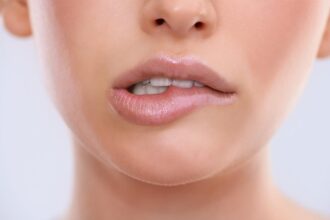
💋 3. Lip Biting, Lip Licking, or Chewing
When anxious, people touch their mouth area because it has high nerve sensitivity.
It creates a mild soothing response (self-soothing).
If you’re curious about mouth-related stress behaviors, you may also like:
👉 Why Do People Bite Their Lips When Anxious?
👁 4. Avoiding Eye Contact
Not making eye contact isn’t always shyness — sometimes it’s stress from:
- fear of judgment
- social overload
- mental fatigue
It allows the mind to process information without pressure.
🧍♂️ 5. Shoulder Tightness and Jaw Clenching
Physical stress often hides in:
- neck
- shoulders
- back
- jaw
Bruxism (jaw clenching during sleep) is also a stress outlet for many people.
📱 6. Endless Phone Scrolling (Doomscrolling)
When overwhelmed, many people scroll social media or news without enjoying it.
This habit creates distraction but increases stress later.
Phone stress habits include:
- repeatedly unlocking phone
- switching apps
- scrolling without purpose
👂 7. Over-Sensitivity to Sounds
Stress makes the nervous system alert, leading to:
- irritation by loud voices
- annoyance at clicking sounds
- discomfort during arguments
Ye habit sensory overload ka indicator hota hai.
🍫 8. Stress Eating or Losing Appetite
Some people eat more when stressed, others lose interest in food.
Both are subtle bodily responses to overload.
😴 9. Difficulty Sleeping or Oversleeping
Stress impacts sleep in two ways:
- active mind = insomnia
- body shutdown = oversleeping
Sleep pattern changes are strong hidden stress signals.
Why Do We Develop These Stress Habits?
Psychologists explain three main reasons:
🧩 1. Self-Soothing Mechanism
Stress habits temporarily:
- calm the mind
- reduce discomfort
- create control
- distract from thoughts
⚙️ 2. Automatic Behavior (Unconscious)
Many stress habits are learned behaviors repeated over time until they become automatic.
🌪 3. Nervous System Overload
During stress, the nervous system enters fight-flight-freeze state, leading to:
- restlessness
- physical tension
- repetitive behaviors
Are These Habits Dangerous?
Mostly no.
These habits are signals, not flaws.
They indicate:
- emotional buildup
- mental saturation
- social anxiety
- decision overload
- burnout risk
Recognizing them is the first step to stress awareness.
Simple Awareness Tips (Non-Medical)
Here are some general awareness-based adjustments:
- take short breaks during work
- reduce information overload
- avoid multitasking
- increase hydration
- try deep breathing during tension
- reduce caffeine before sleep
These tips support daily stress management, not treatment.
For general lifestyle mental health awareness, refer to:
👉 Stress and Coping — Mental Health America
Final Thoughts
Stress rarely announces itself loudly.
It hides in small daily habits — scrolling, fidgeting, avoiding eye contact, or biting lips.
These patterns don’t make you weak — they make you human.
Awareness helps you:
- understand yourself better
- communicate emotions
- reduce overload early
Stress management starts with noticing the signs.
FAQs
What are hidden stress habits?
Small behaviors like fidgeting, lip biting, or scrolling that appear during stress without awareness.
Is fidgeting a stress habit?
Yes, fidgeting is a common tension-release behavior.
Why do I scroll my phone when stressed?
Because distraction lowers emotional discomfort temporarily.
How do I know if I’m stressed?
Look for physical or behavioral signs such as jaw clenching, overthinking, or sleep changes.
Are stress habits harmful?
Occasional stress habits usually aren’t harmful, but they signal mental overload.