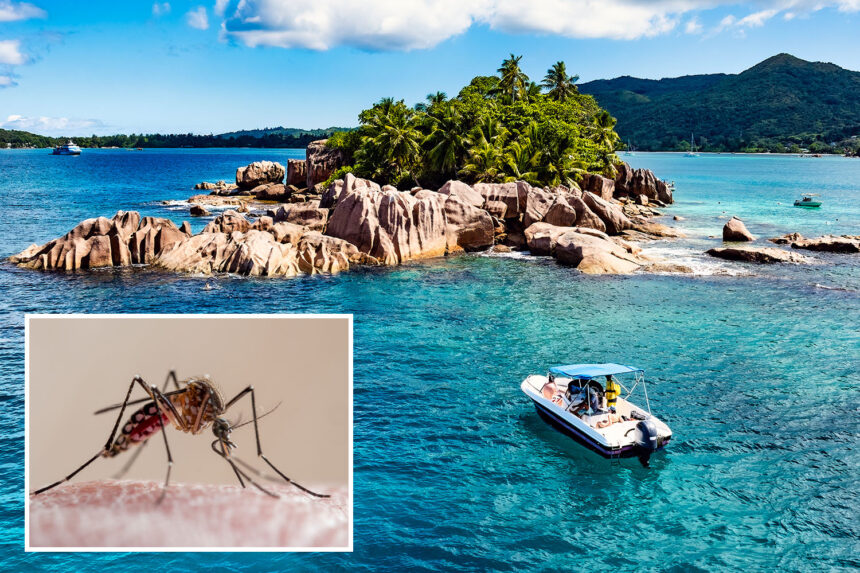
Planning a dream vacation to the Seychelles? The pristine white beaches and turquoise waters of this Indian Ocean paradise are calling—but there’s something critical you need to know before you book that flight. The U.S. Centers for Disease Control and Prevention (CDC) issued a Level 2 Travel Health Notice on February 5, 2026, for the Seychelles due to an active chikungunya virus outbreak. This mosquito-borne illness has been spreading across the 115-island archipelago since late 2025, with cases continuing to rise during the ongoing rainy season.
Does this mean you should cancel your Seychelles vacation? Not necessarily. A Level 2 advisory doesn’t prohibit travel—it means “practice enhanced precautions.” Understanding the risks, symptoms, and prevention strategies can help you make an informed decision about your trip while protecting your health and that of your loved ones.
In this comprehensive guide, you’ll discover everything you need to know about the Seychelles chikungunya outbreak in 2026: current outbreak status, detailed symptom information, who’s most at risk, essential prevention strategies, vaccination requirements, travel insurance considerations, and expert recommendations. Whether you’re honeymooning in Praslin, diving in Mahé, or exploring La Digue, this article will equip you with the knowledge to travel safely and confidently.
Quick Answer Box
What You Need to Know About the Seychelles Mosquito Virus Outbreak:
- Outbreak Status: The chikungunya outbreak gained momentum in mid-December 2025 and continues through the 2026 rainy season (through May)
- CDC Warning Level: Level 2 – Practice Enhanced Precautions (issued February 5, 2026)
- Virus Type: Chikungunya, spread by Aedes mosquitoes (not person-to-person transmission)
- Main Symptoms: Fever and severe joint pain starting 3-7 days after an infected mosquito bite
- Key Prevention: Get the chikungunya vaccine before travel, use mosquito repellent, wear protective clothing
- High-Risk Groups: Pregnant women (especially near delivery), newborns, adults 65+, and people with chronic conditions
- Travel Status: Seychelles remains open to tourists; precautions recommended but travel not prohibited
Table of Contents
- What is the Seychelles Chikungunya Outbreak?
- Understanding Chikungunya Virus: Symptoms and Transmission
- Current Outbreak Status and Affected Areas
- CDC Level 2 Advisory: What It Means for Travelers
- Who is Most at Risk?
- Prevention Strategies: How to Protect Yourself
- Chikungunya Vaccine Information
- Travel Insurance and Medical Care Considerations
- Should You Cancel Your Seychelles Trip?
- What to Do If You Get Sick
- FAQ Section
- Conclusion
What is the Seychelles Chikungunya Outbreak?
The Republic of Seychelles, a stunning archipelago of 115 islands located approximately 800 nautical miles east of mainland Africa in the western Indian Ocean, is currently experiencing a significant outbreak of chikungunya virus. This tropical paradise, known for welcoming over 354,000 international visitors between January and November 2025, has become the latest hotspot for this debilitating mosquito-borne illness.
Timeline of the 2026 Outbreak
The outbreak gained momentum in mid-December 2025 and has continued to escalate during the rainy season in early 2026. The Seychelles Ministry of Health confirmed the circulation of the chikungunya virus and issued advisories urging residents to intensify mosquito control efforts and seek immediate medical attention for symptoms such as fever, joint pain, and rash.
The outbreak’s impact has extended beyond Seychelles’ borders. Between early December 2025 and late January 2026, surveillance networks documented at least nine confirmed and four probable cases among European travelers returning from the islands. Additional imported cases have been reported in Hong Kong, Germany, and other countries, signaling the outbreak’s international reach.
Why Seychelles is Vulnerable
Several factors have created ideal conditions for this chikungunya outbreak:
Tropical Climate: The archipelago’s warm, humid environment provides perfect breeding conditions for Aedes mosquitoes, the primary vectors for chikungunya transmission.
Rainy Season Timing: The outbreak coincides with Seychelles’ rainy season (continuing through May 2026), when standing water accumulates, creating countless mosquito breeding sites.
High Tourist Volume: With hundreds of thousands of international visitors annually, the islands facilitate virus transmission between local populations and travelers, potentially spreading the disease to new geographic regions.
Limited Healthcare Infrastructure: As a small island nation with a population of approximately 100,000, Seychelles faces challenges in managing large-scale disease outbreaks despite generally good healthcare standards.
Regional Context: Indian Ocean Crisis
Seychelles isn’t facing this challenge alone. The Indian Ocean islands, along with parts of Southeast Asia, accounted for a significant portion of global chikungunya cases in 2025, with over 445,000 reported worldwide—a substantial increase from previous years. Neighboring islands including Mayotte, Mauritius, Madagascar, and Comoros have also experienced recent outbreaks, indicating a broader regional health crisis.
Understanding Chikungunya Virus: Symptoms and Transmission
To make informed travel decisions, it’s essential to understand exactly what chikungunya is, how it spreads, and what symptoms to watch for. This knowledge empowers you to recognize warning signs early and seek appropriate medical care.
What is Chikungunya?
Chikungunya disease is caused by the chikungunya virus and is spread to humans through mosquito bites. The name “chikungunya” comes from the Kimakonde language, meaning “to become contorted”—a reference to the hunched-over posture that sufferers adopt due to severe joint pain.
The virus belongs to the Alphavirus genus and has caused outbreaks across multiple continents, including Africa, Asia, Europe, the Americas, the Caribbean, and the Indian and Pacific Oceans. While chikungunya shares similarities with dengue fever (another mosquito-borne illness), it’s a distinct virus with its own characteristic symptom profile.
How Chikungunya Spreads
Transmission Vector: Chikungunya is primarily transmitted by two mosquito species:
- Aedes aegypti (yellow fever mosquito)
- Aedes albopictus (Asian tiger mosquito)
These mosquitoes are day-biters, most active during early morning and late afternoon hours. They thrive in urban and semi-urban environments, breeding in standing water found in containers, flower pots, discarded tires, and even bottle caps.
Important: Chikungunya does NOT spread from person to person through casual contact, coughing, sneezing, or sexual transmission. The only transmission route is through mosquito bites—specifically, when a mosquito bites an infected person and then bites someone else, passing the virus along.
Recognizing Chikungunya Symptoms
Most people infected with chikungunya virus develop some symptoms. Symptoms usually begin 3–7 days after a bite by an infected mosquito.
Primary Symptoms:
Severe Joint Pain: The hallmark symptom of chikungunya is intense, often debilitating joint pain (arthralgia). This typically affects hands, wrists, ankles, and feet, and can make simple movements extremely painful. The joint pain is often symmetrical, affecting both sides of the body equally.
High Fever: Sudden onset of high fever, often reaching 102-104°F (39-40°C), usually appears within the first 2-3 days.
Additional Symptoms Include:
- Severe headache, particularly behind the eyes
- Muscle pain and weakness (myalgia)
- Joint swelling, especially in extremities
- Widespread rash, typically appearing 2-5 days after fever onset
- Fatigue and general malaise
- Nausea and vomiting (less common)
- Conjunctivitis (red, irritated eyes)
Disease Duration and Long-Term Effects
Most people get better within a week; however, some can have severe joint pain for months to years following acute illness. Studies suggest that approximately 40-60% of chikungunya patients experience persistent joint symptoms lasting beyond three months, with some cases continuing for several years.
This chronic phase, known as post-chikungunya rheumatism, can significantly impact quality of life, making it difficult to perform daily activities, work, or enjoy physical activities—particularly problematic for travelers hoping to hike Seychelles’ lush trails or explore its coral reefs.
Severity and Complications
While most chikungunya infections are self-limiting and rarely fatal, certain complications can occur:
Neurological Complications: In rare cases (less than 1%), the virus can cause encephalitis (brain inflammation), meningitis, or Guillain-Barré syndrome.
Cardiovascular Issues: Myocarditis (heart inflammation) has been reported in some patients, particularly those with pre-existing heart conditions.
Hemorrhagic Manifestations: Unusual bleeding, though rare, can occur in severe cases.
Maternal-Fetal Transmission: Mothers infected around the time of delivery can pass the virus to their baby before or during delivery. Newborns infected in this way or by a mosquito bite are at risk for severe illness, including poor long-term outcomes.
Death from chikungunya is rare, with mortality rates estimated at less than 0.1% of cases. However, death rates increase among vulnerable populations including newborns, elderly individuals, and those with underlying health conditions.
Current Outbreak Status and Affected Areas
Understanding the scope and geographic distribution of the Seychelles chikungunya outbreak helps travelers assess their specific risk based on planned destinations and activities within the archipelago.
Outbreak Scale and Case Numbers
While exact case numbers are not publicly available in real-time, surveillance networks documented at least nine confirmed and four probable cases among European travelers between early December 2025 and late January 2026, indicating significant transmission is occurring. The actual number of cases among Seychelles residents is likely considerably higher, as many cases go unreported or are misdiagnosed.
The outbreak’s continuation through February 2026 and into the rainy season (which extends through May) suggests that case numbers are likely increasing rather than declining. Peak transmission typically occurs during and immediately following rainy periods when mosquito populations explode.
Geographic Distribution Within Seychelles
The Seychelles archipelago consists of two main island groups:
Inner Islands (Granitic Seychelles): These include the main tourist destinations:
- Mahé: The largest island, home to the capital Victoria and the international airport. Germany reported two laboratory-confirmed cases in travelers from Mahé in January 2026.
- Praslin: The second-largest island, known for the Vallée de Mai UNESCO World Heritage site
- La Digue: Famous for its stunning Anse Source d’Argent beach. Confirmed cases were linked to visitors of La Digue islands.
- Silhouette, Curieuse, and other smaller islands
Outer Islands (Coralline Seychelles): Remote atolls and coral islands with minimal tourist infrastructure
Currently, confirmed cases have been associated with visitors to multiple islands, suggesting widespread transmission across the main tourist areas rather than being isolated to specific locations. This means travelers to any part of Seychelles should consider themselves at risk of exposure.
Imported Cases: International Spread
The outbreak has already resulted in exported cases to multiple countries:
Hong Kong: Hong Kong confirmed two imported cases among individuals who visited Seychelles in late January, both of whom experienced symptoms shortly after returning.
Germany: Germany reported two laboratory-confirmed cases in travelers from the Mahé and La Digue islands in January 2026.
European Countries: Multiple European nations have reported confirmed and probable cases among returning travelers, though specific country breakdowns are not fully disclosed.
These imported cases demonstrate that the virus is actively circulating in tourist areas and that travelers are indeed contracting the disease during their Seychelles visits.
Comparison to Other Regional Outbreaks
Mayotte and Mauritius experienced surges, with Mauritius reporting cases that led to imported infections among travelers returning from countries such as South Africa. Madagascar and Comoros also reported outbreaks, contributing to a broader regional crisis.
The World Health Organization noted that the Indian Ocean islands, along with parts of Southeast Asia, accounted for a significant portion of global chikungunya cases in 2025, with over 445,000 reported worldwide—a substantial increase from previous years. This 2025 surge represents one of the most significant chikungunya outbreak years on record, with 2026 continuing this alarming trend.
Outbreak Duration Projections
Based on historical outbreak patterns and current epidemiological data, several factors will influence how long the Seychelles outbreak persists:
Rainy Season: With the rainy season continuing through May 2026, ideal mosquito breeding conditions will persist for at least 2-3 more months, likely sustaining high transmission rates.
Vector Control Efforts: The effectiveness of Seychelles’ mosquito control measures will significantly impact outbreak duration. These efforts include larviciding, fogging, and public education campaigns.
Population Immunity: As more people become infected and develop immunity, transmission rates should eventually decline. However, with continuous arrival of immunologically naive tourists, this process may be slower than in isolated populations.
Seasonal Patterns: Historically, chikungunya outbreaks in tropical regions can persist for 6-12 months or longer, suggesting the Seychelles outbreak might continue well into late 2026.
CDC Level 2 Advisory: What It Means for Travelers
On February 5, 2026, the CDC issued a Level 2 Travel Health Notice for Seychelles, but what does this actually mean for your travel plans? Understanding the CDC’s travel health notice system helps you accurately assess risk and make appropriate decisions.
CDC Travel Health Notice Levels Explained
The CDC uses a four-level system to communicate health risks:
Level 1 – Practice Usual Precautions: Low-level health concerns; standard travel precautions sufficient
Level 2 – Practice Enhanced Precautions: Moderate health risk requiring extra preventive measures but not prohibiting travel (THIS IS SEYCHELLES’ CURRENT STATUS)
Level 3 – Reconsider Nonessential Travel: High health risk; only essential travel recommended
Level 4 – Avoid All Travel: Severe health risk; all travel should be avoided
What Level 2 Means for Your Trip
A Level 2 advisory for Seychelles indicates:
Travel is NOT Prohibited: You can absolutely still visit Seychelles. The CDC is not recommending travel cancellations for the general population.
Enhanced Precautions Required: You must take additional preventive measures beyond standard travel preparation, including vaccination, mosquito protection, and health monitoring.
Increased but Manageable Risk: The outbreak presents a real health risk, but with proper precautions, travelers can significantly reduce their likelihood of infection.
Insurance Considerations: Some travel insurance policies may offer cancellation coverage for Level 2 advisories, though this varies by policy (see Travel Insurance section below).
CDC’s Specific Recommendations
The CDC recommends that travelers protect themselves by preventing mosquito bites, which includes using insect repellent, wearing long-sleeved shirts and pants, and staying in places with air conditioning or that have screens on the windows and doors.
Additionally, vaccination is recommended for travelers who are visiting an area with a chikungunya outbreak.
Special Advisory for Pregnant Women
If you are pregnant, reconsider travel to the affected areas, particularly if you are close to delivering your baby. This is one of the strongest warnings in the CDC advisory.
The reason: Mothers infected around the time of delivery can pass the virus to their baby before or during delivery. Newborns infected in this way or by a mosquito bite are at risk for severe illness, including poor long-term outcomes.
In general, vaccination against chikungunya should be deferred until after delivery. However, when the risk of infection is high and exposure cannot be avoided, pregnant travelers should discuss with their healthcare provider the potential risks (to themselves and their babies) of chikungunya virus infection and the potential benefits and risks of vaccination so that vaccination can be considered.
Monitoring and Updates
The CDC continuously monitors outbreak situations and updates travel health notices accordingly. The CDC said it prioritizes outbreak notices that could affect U.S. travelers based on laboratory-confirmed cases, timing relative to mosquito season, increases among U.S. travelers, geographic extent and travel volume, indicating that updates may follow as new data emerge.
Travelers should check the CDC’s Travel Health Notices website (wwwnc.cdc.gov/travel/notices) regularly before departure and monitor local news during their stay for any changes to the advisory level or additional guidance.
Who is Most at Risk?
While chikungunya can affect anyone bitten by an infected mosquito, certain populations face significantly higher risks of severe disease, complications, or long-term health consequences. Understanding whether you fall into a high-risk category is crucial for making informed travel decisions.
High-Risk Populations
People at risk for more severe disease include newborns infected around the time of birth, older adults (65 years or older), and people with medical conditions such as diabetes or heart disease.
Pregnant Women and Newborns
Pregnant women, especially those in their third trimester or close to delivery, face unique risks:
- Vertical Transmission: Infection near the time of delivery carries a 50% risk of transmitting the virus to the newborn
- Neonatal Complications: Infected newborns can develop severe symptoms including encephalopathy, hemorrhagic manifestations, myocarditis, and long-term neurological impairment
- Maternal Complications: While chikungunya doesn’t typically cause miscarriage or birth defects when infection occurs earlier in pregnancy, the severe joint pain and fever can complicate pregnancy management
CDC Recommendation: Pregnant women should reconsider travel to Seychelles, particularly in the third trimester.
Older Adults (65+ Years)
Elderly travelers face increased risks:
- Severe Joint Pain: Older adults are more likely to experience prolonged, debilitating joint symptoms lasting months or years
- Complications: Higher rates of cardiovascular and neurological complications
- Slower Recovery: Immune system changes with age can prolong illness duration
- Functional Impact: Joint pain may significantly impair mobility and independence in older adults
People with Chronic Medical Conditions
Individuals with pre-existing health conditions face elevated risks:
Cardiovascular Disease: Heart conditions increase risk of myocarditis and cardiac complications
Diabetes: Diabetics may experience more severe symptoms and slower recovery; blood sugar control may become challenging during acute illness
Hypertension: High blood pressure can complicate disease management
Rheumatoid Arthritis or Other Joint Diseases: Pre-existing joint conditions may be exacerbated and are more likely to become chronic
Immunocompromised Individuals: Those with weakened immune systems (HIV/AIDS, cancer patients undergoing chemotherapy, organ transplant recipients taking immunosuppressants) may experience more severe or prolonged illness
Lower Risk But Still Vulnerable
Young, Healthy Adults: While generally experiencing milder illness and faster recovery, young healthy adults are not immune to severe symptoms or chronic joint pain. Many athletes and physically active individuals have reported long-term impairment following infection.
Children and Adolescents: Children typically experience milder symptoms than adults, with shorter duration of fever and joint pain. However, they’re still susceptible to infection and can develop complications.
Occupational Risk Factors
Certain travel activities increase exposure risk:
- Outdoor Adventure Tourism: Hiking, birdwatching, camping, and other outdoor activities during dawn and dusk (peak mosquito feeding times)
- Beach Activities: While beach areas with strong winds have fewer mosquitoes, beachfront accommodations near vegetation can have high mosquito populations
- Photography and Nature Tours: Activities requiring early morning or late afternoon outdoor exposure
- Eco-tourism: Visiting inland forests, mangroves, or wetlands where mosquitoes breed
Risk Assessment Tool
Ask yourself these questions to assess your personal risk:
- Do I fall into any high-risk category (pregnant, 65+, chronic conditions)?
- Will my Seychelles activities involve significant outdoor time during dawn/dusk?
- Is my accommodation properly screened with air conditioning?
- Can I strictly adhere to mosquito bite prevention measures?
- Am I willing and able to get the chikungunya vaccine before travel?
- Do I have adequate travel health insurance covering medical evacuation?
If you answered “yes” to question 1 and “no” to questions 3-6, seriously reconsider your Seychelles travel plans or postpone until the outbreak subsides.
Prevention Strategies: How to Protect Yourself
The most effective way to prevent chikungunya infection is to avoid mosquito bites entirely. While this is challenging in a tropical environment, implementing multiple protective layers significantly reduces your risk. Here’s your comprehensive prevention strategy.
Layer 1: Mosquito Repellent (Your Primary Defense)
Recommended Repellents:
DEET (N,N-Diethyl-meta-toluamide): The gold standard for mosquito protection
- Concentration: Use products with 20-30% DEET for adult travelers
- Duration: 20% DEET provides approximately 4-5 hours of protection
- Application: Apply to all exposed skin; reapply according to product directions
- Safety: Safe for pregnant women and children over 2 months when used as directed
Picaridin (KBR 3023): An effective DEET alternative
- Concentration: 10-20% provides 3-8 hours of protection
- Benefits: Less greasy feel than DEET, doesn’t damage plastics or synthetic fabrics
- Efficacy: Comparable to DEET at similar concentrations
Oil of Lemon Eucalyptus (PMD): Natural option with proven efficacy
- Concentration: Products containing 30% oil of lemon eucalyptus
- Duration: Approximately 6 hours of protection
- Note: Not recommended for children under 3 years
Application Tips:
- Apply sunscreen first, let it absorb for 15 minutes, then apply repellent
- Reapply after swimming or heavy sweating
- Don’t apply to cuts, wounds, or irritated skin
- Wash off repellent when returning indoors for extended periods
Layer 2: Protective Clothing
What to Wear:
Long-Sleeved Shirts and Long Pants: The CDC recommends wearing long-sleeved shirts and pants, even in hot weather
- Choose lightweight, breathable fabrics designed for tropical climates
- Light-colored clothing makes it easier to spot mosquitoes
- Consider moisture-wicking fabrics to stay comfortable
Permethrin-Treated Clothing: Maximize protection with treated fabrics
- Permethrin is an insecticide that kills or repels mosquitoes on contact
- Pre-treated clothing available or treat your own (lasts 6 weeks or 6 washes)
- Apply to clothing, shoes, bed nets, and camping gear—never directly to skin
- Especially recommended for outdoor adventure activities
Closed-Toe Shoes and Socks: Feet and ankles are common mosquito targets
- Wear socks whenever possible, even with sandals if practical
- Consider treating socks with permethrin
Head Protection:
- Wide-brimmed hats protect your head, neck, and ears
- Consider safari-style hats with neck flaps for beach activities
Peak Mosquito Times: Aedes mosquitoes are day-biters, most active during:
- Early morning (dawn to 9:00 AM)
- Late afternoon to early evening (4:00 PM to dusk)
Plan indoor activities during these high-risk periods when possible.
Layer 3: Accommodation Selection and Management
Choose the Right Accommodation:
The CDC recommends staying in places with air conditioning or that have screens on the windows and doors.
Air-Conditioned Rooms: Top priority for protection
- Mosquitoes are less active in cool, dry environments
- AC allows you to keep doors and windows closed
- Most upscale resorts and hotels offer air conditioning
Screened Windows and Doors: Essential if AC isn’t available
- Inspect screens for tears or gaps before unpacking
- Request room changes if screens are damaged
- Keep doors and windows closed or properly screened at all times
Mosquito Nets:
- If staying in budget accommodations without AC or screens, use a bed net
- Treated bed nets (with permethrin) provide maximum protection
- Ensure the net is tucked under the mattress with no gaps
- Check for tears before each use
Room Preparation:
- Inspect your room upon arrival for standing water (flower vases, bathroom puddles)
- Use indoor insect spray or plug-in mosquito repellent devices
- Keep outdoor lights off when doors are open (attracts mosquitoes)
Layer 4: Environmental Awareness
Avoid High-Risk Areas:
- Areas with standing water (ponds, containers, drainage ditches)
- Dense vegetation, especially near water sources
- Shaded areas under heavy tree cover during peak mosquito hours
Outdoor Activity Planning:
- Schedule hiking, excursions, and outdoor activities for mid-morning or early afternoon when mosquito activity is lower
- If dawn/dusk activities are unavoidable (sunrise photography, sunset cruises), maximize all other protective measures
Beach Considerations:
- Beaches with strong ocean breezes have fewer mosquitoes
- Risk increases at beach edges near vegetation or freshwater
- Apply repellent before beach arrival, including to feet and ankles
Layer 5: Additional Protective Measures
Spatial Repellents:
- Thermacell devices create a 15-foot mosquito-free zone
- Useful for outdoor dining, beach lounging, or photography
- Battery or butane-powered options available
Insect Coils and Candles:
- Citronella and other repellent coils provide area protection
- Most effective in still-air conditions
- Use multiple coils to create overlapping protection zones
Fans:
- Mosquitoes are weak fliers; fans make it difficult for them to land
- Portable battery-powered fans useful for outdoor activities
- Position fans to blow across exposed skin
Vehicle Protection:
- Keep vehicle windows closed or only slightly cracked while driving
- Use AC instead of open windows when possible
- Spray vehicle interior with insect repellent before long drives
Special Considerations for Families with Children
Infants Under 2 Months:
- Cannot use DEET or most chemical repellents
- Dress in protective clothing covering all skin
- Use mosquito netting over strollers, car seats, and carriers
- Limit outdoor exposure during peak mosquito times
Children 2 Months to 3 Years:
- Can use DEET up to 30% concentration (apply to adult hands first, then rub on child)
- Dress in long sleeves and pants
- Reapply repellent more frequently due to higher skin absorption
- Ensure child doesn’t put repellent-treated hands in mouth
Older Children:
- Teach them to recognize mosquitoes and report bites immediately
- Supervise repellent application
- Make protection fun (colorful protective clothing, special “mosquito-fighting” hats)
Prevention Effectiveness
When implemented correctly, these layered prevention strategies can reduce your mosquito bite risk by 90-95%. However, no prevention method is 100% effective, which is why vaccination (discussed next) provides an additional critical layer of protection.
Chikungunya Vaccine Information
The availability of a chikungunya vaccine represents a game-changing development for travelers to outbreak areas. Understanding vaccine details, access, timing, and effectiveness helps you make informed decisions about immunization before your Seychelles trip.
The Chikungunya Vaccine: IXCHIQ
FDA Approval: The U.S. Food and Drug Administration approved IXCHIQ (chikungunya vaccine, live) in November 2023, making it the first and only licensed chikungunya vaccine available.
Manufacturer: Developed by Valneva Austria GmbH
Vaccine Type: Live-attenuated vaccine (contains a weakened form of the virus that cannot cause disease but stimulates immune response)
Administration: Single-dose injection given intramuscularly (typically in the upper arm)
Who Should Get Vaccinated?
CDC Recommendations:
Vaccination is recommended for travelers who are visiting an area with a chikungunya outbreak.
Ideal Candidates:
- Adults 18 years and older traveling to Seychelles or other outbreak areas
- Anyone planning extended stays (multiple weeks or months)
- Travelers engaging in high-risk outdoor activities
- People with occupational exposure (research scientists, healthcare workers, military personnel)
- Those unable to strictly adhere to mosquito bite prevention measures
Who Should NOT Get Vaccinated:
Pregnancy: In general, vaccination against chikungunya should be deferred until after delivery. The live-attenuated vaccine poses theoretical risks to the developing fetus.
However, when the risk of infection is high and exposure cannot be avoided, pregnant travelers should discuss with their healthcare provider the potential risks (to themselves and their babies) of chikungunya virus infection and the potential benefits and risks of vaccination.
Immunocompromised Individuals: Those with weakened immune systems should consult their healthcare provider, as live vaccines may not be appropriate.
Severe Allergies: Anyone with a history of severe allergic reaction to vaccine components should not receive IXCHIQ.
Children Under 18: The vaccine is not currently approved for pediatric use.
Vaccine Effectiveness and Duration
Protection Rate: Clinical trials demonstrated approximately 95-99% seroconversion (development of protective antibodies) after a single dose.
Onset of Protection: Full immunity develops approximately 28 days after vaccination. For optimal protection, get vaccinated at least 4 weeks before travel.
Duration of Protection: Long-term studies are ongoing, but current data suggests protection lasts at least 6-12 months, possibly longer. Duration requirements for booster doses have not been fully established.
Protection Against Variants: The vaccine has demonstrated effectiveness against multiple chikungunya virus strains circulating globally.
Possible Side Effects
Common Side Effects (Mild):
- Injection site pain, redness, or swelling (approximately 50% of recipients)
- Fatigue (approximately 40%)
- Headache (approximately 40%)
- Muscle pain (approximately 30%)
- Joint pain (approximately 25%)
- Nausea (approximately 20%)
- Fever (approximately 10%)
Most side effects are mild to moderate, appearing within 1-2 days after vaccination and resolving within 3-7 days.
Important Consideration: Because IXCHIQ is a live-attenuated vaccine, some recipients may experience mild chikungunya-like symptoms (joint pain, fever) that are typically less severe and shorter in duration than actual infection. This occurs in approximately 2-5% of vaccine recipients.
Serious Side Effects (Rare):
- Severe allergic reactions (anaphylaxis) – extremely rare
- Prolonged joint symptoms – occasionally reported but significantly less common and less severe than actual infection
Where to Get Vaccinated
Travel Health Clinics:
- Specialized travel medicine clinics stock chikungunya vaccine
- Find clinics through the CDC’s Yellow Fever Vaccination Clinic search tool (many also offer chikungunya vaccination)
- International Society of Travel Medicine (ISTM) clinic locator
Healthcare Providers:
- Some primary care physicians, particularly those specializing in travel medicine
- Many pharmacies are beginning to stock and administer travel vaccines
Timing Considerations:
- Call ahead to verify vaccine availability (supply may be limited in some areas)
- Book appointments at least 4-6 weeks before travel to allow for immunity development
- Some clinics require consultations before vaccination
Cost Considerations:
Insurance Coverage: Vaccine coverage varies by insurance plan
- Some private health insurance plans cover travel vaccines
- Medicare Part D may cover vaccines for travel to outbreak areas
- Many plans do not cover vaccines for tourism purposes
Out-of-Pocket Costs: Without insurance, expect to pay approximately $250-350 for:
- Vaccine itself
- Administration fee
- Travel health consultation (if required)
Contact your insurance provider before scheduling to understand coverage.
Vaccination and Travel Insurance
Some travel insurance policies offer cancellation coverage if recommended vaccines become unavailable before your trip. Review your policy details carefully.
Alternative Strategies if Vaccine is Unavailable
If you cannot access the chikungunya vaccine before travel:
Maximize Prevention Layers: Implement all mosquito bite prevention strategies with exceptional rigor Consider Travel Timing: If possible, delay travel until after the rainy season ends (post-May 2026) when mosquito populations decline Trip Duration: Consider shorter trips to minimize exposure time Accommodation Upgrades: Invest in higher-quality accommodations with better mosquito protection systems
Travel Insurance and Medical Care Considerations
Adequate insurance coverage and understanding healthcare options in Seychelles are essential components of responsible travel planning during this outbreak.
Travel Insurance Coverage
What to Look for in Policies:
Medical Coverage:
- Minimum $100,000 medical expense coverage (higher for older adults or those with chronic conditions)
- Coverage for chikungunya diagnosis and treatment
- Hospital stays and outpatient care
- Laboratory testing and diagnostic imaging
Emergency Medical Evacuation:
- CRITICAL: Minimum $250,000 evacuation coverage
- Seychelles has limited advanced medical facilities
- Severe cases may require evacuation to Mauritius, South Africa, or repatriation to home country
- Medical evacuation from remote islands can cost $50,000-150,000+
Trip Cancellation and Interruption:
- Some policies cover cancellation if CDC issues Level 2 or higher advisory
- “Cancel for Any Reason” (CFAR) riders provide broader protection but must be purchased within 10-21 days of initial trip deposit
- Read fine print carefully regarding disease outbreak exclusions
Pre-Existing Condition Waivers:
- Essential if you have chronic health conditions
- Must be purchased within specified timeframe of initial trip payment (usually 10-21 days)
- Waives exclusions for pre-existing medical conditions
Recommended Insurance Providers:
- World Nomads (comprehensive coverage for adventure activities)
- Allianz Global Assistance
- Travel Guard
- IMG (International Medical Group)
- GeoBlue (excellent international coverage)
Healthcare System in Seychelles
Public Healthcare:
- Seychelles has a public healthcare system providing services to residents
- Tourists can access public facilities but may face limitations
Main Healthcare Facilities:
Seychelles Hospital (Victoria, Mahé):
- Main referral hospital with emergency services
- Limited capacity for complex cases
- Basic laboratory and diagnostic capabilities
Praslin Hospital (Baie Ste Anne, Praslin):
- Smaller facility serving Praslin island
- Basic medical services and emergency care
La Digue Health Center:
- Basic primary care services only
Private Clinics:
- Several private clinics on Mahé offer higher-end services
- Preferred by many tourists for quality and wait times
- Require payment upfront (cash or credit card)
Chikungunya Treatment in Seychelles
There is no specific treatment for chikungunya. Medical care focuses on symptom management:
Available Treatments:
- Fever reducers (acetaminophen/paracetamol)
- Pain relievers for joint pain
- Anti-inflammatory medications (NSAIDs like ibuprofen)
- Hydration support (IV fluids if needed)
- Rest and supportive care
Important: Avoid aspirin and other salicylates until dengue fever is ruled out, as these can increase bleeding risk in dengue patients.
Cost of Treatment:
- Outpatient consultation: $50-150 USD
- Laboratory testing (blood work): $100-300 USD
- Medications: $50-200 USD depending on prescriptions
- Hospitalization (if required): $500-2,000+ per day
Medical Evacuation Scenarios
Consider evacuation to advanced medical facilities if you experience:
- Severe dehydration requiring extended IV therapy
- Neurological complications (confusion, severe headache, seizures)
- Cardiovascular complications (chest pain, irregular heartbeat)
- Pregnancy-related complications
- Inability to manage severe joint pain with available resources
Evacuation Destinations:
- Mauritius (closest, approximately 2-hour flight)
- South Africa (Cape Town or Johannesburg for advanced care)
- Home country (for serious complications or chronic management)
Preparing for Medical Needs
Before Travel:
- Photocopy insurance card and policy information
- Save insurance company’s 24/7 emergency phone number in your phone
- Download insurance app if available
- Research hospital locations on your destination islands
- Verify your policy covers chikungunya specifically (some exclude epidemic diseases)
Medication Packing:
- Bring adequate supply of any prescription medications plus extra
- Pack over-the-counter fever reducers and pain relievers
- Include anti-inflammatory medications (ibuprofen)
- Thermometer for monitoring fever
- Oral rehydration salts for maintaining hydration
Documentation:
- Bring copies of medical records if you have chronic conditions
- Vaccination records (including chikungunya vaccine certificate if received)
- Prescription documentation for all medications
- Doctor’s letter explaining medical conditions and medications (helpful for customs)
If You Need Medical Care in Seychelles
Steps to Take:
- Contact Your Insurance Company First: Many require pre-authorization for coverage
- Call Insurance Emergency Line: Available 24/7, they can direct you to appropriate facilities
- Seek Care Promptly: Don’t delay if symptoms develop
- Keep All Documentation: Receipts, medical reports, prescriptions for insurance claims
- Request English Documentation: If reports are in French/Creole, request English translations
Payment Expectations:
- Most facilities require payment at time of service
- Credit cards widely accepted at private facilities
- Keep receipts for insurance reimbursement
- Some insurance companies offer direct billing arrangements with select facilities
Should You Cancel Your Seychelles Trip?
This is the question weighing on the minds of thousands of travelers with upcoming Seychelles bookings. The answer isn’t one-size-fits-all—it depends on your individual circumstances, risk tolerance, and ability to implement protective measures.
Reasons to Seriously Consider Canceling or Postponing
You’re in a High-Risk Category:
- Pregnant (especially third trimester)
- Age 65 or older with mobility concerns
- Chronic medical conditions (diabetes, heart disease, autoimmune disorders)
- Immunocompromised status
- Inability to tolerate medications for symptom management
You Cannot Get Vaccinated:
- Vaccine unavailable in your area before departure
- Medical contraindications to vaccination
- Insufficient time before travel (need 4 weeks for immunity)
Your Trip Activities are High-Risk:
- Extensive outdoor adventure tourism (multi-day hiking, camping)
- Photography tours requiring dawn/dusk outdoor time
- Budget accommodations without air conditioning or proper screening
- Remote outer island destinations with limited medical access
Financial or Practical Concerns:
- Cannot afford comprehensive travel insurance with medical evacuation
- Work or life circumstances cannot accommodate potential illness or extended recovery
- Concerned about bringing infection back to vulnerable family members
Reasons You Might Reasonably Continue with Travel
You Can Implement Maximum Protection:
- Able to receive chikungunya vaccine before travel
- Booking accommodations with air conditioning and proper mosquito protection
- Willing and able to consistently use repellents and protective clothing
- Have comprehensive travel insurance including medical evacuation
- Comfortable with the residual risk after precautions
You’re Not in a High-Risk Category:
- Healthy adult under 65 without chronic conditions
- Not pregnant or planning pregnancy soon after travel
- Strong immune system and no underlying health issues
Your Trip is Flexible or Brief:
- Short visit (3-5 days) with mostly indoor activities
- Flexible travel dates allowing postponement if conditions worsen
- Able to adjust activities based on mosquito risk levels
You’ve Assessed the Trade-Offs:
- Understand the risks and accept them
- Have contingency plans for potential illness
- Peace of mind that you’ve taken all reasonable precautions
Financial Considerations
Understanding Cancellation Policies:
Hotel/Resort Bookings:
- Review cancellation deadlines and penalties
- Some properties offer flexible cancellation due to outbreak
- Contact properties directly to discuss options
Flights:
- Most airlines maintain strict cancellation/change policies
- Travel insurance with CFAR coverage may reimburse non-refundable flights
- Some credit cards offer trip cancellation protection
Tour Operators and Activities:
- Policies vary widely
- Some may offer credit toward future travel
- Document any communication regarding health concerns
When to Contact Travel Providers:
- As soon as you decide to cancel
- Explain the CDC advisory as reason
- Request documentation of cancellation reason for insurance claims
- Be persistent but polite in requesting waivers or flexibility
Alternative Travel Destinations
If you decide to postpone or cancel Seychelles, consider these alternatives that offer similar experiences without current health advisories:
Caribbean Options:
- Turks and Caicos (pristine beaches, excellent diving)
- Anguilla (luxury resorts, beautiful beaches)
- British Virgin Islands (island hopping, sailing)
Other Indian Ocean Destinations:
- Maldives (currently no chikungunya outbreak, similar luxury experience)
- Zanzibar, Tanzania (check current advisories)
- Andaman Islands, India (check current advisories)
Mediterranean Alternatives:
- Greek Islands (Santorini, Mykonos for romance)
- Malta (history, beaches, warm weather)
- Croatian Coast (stunning scenery, cultural experiences)
Postponement Strategy
Rather than outright cancellation, consider postponing:
Optimal Timing:
- Wait until after rainy season ends (post-May 2026)
- Monitor CDC advisories for downgrade to Level 1
- September-November typically offers lower mosquito populations
- June-August is cooler and drier
Booking Future Travel:
- Look for flexible booking options
- Consider booking through operators with free cancellation
- Purchase trip insurance immediately (within 10-21 days of initial deposit)
Making Your Decision
Use this framework to decide:
Step 1: Assess your personal risk factors (age, health, pregnancy status)
Step 2: Evaluate trip specifics (accommodations, activities, duration)
Step 3: Determine available protections (vaccine access, insurance coverage)
Step 4: Calculate financial impact (non-refundable costs, insurance coverage)
Step 5: Gauge your comfort level (can you enjoy the trip while worried about illness?)
Step 6: Make informed decision and create action plan
Remember: There’s no wrong answer. Some travelers will reasonably decide to go with full precautions; others will reasonably decide to postpone. The key is making an informed choice aligned with your specific circumstances.
What to Do If You Get Sick
Despite taking all precautions, breakthrough infections can occur. Knowing how to recognize symptoms early and seek appropriate care can significantly impact your experience and recovery.
Recognizing Symptoms While in Seychelles
Symptoms of chikungunya usually begin 3–7 days after a bite by an infected mosquito. Monitor yourself daily for:
Red Flags Requiring Immediate Medical Attention:
- Sudden high fever (103°F/39.4°C or higher)
- Severe joint pain, especially if symmetric (both wrists, both ankles)
- Inability to walk or perform basic movements due to joint pain
- Severe headache with neck stiffness
- Confusion or altered mental status
- Chest pain or difficulty breathing
- Seizures
- Unusual bleeding or bruising
- Severe abdominal pain
When to Seek Medical Care (Non-Emergency):
- Fever above 100.4°F/38°C lasting more than 24 hours
- Joint pain interfering with activities
- Persistent headache
- Rash development
- Prolonged fatigue
- Vomiting or diarrhea preventing adequate hydration
Immediate Actions If You Suspect Chikungunya
Step 1: Contact Your Travel Insurance Emergency Line
- Available 24/7 on your insurance card
- They’ll direct you to appropriate medical facilities
- May arrange direct billing with facilities
- Can coordinate medical evacuation if needed
Step 2: Seek Medical Evaluation
- Go to emergency room for severe symptoms
- Visit urgent care or clinic for moderate symptoms
- Don’t delay hoping symptoms resolve on their own
Step 3: Diagnostic Testing
- Blood tests can confirm chikungunya diagnosis
- Tests also rule out dengue fever and malaria
- Early diagnosis helps with appropriate management
Step 4: Inform Your Healthcare Team
- Disclose all medical conditions and medications
- Mention if you received chikungunya vaccine
- Provide emergency contact information
- Request English documentation if available
Treatment and Self-Care
Medical Treatment:
There is no specific treatment for chikungunya. Care focuses on:
- Fever management (acetaminophen/paracetamol)
- Pain control (NSAIDs like ibuprofen after dengue is ruled out)
- Hydration (oral or IV fluids)
- Rest
Self-Care Measures:
- Rest as much as possible
- Drink plenty of fluids (water, coconut water, oral rehydration solutions)
- Take fever reducers as directed
- Apply cool compresses for joint pain and fever
- Gentle movement may help joint stiffness (don’t push through severe pain)
- Stay in mosquito-protected areas to avoid spreading virus to others
Avoid:
- Aspirin and other salicylates (until dengue is ruled out)
- Alcohol (interferes with hydration and liver function)
- Strenuous activity while symptomatic
Managing Travel Plans When Sick
Hotel/Accommodation:
- Notify hotel staff of illness (they may offer assistance)
- Request room service to minimize movement
- Ensure room has good mosquito protection (don’t spread virus to others)
- Ask for extra mosquito repellent if needed
Flight Modifications:
- You may need to change return flights if too ill to travel
- Airlines require medical clearance for very ill passengers
- Insurance may cover change fees if medically necessary
- Get doctor’s note documenting need for flight change
Activity Cancellations:
- Cancel planned excursions and activities
- Request refunds with medical documentation
- Prioritize recovery over sightseeing
Deciding Whether to Stay or Evacuate
Reasons to Consider Medical Evacuation:
- Symptoms not improving after 3-5 days of care
- Development of complications (neurological, cardiovascular)
- Inability to manage symptoms with available resources
- Pregnancy with chikungunya infection
- Underlying conditions complicating illness
- Inadequate medical facilities for your needs
Evacuation Process:
- Contact travel insurance immediately
- They’ll arrange medical flight or commercial flight with medical escort
- Coordinate with receiving facility in destination country
- Ensure all medical documentation travels with you
Staying in Seychelles for Treatment:
- Appropriate for uncomplicated cases
- Hotels can accommodate guests in recovery
- May require extended stay beyond planned dates
- Ensure adequate travel insurance coverage for extended trip
Returning Home While Sick or Recovering
Fitness to Fly:
- Most airlines require you can sit upright and care for yourself
- Severe joint pain may make long flights unbearable
- Consider upgrading to premium economy or business class for more comfort
- Request wheelchair assistance if mobility is impaired
During Flight:
- Continue taking fever reducers and pain medications
- Wear compression socks to reduce swelling (especially with joint inflammation)
- Move carefully to avoid injury from joint instability
- Stay well-hydrated (ask flight attendants for extra water)
Preventing Transmission:
- While infectious period is typically 3-7 days after symptom onset, use mosquito repellent after return home
- This prevents local mosquitoes from potentially establishing transmission in your area
Follow-Up Care After Returning Home
Immediate Follow-Up (Within 1-2 Days):
- See your primary care doctor or travel medicine specialist
- Bring all medical documentation from Seychelles
- Discuss laboratory results and treatment plan
- Monitor for developing complications
Managing Persistent Symptoms:
- Joint pain may persist weeks to months
- Physical therapy can help maintain mobility and strength
- Anti-inflammatory medications for chronic pain
- Some patients benefit from rheumatology consultation for persistent symptoms
Reporting Your Illness:
- Report travel-associated illnesses to CDC (helps track outbreaks)
- Inform local health department (required in some jurisdictions)
- Provide information to travel clinic where you received vaccine (if applicable)
Frequently Asked Questions
Q: Is Seychelles safe to visit right now in 2026?
A: Seychelles is open to tourists and the CDC has issued a Level 2 advisory (Practice Enhanced Precautions) rather than advising against travel. With proper precautions—vaccination, mosquito protection, and appropriate accommodations—many travelers can visit safely. However, high-risk individuals (pregnant women, adults 65+, those with chronic conditions) should carefully consider whether to postpone their trips.
Q: How many chikungunya cases are currently in Seychelles?
A: Exact case numbers aren’t publicly disclosed, but surveillance networks documented at least nine confirmed and four probable cases among European travelers between early December 2025 and late January 2026. The actual number of local cases is likely significantly higher. The outbreak is ongoing and cases are expected to increase through the rainy season ending in May 2026.
Q: Can I get the chikungunya vaccine before traveling to Seychelles?
A: Yes. The IXCHIQ chikungunya vaccine received FDA approval in November 2023 and is available at travel health clinics throughout the U.S. and many other countries. Contact travel medicine clinics at least 4-6 weeks before departure to schedule vaccination, as full immunity develops approximately 28 days after receiving the single-dose injection.
Q: Does travel insurance cover chikungunya-related trip cancellations?
A: Coverage varies by policy. Some travel insurance plans cover cancellations when the CDC issues a Level 2 or higher advisory for your destination. “Cancel for Any Reason” (CFAR) riders provide the broadest protection but must be purchased within 10-21 days of initial trip deposit and typically reimburse 50-75% of non-refundable costs. Review your policy details carefully and contact your provider to clarify coverage.
Q: What are the chances of getting chikungunya in Seychelles?
A: Precise infection risk is difficult to quantify and depends on multiple factors including season, activities, accommodation quality, and prevention measures. During active outbreaks in tropical locations, unprotected travelers may face infection risks of 1-10% depending on duration of stay and exposure. Proper vaccination and mosquito bite prevention dramatically reduce this risk to well under 1%.
Q: How long does chikungunya illness last?
A: Most people get better within a week. However, some can have severe joint pain for months to years following acute illness. Approximately 40-60% of patients experience some degree of persistent joint symptoms beyond three months, with a smaller percentage (10-20%) experiencing symptoms lasting over a year.
Q: Can chikungunya be fatal?
A: Death from chikungunya is rare, with mortality rates under 0.1% of cases. Fatalities primarily occur among newborns, elderly patients, and individuals with serious underlying health conditions who develop complications. The disease is serious but rarely life-threatening for healthy adults.
Q: Is there a treatment or cure for chikungunya?
A: There is no specific treatment for chikungunya. Medical care focuses on symptom management through fever reducers, pain medications, anti-inflammatory drugs, hydration, and rest. Most patients recover with supportive care, though recovery time varies. Research into antiviral treatments is ongoing but none are currently available.
Q: Can I still go to the beach in Seychelles during the outbreak?
A: Yes, beach activities are generally lower risk than inland jungle or forested areas, especially beaches with strong ocean breezes that deter mosquitoes. However, Aedes mosquitoes are present near beaches, particularly in areas with vegetation or freshwater. Apply mosquito repellent thoroughly before beach activities, reapply after swimming, and consider avoiding dawn/dusk beach time when mosquitoes are most active.
Q: Should pregnant women travel to Seychelles right now?
A: The CDC advises: “If you are pregnant, reconsider travel to the affected areas, particularly if you are close to delivering your baby”. The risk of maternal-fetal transmission near the time of delivery is substantial, and newborns infected can face severe illness with poor long-term outcomes. Pregnant women should seriously consider postponing Seychelles travel until after the outbreak subsides.
Q: When will the Seychelles chikungunya outbreak end?
A: Outbreak duration is difficult to predict precisely. The rainy season continues through May 2026, providing ideal mosquito breeding conditions. Based on historical patterns, the outbreak may persist for 6-12 months total (from December 2025 start), potentially declining significantly by mid-to-late 2026. The CDC continuously monitors the situation and updates travel advisories as conditions change. Check CDC travel notices regularly for updates.
Q: Can I spread chikungunya to others after returning home?
A: Chikungunya doesn’t spread directly person-to-person through casual contact. However, if you return home while still in the infectious period (approximately 3-7 days after symptom onset) and are bitten by local Aedes mosquitoes, those mosquitoes could theoretically transmit the virus to others. This risk is minimal in most U.S. locations during winter/spring but slightly higher in southern states with year-round mosquito populations. Use mosquito repellent after returning home if you were infected during travel.
Q: Are there other countries besides Seychelles with chikungunya outbreaks in 2026?
A: Yes. The CDC has also issued chikungunya travel advisories for Cuba, Bangladesh, Sri Lanka, and Guangdong Province in southern China. Additionally, Mayotte, Mauritius, Madagascar, and Comoros have reported outbreaks in the Indian Ocean region. The World Health Organization noted that the Indian Ocean islands, along with parts of Southeast Asia, accounted for a significant portion of global chikungunya cases in 2025, with over 445,000 reported worldwide.
Q: Will my regular health insurance cover chikungunya treatment abroad?
A: Most U.S. health insurance plans provide limited or no coverage for medical care received outside the United States. Medicare typically doesn’t cover international care. Some private plans offer limited coverage with high deductibles and copays. Dedicated travel health insurance is essential for international travel, providing comprehensive medical coverage plus critical benefits like medical evacuation that regular health insurance doesn’t include.
Q: What’s the difference between chikungunya and dengue fever?
A: Both are mosquito-borne viral illnesses transmitted by Aedes mosquitoes, but they’re caused by different viruses. Chikungunya’s hallmark symptom is severe, often debilitating joint pain, while dengue typically causes more pronounced hemorrhagic symptoms (bleeding, low platelet counts) and severe body aches. Both cause fever and headaches. The diseases can coexist in the same geographic areas and even co-infect the same person. Accurate diagnosis requires laboratory testing.
Conclusion
The Seychelles chikungunya outbreak represents a significant health concern for travelers planning visits to these idyllic Indian Ocean islands in 2026, but it doesn’t necessarily mean your dream vacation must be canceled. Armed with comprehensive information about the outbreak, symptoms, prevention strategies, and available protections, you can make an informed decision that balances your travel aspirations with health priorities.
Key Takeaways:
The Outbreak is Real and Active: The chikungunya outbreak gained momentum in mid-December 2025 and continues through the 2026 rainy season, with cases confirmed among both local residents and international travelers.
CDC Level 2 Advisory Doesn’t Prohibit Travel: The advisory means “practice enhanced precautions”—travel is possible but requires additional protective measures including vaccination, rigorous mosquito bite prevention, and appropriate accommodation selection.
High-Risk Groups Should Reconsider: Pregnant women (especially near delivery), adults 65+, and individuals with chronic conditions face increased risks and should seriously consider postponing travel.
Vaccination Provides Crucial Protection: The IXCHIQ chikungunya vaccine offers approximately 95-99% protection against infection and should be obtained at least 4 weeks before travel.
Layered Prevention is Essential: Combine vaccination with mosquito repellent, protective clothing, screened/air-conditioned accommodations, and strategic activity planning to minimize exposure risk.
Comprehensive Insurance is Non-Negotiable: Travel health insurance including medical evacuation coverage (minimum $250,000) protects you financially if illness requires advanced care or repatriation.
Monitor the Situation Continuously: Check CDC travel notices and local Seychelles health updates regularly before and during your trip for any changes in outbreak status or recommendations.
Making Your Final Decision
Ultimately, the decision to travel to Seychelles during this outbreak is deeply personal and should be based on your individual risk factors, ability to implement protective measures, and comfort with residual risk. There’s no universally “right” answer—some travelers will reasonably proceed with maximum precautions while others will reasonably postpone their trips.
Whatever you decide, make that decision from a position of knowledge rather than fear. This outbreak, while serious, is manageable for most travelers who take appropriate precautions. The pristine beaches, crystal-clear waters, and unique biodiversity of Seychelles will still be there when the outbreak subsides if you choose to wait.
For those proceeding with travel: Stay vigilant, follow all prevention guidelines religiously, maintain flexibility in your plans, and prioritize your health above all vacation activities. Your dream trip should create lifelong memories—not chronic health problems.
For those postponing: Use this time to plan an even better Seychelles experience for late 2026 or beyond. The islands will welcome you with open arms when conditions improve, and you’ll enjoy your trip with peace of mind.
For more comprehensive travel health guidance and updates on disease outbreaks worldwide, visit the CDC Travelers’ Health website, consult with a travel medicine specialist, and stay informed through reliable health sources.
Safe travels, and may your adventures—whether now or in the future—be filled with wonder, joy, and excellent health.