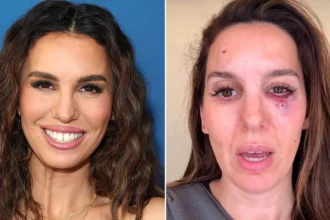
The story of Liv Schmidt and her weight loss journey has become one of the most talked about topics on social media in recent years. While many people search for information about her transformation, it is important to understand both what happened and why health experts have expressed serious concerns. This article will help you understand the full picture while providing safe and healthy weight loss information that actually works.
Who is Liv Schmidt
Liv Schmidt is a social media influencer who gained popularity on platforms like TikTok and Instagram for sharing her weight loss journey and daily routines. Starting in her early twenties, she built a following of nearly 700,000 people by posting content about her lifestyle, eating habits, and fitness routines. Her content series included videos titled what I eat in a day and skinny girl essentials that attracted millions of views.
The New York based influencer presented herself as someone who wanted to help others achieve their weight loss goals. However, her approach and the methods she promoted would later become the center of a major controversy that led to multiple platform bans and widespread criticism from health professionals.
The Liv Schmidt Weight Loss Story
During her time creating content, Schmidt documented what she described as her personal weight loss transformation. She shared her daily eating habits, exercise routines, and lifestyle choices with her audience. Many young women, particularly college students and teenagers, followed her content looking for guidance and inspiration.
Schmidt claimed she wanted to save America from obesity one person at a time and positioned herself as someone offering motivation to people struggling with their weight. She attended the University of Arizona where she said she first became aware of peer pressure around body image and appearance. This experience, she explained, motivated her to start creating content about weight management and staying thin.
Her Amazon storefront featured dietary supplements, ankle weights, and protein powders, suggesting a commercial aspect to her content creation. She created videos with titles like how to avoid the freshman 15 and how to stop your emotional eating at your 9 to 5 job that resonated with many viewers who were looking for practical advice.
Why Liv Schmidt Got Banned from TikTok
In September 2024, TikTok permanently removed Schmidt’s original account citing community guideline violations related to promoting dangerous weight loss behaviors. The platform took action after numerous reports from users, health professionals, and concerned parents who flagged her content as potentially harmful.
The main concerns that led to her ban included promoting very low calorie diets that some reports suggested were as low as 800 calories per day, which is far below what health experts recommend for safe weight loss. Her content was criticized for echoing pro anorexia trends and glorifying extreme thinness. She sometimes used animal emojis like pigs, whales, and cows when discussing weight, which many found offensive and body shaming.
After her initial ban, Schmidt quickly created a new account called notlivschmidt with the tagline thin is not a sin. However, this account was also banned shortly after for similar violations. In January 2025, Meta took additional action by demonetizing her Instagram account and restricting her subscription platform Skinni Société to users over 18 years old only.
Speaking to the Wall Street Journal after her ban, Schmidt defended her content saying for me and my personal aesthetic, I like to be skinny and there is nothing wrong with that. She expressed confusion about why her content violated guidelines and argued she was being unfairly censored. Despite these claims, health experts and platform moderators disagreed with her assessment.
Understanding the Real Concerns About Her Methods
The controversy surrounding Liv Schmidt goes far beyond personal preferences about body size. Health professionals have identified several serious problems with the type of content she was sharing.
Research shows that social media content promoting extreme dieting can have devastating effects on young audiences. A study published in January 2025 found that 47 percent of young people aged 16 to 25 showed signs of eating disorder risk, with the highest rates among high school students. Body dissatisfaction and frequent social media comparisons significantly increased this risk.
The National Eating Disorders Association reports that eating disorders have the second highest mortality rate of all mental health disorders. When influencers with large followings share extreme weight loss methods without proper context or medical guidance, they can trigger disordered eating patterns in vulnerable viewers, especially teenagers and young adults.
According to recent data from 2025, over 5 million Americans attribute the onset of their eating disorder to consistent exposure to social media content. The hashtag what I eat in a day has been viewed more than 19 billion times on TikTok, with a significant portion glamorizing restrictive eating patterns.
The Impact on Young Audiences
The demographic that consumes the most energy drinks and diet content on social media tends to be young adults and teenagers, the same group most vulnerable to developing eating disorders. Studies show that 81 percent of teens use social media, with 70 percent checking it more than once daily. This constant exposure to idealized body images and extreme dieting advice creates a perfect storm for body image issues.
Research published in early 2025 found that students who spent more than 2 hours daily on social media were 1.6 times more likely to experience body image problems compared to those who spent less time online. Among young women, 67 percent report that social media makes them feel worse about their appearance.
The influence extends beyond just feelings. In 2025, 15 percent of high school students admitted to adjusting their meals specifically to match trends they saw in what I eat in a day videos. This shows how powerful social media influence can be on actual eating behaviors, especially among impressionable young people.
Mental health professionals emphasize that content promoting extreme restriction without medical supervision can normalize disordered eating patterns. When thousands of young people see an influencer they admire eating very little food and calling it healthy or motivating, they may try to copy these dangerous behaviors without understanding the serious health risks involved.
What Health Experts Recommend for Safe Weight Loss
Unlike the extreme methods that got Schmidt banned from multiple platforms, legitimate health organizations provide evidence based guidelines for safe and sustainable weight loss. Understanding these recommendations is crucial for anyone considering a weight loss journey.
The Centers for Disease Control and Prevention recommends losing weight at a gradual steady pace of about 1 to 2 pounds per week. This approach is more likely to result in long term success compared to rapid weight loss methods. Even a modest weight loss of 5 to 10 percent of your total body weight can produce significant health benefits including improvements in blood pressure, cholesterol levels, and blood sugar control.
A healthy weight loss plan should include a variety of nutritious foods from all food groups. This means emphasizing fruits, vegetables, whole grains, and lean proteins while limiting added sugars, excess sodium, and saturated fats. The key is creating a sustainable eating pattern you can maintain long term, not following extreme restrictions that you cannot keep up with.
Regular physical activity is essential for both losing weight and maintaining weight loss. Health experts recommend at least 150 minutes of moderate intensity aerobic activity each week, such as brisk walking, along with muscle strengthening activities at least 2 days per week. This helps burn calories while building and preserving muscle mass.
Sleep, stress management, and adequate hydration also play important roles in healthy weight management. Getting enough quality sleep helps regulate hunger hormones, while managing stress can prevent emotional eating. Drinking water instead of sugary beverages is a simple way to reduce calorie intake without feeling deprived.
Creating a Healthy Relationship with Food and Body Image
One of the most important aspects often missing from extreme weight loss content is the emphasis on developing a healthy relationship with food and your body. This psychological component is just as important as the physical aspects of weight management.
Health professionals emphasize that food should not be viewed as good or bad, and eating should not be associated with guilt or shame. A balanced approach allows room for all foods in moderation, including treats and favorite dishes. The goal is nourishment and satisfaction, not punishment or extreme restriction.
Body image concerns often drive people to seek out weight loss content, but focusing solely on appearance rather than health can lead to unhealthy behaviors. Learning to appreciate what your body can do rather than just how it looks helps build a more positive self image. This shift in mindset supports long term wellness rather than short term fixes.
For anyone struggling with thoughts about food, weight, or body image, reaching out to a qualified healthcare provider is the best first step. Registered dietitians, therapists specializing in eating disorders, and primary care doctors can provide personalized guidance based on your individual needs and health status. Just as people learn about how is gloria copeland health through reliable health information, understanding your own health journey requires professional support.
The Role of Social Media Platforms
Social media platforms like TikTok, Instagram, and YouTube have come under increasing pressure to better moderate content related to weight loss and eating disorders. While these platforms can be valuable sources of information and community support, they also have a responsibility to protect users, especially young and vulnerable audiences.
TikTok updated its community guidelines in recent years to restrict content that encourages disordered eating or promotes dangerous weight loss methods. The platform now removes content that glorifies eating disorders or shares harmful weight loss advice. However, enforcement remains challenging as new accounts and creative workarounds continue to appear.
Instagram and other Meta platforms have also implemented stricter policies around eating disorder content. This includes restricting certain accounts to adult users only and limiting the reach of content flagged as potentially harmful. The platforms use both automated systems and human reviewers to identify problematic content, though critics argue more could be done.
Users themselves play a role in keeping social media safer by reporting content that promotes dangerous behaviors. Many of the actions taken against problematic accounts, including Schmidt’s bans, came after numerous user reports flagged the content as harmful. This shows the power of community standards in shaping online spaces.
Finding Reliable Health Information Online
With so much conflicting information available online, knowing how to identify reliable sources is essential. Not all health advice shared on social media comes from qualified experts, and even well intentioned content can sometimes spread misinformation.
Look for information from established health organizations like the CDC, WHO, and reputable medical institutions. These sources base their recommendations on scientific research and expert consensus. Content created or reviewed by licensed healthcare professionals including registered dietitians, doctors, and certified fitness trainers tends to be more reliable than advice from general influencers.
Be cautious of content that promises quick fixes, guarantees dramatic results, or promotes extreme restrictions. Legitimate health advice acknowledges that everyone’s body is different and what works for one person may not work for another. Quality content also includes appropriate disclaimers about consulting healthcare providers before making significant changes to diet or exercise routines.
Consider the motivation behind the content you consume. Is the creator trying to educate and help, or are they primarily trying to sell products or gain followers? Content that links to expensive supplements or products should be viewed with extra skepticism, especially if the claims seem too good to be true.
The Importance of Professional Guidance
Anyone considering significant changes to their eating habits or starting a weight loss program should consult with qualified healthcare professionals. A primary care doctor can assess your overall health, identify any underlying conditions that might affect weight, and provide guidance on safe approaches for your specific situation.
Registered dietitians are nutrition experts who can create personalized meal plans that meet your nutritional needs while supporting healthy weight loss. They can help you develop sustainable eating patterns that fit your lifestyle, preferences, and health goals. This individualized approach is far more effective than following generic advice from social media.
For people dealing with disordered eating thoughts or behaviors, mental health professionals specializing in eating disorders can provide crucial support. Early intervention is important for preventing eating disorders from becoming more severe. There is no shame in seeking help, and treatment is much more effective when started early.
Frequently Asked Questions
What is the number one cause of stroke
The leading cause of stroke is high blood pressure also called hypertension. This condition damages blood vessels over time and significantly increases stroke risk. Other major risk factors include smoking, diabetes, high cholesterol, obesity, and lack of physical activity. Maintaining a healthy weight through balanced nutrition and regular exercise can help reduce multiple stroke risk factors.
Is it true that 80 percent of strokes can be prevented
Yes, research suggests that approximately 80 percent of strokes are potentially preventable through lifestyle modifications and medical management of risk factors. This includes controlling blood pressure, maintaining a healthy weight, not smoking, limiting alcohol consumption, eating a nutritious diet, staying physically active, and managing conditions like diabetes and high cholesterol. Regular checkups with healthcare providers help identify and address risk factors early.
How did Liv Schmidt lose weight
While Schmidt documented her weight loss journey on social media, the specific methods she promoted were flagged by health experts and social media platforms as potentially dangerous. She shared content about very restrictive eating patterns that fell well below recommended calorie levels for safe weight loss. Rather than following extreme approaches that led to her platform bans, individuals seeking to lose weight should consult healthcare professionals for safe, evidence based strategies.
Why was Liv Schmidt banned from social media
Schmidt was banned from TikTok in September 2024 and later faced restrictions on Instagram due to violations of community guidelines related to promoting dangerous weight loss behaviors. Her content was criticized for encouraging eating patterns that could trigger or worsen eating disorders, particularly among young and vulnerable audiences. The platforms determined her content posed risks to user safety and wellbeing.
Are energy drinks bad for your arteries
Yes, excessive energy drink consumption can negatively affect arterial health. These beverages often contain very high levels of caffeine and sugar that can increase blood pressure and heart rate. Regular consumption has been linked to arterial stiffness and increased cardiovascular risk. Health experts recommend limiting or avoiding energy drinks, especially for young people, those with heart conditions, and anyone concerned about cardiovascular health.
Is it okay to drink an energy drink every day
Most health experts advise against daily energy drink consumption due to potential health risks. The high caffeine and sugar content can lead to various problems including disrupted sleep patterns, increased heart rate and blood pressure, dental issues, weight gain, and dependency. If you need an energy boost, healthier alternatives include adequate sleep, regular exercise, staying hydrated with water, and eating balanced meals for sustained natural energy.
Moving Forward with Healthy Choices
The story of Liv Schmidt serves as an important reminder about the need for critical thinking when consuming health and fitness content on social media. While social media can be a valuable tool for finding information and community support, it is essential to approach weight loss advice with caution and always prioritize your health and wellbeing.
Real sustainable change comes from developing healthy habits you can maintain throughout your life, not from following extreme restrictions promoted by unqualified influencers. Focus on nourishing your body with nutritious foods, moving in ways you enjoy, getting adequate rest, and building a positive relationship with food and your body.
If you are struggling with your weight, body image concerns, or thoughts about food, please reach out to qualified healthcare professionals who can provide personalized guidance based on your individual needs. Remember that health comes in many different body sizes, and the goal should always be overall wellness rather than achieving a specific appearance.
For more reliable health information and updates on wellness topics, visit Health Guiders where we provide evidence based content to support your health journey. Our mission is to offer trustworthy information that helps you make informed decisions about your health and wellbeing.
Important Health Disclaimer
This article is for informational purposes only and does not constitute medical advice. The information provided should not be used as a substitute for professional medical guidance, diagnosis, or treatment. Always consult a qualified healthcare professional before starting, stopping, or changing any medication, supplement, diet plan, or treatment regimen.
This content does not promote the sale or use of any specific weight loss products, supplements, or extreme dieting methods. Information about individuals, weight loss approaches, and health topics is provided for educational purposes only and should not be interpreted as an endorsement or recommendation. Dosage, effectiveness, suitability, and safety of any weight loss method vary from person to person and must be determined by a licensed healthcare provider.
If you or someone you know is struggling with an eating disorder, please contact the National Eating Disorders Association Helpline at 1-800-931-2237 for confidential support and resources. Eating disorders are serious medical conditions that require professional treatment.
Weight loss results vary significantly between individuals based on numerous factors including genetics, metabolism, medical conditions, medications, age, activity level, and adherence to recommended programs. No single approach works for everyone, and what may be safe or effective for one person could be inappropriate or harmful for another.
Always prioritize your physical and mental health over appearance goals. Extreme restriction, excessive exercise, and other dangerous weight loss behaviors can lead to serious health complications including nutritional deficiencies, hormonal imbalances, bone loss, heart problems, and psychological issues.