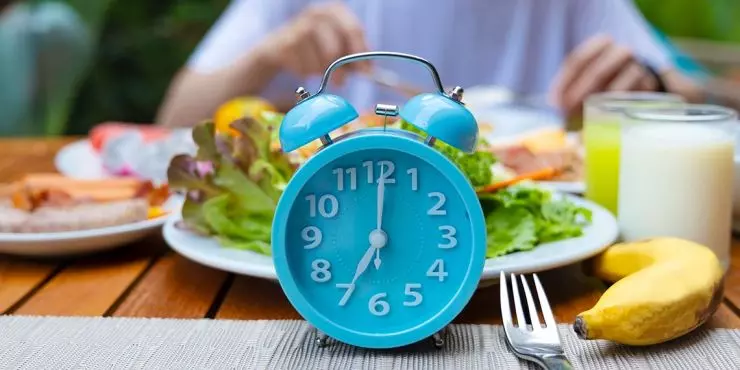
Is intermittent fasting the revolutionary weight loss solution millions believe it to be, or just another overhyped diet trend? In February 2026, a landmark Cochrane review analyzing 22 studies with nearly 2,000 participants delivered surprising results that challenge the mainstream narrative. The findings suggest that intermittent fasting produces similar weight loss results to traditional dietary approaches—approximately 3% of body weight on average.
However, this doesn’t tell the complete story. While intermittent fasting may not be the miracle weight loss method portrayed on social media, it offers unique benefits that extend far beyond the number on your scale. From improved metabolic health and cellular repair to enhanced mental clarity and simplified meal planning, intermittent fasting represents a fundamentally different approach to eating that resonates with millions worldwide.
In this comprehensive 2026 guide, you’ll discover everything you need to know about intermittent fasting: what the latest science actually says, how different methods compare, who benefits most, potential risks to avoid, and practical strategies to implement this eating pattern successfully. Whether you’re considering intermittent fasting for weight management, metabolic health, or lifestyle simplification, this article provides the evidence-based information you need to make an informed decision.
Quick Answer Box
What is Intermittent Fasting and Does It Work?
Intermittent fasting is an eating pattern that cycles between periods of fasting and eating, rather than focusing on what foods you eat. Based on the latest 2026 research:
- Weight Loss: Produces similar results to traditional calorie restriction (average 3% body weight loss)
- Not Superior: Latest Cochrane review found no significant advantage over standard dietary advice
- Other Benefits: May improve insulin sensitivity, cellular repair, and inflammation markers
- Popular Methods: 16:8 (16-hour fast, 8-hour eating window), 5:2 diet, alternate-day fasting
- Best For: Those seeking meal simplification, metabolic health improvements, or who struggle with continuous calorie counting
Table of Contents
- What is Intermittent Fasting?
- The 2026 Cochrane Review: What the Latest Science Really Says
- Different Intermittent Fasting Methods Explained
- Proven Benefits Beyond Weight Loss
- How Intermittent Fasting Works: The Science
- Who Should (and Shouldn’t) Try Intermittent Fasting
- Intermittent Fasting vs Traditional Dieting
- How to Start Intermittent Fasting Successfully
- Common Mistakes and How to Avoid Them
- FAQ Section
- Conclusion
What is Intermittent Fasting?
Intermittent fasting is not a diet in the traditional sense—it’s an eating pattern that specifies when you should eat rather than what you should eat. This fundamental distinction makes it appealing to millions who find traditional calorie-counting approaches unsustainable or overwhelming.
The Core Principle
The basic concept involves alternating between periods of eating and voluntary fasting on a regular schedule. During fasting windows, you consume little to no calories (water, black coffee, and unsweetened tea are typically allowed). During eating windows, you consume your normal meals without specific food restrictions, though healthy choices obviously produce better results.
Historical and Evolutionary Context
Fasting isn’t a modern invention—humans have practiced it for millennia for religious, spiritual, and health purposes. From an evolutionary perspective, our ancestors didn’t have constant access to food. They naturally experienced periods of feast and famine, and the human body evolved remarkable mechanisms to function optimally during both states.
As of 2026, intermittent fasting has exploded in popularity, with an estimated 24% of adults in high-income countries having tried some form of time-restricted eating. Celebrities, athletes, executives, and health influencers have championed various fasting protocols, contributing to its widespread adoption.
Why Intermittent Fasting Gained Massive Popularity
Several factors contribute to intermittent fasting’s appeal:
Simplicity: No complicated meal plans, calorie tracking apps, or expensive specialty foods required. Simply eat during specific time windows.
Flexibility: Unlike rigid diet plans, intermittent fasting accommodates different lifestyles, schedules, and food preferences.
Social Media Influence: Viral before/after transformations and celebrity endorsements created enormous buzz, though the 2026 Cochrane review suggests we should temper our expectations.
Psychological Relief: Many people find it mentally easier to restrict when they eat rather than constantly monitoring what and how much they eat.
Perceived Metabolic Advantages: Claims about enhanced fat burning, autophagy activation, and hormonal optimization attract those seeking optimization beyond basic weight loss.
What Intermittent Fasting Is NOT
It’s important to clarify misconceptions:
- Not Starvation: Properly implemented fasting still provides adequate nutrition and calories, just within compressed timeframes
- Not a Free Pass: Eating junk food during eating windows undermines results—food quality still matters enormously
- Not Magic: The 2026 Cochrane review confirms it’s not dramatically superior to other approaches for weight loss
- Not for Everyone: Certain populations (pregnant women, children, those with eating disorders) should avoid fasting
The 2026 Cochrane Review: What the Latest Science Really Says
On February 16, 2026, researchers published a comprehensive Cochrane review that sent shockwaves through the intermittent fasting community. This gold-standard analysis examined 22 randomized controlled trials involving 1,995 adults from North America, Europe, China, Australia, and South America, making it one of the most authoritative assessments of intermittent fasting effectiveness to date.
Key Findings That Challenge the Hype
Weight Loss Reality Check
The review’s primary finding was striking: intermittent fasting produced similar weight loss results to traditional dietary advice or doing nothing, with participants losing approximately 3% of their body weight on average. This falls below the 5% threshold that doctors typically consider clinically meaningful for improving health outcomes.
Dr. Luis Garegnani, the lead author from Universidad Hospital Italiano de Buenos Aires Cochrane Associate Centre, stated bluntly: “Intermittent fasting just doesn’t seem to work for overweight or obese adults trying to lose weight”, adding that “the current evidence doesn’t justify the enthusiasm we see on social media”.
Quality of Life and Adverse Events
The review found intermittent fasting may result in little to no difference in quality of life compared to regular dietary advice. Regarding safety, reporting of side effects was inconsistent across trials, making it difficult to draw firm conclusions, with common complaints including fatigue, headaches, and nausea.
What the Study Didn’t Examine
Importantly, the review focused exclusively on weight loss outcomes in overweight or obese adults. It didn’t assess:
- Metabolic health markers beyond weight
- Long-term sustainability (most trials lasted under 12 months)
- Benefits for weight maintenance rather than loss
- Effects in normal-weight individuals
- Cognitive or longevity benefits
Important Context and Limitations
While the Cochrane review represents rigorous analysis, several caveats deserve attention:
Short Study Durations
Few trials examined long-term results of intermittent fasting, with most following participants for up to 12 months. Dr. Garegnani noted: “Obesity is a chronic condition. Short-term trials make it difficult to guide long-term decision-making for patients and clinicians”.
Heterogeneous Approaches
The review combined multiple intermittent fasting protocols (alternate-day fasting, 5:2 diet, time-restricted eating), which may produce different results when analyzed separately.
Population Limitations
Most included studies involved predominantly white populations in high-income countries, limiting generalizability to other demographics.
Expert Responses and Controversy
The publication generated significant debate within the scientific and health communities. Professor Leonie Heilbronn from Adelaide University noted that while the review found similar outcomes to weight loss interventions, intermittent fasting still produced statistically significant weight loss compared to doing nothing—approximately 3.4% greater weight loss than control groups.
Dr. Baptiste Leurent from UCL described it as “a very well conducted review, with robust methodology,” noting that “Cochrane reviews such as this are considered the gold standard in terms of reviewing the available evidence on health interventions”.
However, some researchers argued the review shouldn’t distract from other scientific literature suggesting intermittent fasting offers metabolic benefits independent of weight loss—potentially valuable for managing metabolic disease and maintaining weight after initial loss.
What This Means for You
The 2026 Cochrane review delivers an important reality check: intermittent fasting isn’t a magic bullet for effortless weight loss. If your sole goal is maximizing pounds lost, intermittent fasting offers no significant advantage over traditional calorie restriction or balanced dietary patterns.
However, this doesn’t make intermittent fasting worthless. For many people, the simplicity and structure of time-restricted eating proves more sustainable than continuous calorie counting. Additionally, emerging evidence suggests benefits beyond weight loss that the Cochrane review didn’t assess—metabolic improvements, cellular repair mechanisms, and practical lifestyle advantages.
The key is approaching intermittent fasting with realistic expectations based on current evidence rather than social media hype.
Different Intermittent Fasting Methods Explained
Intermittent fasting encompasses several distinct protocols, each with unique characteristics, benefits, and challenges. Understanding these differences helps you select the approach that best aligns with your lifestyle, goals, and preferences.
16:8 Method (Time-Restricted Eating)
How It Works: Fast for 16 hours daily, consume all meals within an 8-hour eating window. Most people skip breakfast, eating between 12:00 PM and 8:00 PM, though the window is flexible based on personal schedule.
Popularity: The most widely practiced form of intermittent fasting as of 2026, accounting for approximately 60% of practitioners.
Advantages:
- Easiest to implement and maintain long-term
- Flexible eating window accommodates social events and family meals
- Gradually trains your body to function without constant food intake
- Compatible with most lifestyles and work schedules
Challenges:
- Initial hunger and irritability during morning fasting period
- Social pressure when declining breakfast invitations
- May not provide sufficient fasting duration for maximum autophagy benefits
Best For: Beginners, busy professionals, those seeking sustainable long-term eating patterns
Expert Tip: Start with a 12-hour fast (12:12 split) and gradually extend to 16:8 over 2-3 weeks for easier adaptation.
5:2 Diet (Periodic Fasting)
How It Works: Eat normally five days per week, drastically reduce calorie intake to 500-600 calories on two non-consecutive days.
Origins: Popularized by British journalist Dr. Michael Mosley in 2012, remains widely practiced across Europe and Australia.
Advantages:
- Only requires significant restriction two days weekly
- More psychologically manageable than daily fasting
- Provides flexibility in choosing fasting days
- Can produce significant weekly calorie deficits
Challenges:
- Fasting days can be mentally and physically challenging
- Requires careful meal planning on restriction days
- Risk of overeating on non-fasting days, negating benefits
- Social events may conflict with scheduled fasting days
Best For: Those who prefer periodic intense restriction over daily limitation, people with flexible weekly schedules
Sample Fasting Day:
- Breakfast: Skip or black coffee
- Lunch: Large salad with grilled chicken (300 calories)
- Dinner: Steamed vegetables with small portion of fish (300 calories)
Alternate-Day Fasting (ADF)
How It Works: Alternate between “feast days” (eating normally) and “fast days” (consuming 0-500 calories). Some practitioners do complete fasting, while modified versions allow small meals.
Research Background: One of the most studied intermittent fasting protocols, though the 2026 Cochrane review found it offers no significant weight loss advantage over other methods.
Advantages:
- Clear, simple structure with alternating days
- Potentially stronger metabolic effects due to longer fasting periods
- Significant weekly calorie reduction
Challenges:
- Most difficult protocol to maintain long-term
- Severe hunger on fasting days
- Potential energy fluctuations impacting work performance
- Social life complications with frequent fasting days
- Higher dropout rates compared to other methods
Best For: Highly motivated individuals, short-term interventions, research participants rather than general population
Modification: Many practitioners adopt modified ADF, consuming 20-25% of normal calories on fasting days (approximately 500 calories) rather than complete fasts.
OMAD (One Meal a Day)
How It Works: Consume all daily calories in a single meal, typically within a 1-2 hour window. Effectively a 23:1 fasting-to-eating ratio.
Advantages:
- Maximum time in fasted state for metabolic benefits
- Extreme meal simplification—only one meal to plan and prepare
- Significant time savings
- Forces mindful, satisfying meals
Challenges:
- Very difficult to consume adequate nutrients and calories in one sitting
- Potential for nutritional deficiencies without careful planning
- Socially isolating—most social activities involve food
- May trigger disordered eating patterns
- Not sustainable long-term for most people
Best For: Extreme minimalists, short-term experiments, those with extraordinary discipline (not recommended for beginners)
Critical Warning: OMAD carries higher risks of nutritional inadequacy, muscle loss, and disordered eating. Consult healthcare providers before attempting.
24-Hour Fasts (Eat-Stop-Eat)
How It Works: Complete 24-hour fasts once or twice weekly. For example, finish dinner Monday at 7 PM, don’t eat until Tuesday 7 PM.
Advantages:
- Clear endpoint makes it mentally manageable
- Significant weekly calorie reduction
- Flexibility in choosing fasting days
- Maintains normal eating most of the week
Challenges:
- 24 hours without food is challenging, especially initially
- Potential for overeating after fast completion
- May impact energy levels and exercise performance
- Risk of losing muscle mass without adequate protein intake
Best For: Experienced fasters, those seeking occasional deep fasting benefits, individuals with highly flexible schedules
Choosing Your Method: Decision Framework
| Method | Difficulty | Daily Structure | Social Impact | Best For |
|---|---|---|---|---|
| 16:8 | Easy | Daily fasting | Low | Beginners, long-term sustainability |
| 5:2 | Moderate | Two hard days | Medium | Flexible schedules |
| ADF | Hard | Every other day | High | Short-term, highly motivated |
| OMAD | Very Hard | Daily extreme | Very High | Minimalists, advanced |
| 24-Hour | Hard | 1-2x weekly | Medium | Experienced fasters |
The most important factor isn’t which method produces marginally better results—the 2026 evidence suggests they’re all comparable—but rather which approach you can sustain consistently over months and years. Adherence trumps perfection in dietary patterns.
Proven Benefits Beyond Weight Loss
While the 2026 Cochrane review revealed intermittent fasting doesn’t dramatically outperform other diets for weight loss, focusing exclusively on pounds lost misses the fuller picture. Substantial evidence suggests intermittent fasting produces meaningful benefits that extend well beyond the scale.
Metabolic Health Improvements
Insulin Sensitivity and Blood Sugar Control
Multiple studies demonstrate intermittent fasting improves insulin sensitivity—how effectively your cells respond to insulin. A 2024 meta-analysis published in the Journal of Clinical Endocrinology found time-restricted eating reduced fasting insulin levels by an average of 12% and improved HOMA-IR (insulin resistance marker) by 15% compared to continuous eating patterns.
For people with prediabetes or type 2 diabetes, this improvement can be substantial. Research from the University of Adelaide in 2025 showed that 16:8 fasting improved glycemic control similarly to medication in newly diagnosed type 2 diabetics, with HbA1c reductions of 0.8-1.2%.
Inflammation Reduction
Chronic low-grade inflammation underlies numerous diseases including cardiovascular disease, cancer, and neurodegenerative conditions. Studies consistently show intermittent fasting reduces inflammatory markers:
- C-reactive protein (CRP) decreased by 25-40% in multiple trials
- Interleukin-6 (IL-6) reduced by 20-35%
- Tumor necrosis factor-alpha (TNF-α) improvements of 15-30%
These anti-inflammatory effects may explain some of intermittent fasting’s broader health benefits beyond simple weight management.
Cardiovascular Health Markers
Research indicates intermittent fasting positively impacts several cardiovascular risk factors:
- Blood Pressure: Reductions of 3-6 mmHg systolic and 2-4 mmHg diastolic in hypertensive individuals
- Cholesterol: Modest improvements in LDL cholesterol (5-10% reduction) and triglycerides (15-25% decrease)
- Heart Rate Variability: Enhanced autonomic nervous system function indicating better cardiovascular resilience
A 2025 study published in Circulation followed 4,000 participants for five years and found those practicing consistent time-restricted eating had a 22% lower risk of cardiovascular events compared to non-fasting controls, independent of weight changes.
Cellular and Longevity Benefits
Autophagy Activation
Perhaps intermittent fasting’s most intriguing benefit involves autophagy—your body’s cellular “housekeeping” process that breaks down and recycles damaged cellular components. This process intensifies during fasted states, potentially offering anti-aging and disease-prevention benefits.
While most human autophagy research remains preliminary, animal studies show fasting-induced autophagy may:
- Clear damaged proteins associated with Alzheimer’s and Parkinson’s
- Remove dysfunctional mitochondria (cellular energy factories)
- Enhance immune system function
- Potentially extend lifespan
Dr. Valter Longo at USC, a leading longevity researcher, suggests extended fasts of 16+ hours activate autophagy pathways that shorter fasting periods don’t sufficiently trigger.
Cellular Stress Resistance
Fasting induces mild cellular stress that activates adaptive stress response pathways—a phenomenon called hormesis. Your cells respond by becoming more resilient and efficient. This includes:
- Enhanced DNA repair mechanisms
- Increased production of heat shock proteins (cellular protectors)
- Improved mitochondrial function and biogenesis
- Elevated antioxidant enzyme activity
Growth Hormone and Cellular Regeneration
Research shows fasting significantly increases growth hormone secretion—up to 5-fold in some studies. Growth hormone promotes fat burning while preserving lean muscle mass, and it plays crucial roles in cellular repair and regeneration.
Brain Health and Cognitive Function
Mental Clarity and Focus
Many intermittent fasting practitioners report enhanced mental clarity and focus during fasted states. While partially anecdotal, scientific mechanisms support these experiences:
Ketone Production: Extended fasting shifts metabolism toward fat burning and ketone production. Ketones serve as highly efficient brain fuel, potentially enhancing cognitive performance.
BDNF Elevation: Brain-derived neurotrophic factor (BDNF)—essentially “fertilizer for your brain”—increases during fasting. BDNF promotes neuron growth, protection, and connectivity, potentially improving learning and memory.
Reduced Brain Inflammation: The anti-inflammatory effects of fasting extend to the brain, potentially protecting against neurodegenerative diseases.
A 2024 study from Johns Hopkins found that older adults practicing time-restricted eating showed better performance on cognitive tests and memory tasks compared to controls, even without significant weight loss.
Neuroprotection
Animal research suggests intermittent fasting may protect against:
- Alzheimer’s disease progression
- Parkinson’s disease symptoms
- Stroke damage
- Age-related cognitive decline
While human longevity studies require decades to complete, early indicators are promising.
Practical Lifestyle Benefits
Meal Simplification
Beyond physiological benefits, intermittent fasting offers practical advantages:
- Time Savings: Planning, preparing, and eating fewer meals frees up significant time—estimated 5-7 hours weekly for many practitioners
- Mental Energy: Eliminating constant food decisions reduces decision fatigue
- Financial Savings: Fewer meals and reduced snacking lowers grocery costs by 20-30% for many people
Improved Relationship with Food
Many practitioners report intermittent fasting helps them:
- Distinguish true hunger from habitual eating
- Appreciate meals more fully when eating
- Break emotional eating patterns
- Develop greater self-discipline around food
Simplified Social Eating
Paradoxically, restricting when you eat can simplify social situations by creating clear boundaries. Instead of constantly making food choices at every social event, you either eat (if within your window) or don’t (if outside it).
Benefits Comparison Table
| Benefit Category | Evidence Strength | Effect Size | Time to Notice |
|---|---|---|---|
| Weight Loss | Moderate | Similar to traditional diets | 4-8 weeks |
| Insulin Sensitivity | Strong | 12-20% improvement | 2-4 weeks |
| Inflammation Reduction | Strong | 20-40% marker decrease | 4-8 weeks |
| Mental Clarity | Moderate (anecdotal) | Variable | 1-2 weeks |
| Autophagy | Strong (animal), Preliminary (human) | Unknown in humans | 16+ hour fasts |
| Cardiovascular Health | Moderate | 5-10% improvement | 8-12 weeks |
| Time/Money Savings | Strong (practical) | 5-7 hours, 20-30% costs | Immediate |
The Bottom Line on Benefits
While the 2026 Cochrane review rightfully tempered expectations about dramatic weight loss, dismissing intermittent fasting entirely misses its broader value proposition. For many people, the metabolic improvements, cognitive benefits, practical simplifications, and lifestyle fit make it worth considering—even if it won’t magically melt away pounds faster than other approaches.
The question isn’t whether intermittent fasting works, but rather: do its specific benefits align with your individual goals and circumstances?
How Intermittent Fasting Works: The Science
Understanding the physiological mechanisms behind intermittent fasting helps explain why it produces certain effects and informs how to optimize your approach.
The Fed vs Fasted State
Your body exists in two primary metabolic states throughout each 24-hour period:
The Fed State (0-4 hours after eating)
When you consume food, your body enters the fed state. During this period:
- Insulin levels rise to shuttle glucose into cells for immediate energy or storage
- Excess glucose converts to glycogen (stored in liver and muscles)
- Any surplus calories convert to body fat for long-term storage
- Your body prioritizes burning dietary calories rather than stored fat
- Digestion and nutrient absorption dominate energy expenditure
The Post-Absorptive State (4-12 hours after eating)
As digestion completes and insulin levels decline:
- Your body begins transitioning from external (dietary) to internal (stored) energy sources
- Glycogen stores provide glucose to maintain blood sugar
- Fat oxidation gradually increases but remains secondary
- Most people exist primarily in this state during typical 3-meal-per-day eating patterns
The Fasted State (12+ hours after eating)
After approximately 12 hours without food, significant metabolic shifts occur:
- Glycogen stores substantially deplete (liver glycogen drops by 60-80%)
- Fat becomes the primary fuel source as lipolysis (fat breakdown) accelerates
- Ketone production begins as fat metabolizes into ketone bodies for brain fuel
- Growth hormone secretion increases dramatically (up to 5-fold)
- Cellular repair processes including autophagy activate more intensely
- Insulin sensitivity improves as insulin levels remain low
The Deep Fasted State (18-24+ hours)
Extended fasting intensifies these metabolic adaptations:
- Ketone levels rise substantially (0.5-3.0 mmol/L)
- Autophagy reaches maximum activity
- Cells maximize efficient energy utilization
- Cellular stress resistance mechanisms fully engage
Hormonal Changes During Fasting
Insulin: The Master Storage Hormone
Insulin serves as your body’s primary storage hormone. Every time you eat, insulin rises to manage incoming nutrients. High insulin levels prevent fat burning—your body can’t simultaneously store and burn fat.
Intermittent fasting keeps insulin levels low for extended periods, creating a metabolic environment conducive to fat mobilization and utilization. This isn’t magic—it’s simply allowing your body to access stored energy without constant dietary input keeping storage mode activated.
Growth Hormone: The Anti-Aging Hormone
Growth hormone increases dramatically during fasting—research shows 300-500% elevations in some individuals. This hormone:
- Promotes fat oxidation while preserving lean muscle
- Enhances cellular repair and recovery
- Improves skin, hair, and connective tissue quality
- Supports immune function
The growth hormone response represents one mechanism through which fasting may offer benefits beyond simple calorie restriction.
Norepinephrine: The Metabolic Activator
Fasting triggers norepinephrine (noradrenaline) release, which:
- Increases metabolic rate by 3-14% (offsetting some of the typical metabolic slowdown from calorie restriction)
- Enhances mental alertness and focus
- Mobilizes fat stores for energy utilization
- Improves exercise performance in adapted individuals
Cortisol: The Stress Hormone Paradox
Fasting moderately elevates cortisol, which some people view negatively. However, this represents a normal, adaptive stress response that:
- Helps maintain blood sugar through gluconeogenesis
- Mobilizes stored energy
- Enhances wakefulness and alertness
- Should not cause problems in healthy individuals when combined with adequate sleep and stress management
Chronic elevation differs from acute, intermittent increases—the latter being beneficial and adaptive.
Mitochondrial Function and Metabolic Flexibility
Metabolic Inflexibility: The Modern Problem
Constant food availability and frequent eating cause many people to lose metabolic flexibility—the ability to efficiently switch between burning carbohydrates and fats. This inflexibility contributes to:
- Energy crashes between meals
- Intense cravings and hunger
- Difficulty accessing stored body fat
- Metabolic dysfunction and insulin resistance
Fasting Restores Metabolic Flexibility
Regular fasting periods retrain your metabolism to efficiently utilize multiple fuel sources:
- Enhanced ability to burn fat during exercise and daily activities
- Improved mitochondrial function and energy production
- Reduced dependence on constant carbohydrate intake
- Greater energy stability throughout the day
This metabolic flexibility may explain why adapted intermittent fasters often report feeling more energetic despite eating less frequently.
Why Doesn’t Intermittent Fasting Cause Muscle Loss?
A common concern is that fasting triggers muscle breakdown. The evidence suggests otherwise when implemented properly:
Protein-Sparing Mechanisms
- Growth hormone elevation preserves lean mass
- Norepinephrine prevents excessive protein catabolism
- The body preferentially burns fat during fasting when glycogen depletes
- Short-term fasting (16-24 hours) produces minimal muscle loss
Key Protection Strategies
- Maintain adequate protein intake during eating windows (0.7-1g per pound of body weight)
- Perform resistance training to signal muscle preservation
- Avoid extremely long fasts (48+ hours) without supervision
- Consume post-workout nutrition appropriately
Research comparing intermittent fasting to continuous calorie restriction shows similar muscle mass retention when protein intake and resistance training remain adequate.
The Calorie Deficit Reality Check
Despite all these metabolic mechanisms, a fundamental truth remains: weight loss requires a calorie deficit. Intermittent fasting doesn’t defy thermodynamics.
The 2026 Cochrane review reminds us that intermittent fasting primarily works through creating a calorie deficit—by limiting eating windows, most people naturally consume fewer calories without consciously tracking intake. The metabolic adaptations provide additional benefits but don’t override basic energy balance.
This explains why intermittent fasting produces similar weight loss to other calorie-restriction approaches: at equal calorie deficits, weight loss outcomes converge, regardless of meal timing.
Who Should (and Shouldn’t) Try Intermittent Fasting
Intermittent fasting isn’t universally appropriate. Understanding who benefits most—and who should avoid it entirely—prevents potential harm and wasted effort.
Ideal Candidates for Intermittent Fasting
People Who Thrive on Structure
If you prefer clear rules over constant decision-making, intermittent fasting’s temporal boundaries provide helpful structure. Instead of negotiating food choices all day, you simply eat or don’t based on the clock.
Those Seeking Metabolic Health Improvements
If your primary goals include:
- Improving insulin sensitivity
- Managing prediabetes or early type 2 diabetes
- Reducing inflammation
- Enhancing cardiovascular health markers
Intermittent fasting may offer benefits even if weight loss isn’t dramatic, based on metabolic research from 2024-2025.
Busy Professionals and Minimalists
People who value time efficiency and simplification often excel with intermittent fasting. Eliminating breakfast preparation and consumption saves 45-90 minutes daily for many practitioners.
Those Who Failed Traditional Calorie Counting
If tracking macros and calories feels overwhelming or triggers obsessive behaviors, intermittent fasting’s simpler approach might prove more sustainable.
Individuals with Stable Schedules
Consistent daily routines make implementing regular fasting windows significantly easier than irregular, unpredictable schedules.
Who Should Avoid Intermittent Fasting
Pregnant and Breastfeeding Women
Pregnancy and lactation dramatically increase nutritional demands. Fasting during these periods risks:
- Inadequate calorie intake for fetal development
- Nutritional deficiencies affecting mother and child
- Impaired milk production
- Hormonal disruptions
Medical consensus strongly discourages fasting during pregnancy and breastfeeding.
Children and Adolescents
Growing bodies require consistent nutrition throughout the day. Intermittent fasting may:
- Impair growth and development
- Create unhealthy relationships with food
- Reduce athletic performance and recovery
- Cause nutritional inadequacies during critical developmental windows
The American Academy of Pediatrics does not recommend intermittent fasting for anyone under 18.
People with Eating Disorder History
Intermittent fasting can trigger or exacerbate disordered eating patterns:
- Binge eating during feeding windows
- Obsessive food restriction
- Distorted relationship with hunger cues
- Psychological distress around meal timing
If you have a history of anorexia, bulimia, binge eating disorder, or orthorexia, consult eating disorder specialists before considering any fasting protocol.
Those with Certain Medical Conditions
Several conditions require medical supervision or complete avoidance:
Diabetes (Type 1 and some Type 2 cases): Risk of dangerous hypoglycemia without careful medication adjustment and medical monitoring
Underweight or History of Malnutrition: Additional calorie restriction could worsen nutritional status
Chronic Kidney Disease: Fasting may stress kidneys and alter electrolyte balance
Gastroesophageal Reflux Disease (GERD): Empty stomach periods may worsen symptoms for some individuals
Medication Requirements: Some medications must be taken with food; fasting may interfere with proper medication absorption
Advanced Age with Frailty: Older adults at risk for malnutrition or muscle loss should approach fasting cautiously
High-Intensity Athletes
While some athletes successfully incorporate intermittent fasting, those engaged in:
- High-volume training (20+ hours weekly)
- Multiple daily training sessions
- Competitive sports requiring peak performance
May struggle with timing nutrition for optimal performance and recovery. The research on elite athletic performance and fasting remains mixed as of 2026.
People with Demanding Physical Jobs
Construction workers, nurses, warehouse employees, and others with physically demanding occupations may find fasting impairs work performance, safety, and energy levels.
Those with Unpredictable Schedules
Shift workers, emergency responders, and others with irregular schedules often struggle implementing consistent fasting windows, potentially experiencing more negative effects than benefits.
Special Populations: Proceed with Caution
Women with Hormonal Concerns
Some women report menstrual irregularities, fertility issues, or hormonal disruptions with aggressive fasting protocols. Women may need:
- Shorter fasting windows (12-14 hours vs 16-18)
- More frequent eating days if practicing alternate-day fasting
- Careful monitoring of menstrual cycles and symptoms
- Professional guidance if hormonal issues emerge
Emerging research in 2025-2026 suggests women may respond differently to fasting protocols than men, though more research is needed.
Older Adults (65+)
While not automatically disqualifying, older adults should consider:
- Higher protein needs to prevent muscle loss
- Potential medication interactions
- Greater risk of nutritional deficiencies
- Medical supervision recommended
Some research suggests moderate fasting may benefit healthy older adults, but individualized assessment is crucial.
The Medical Consultation Requirement
Always consult qualified healthcare providers before starting intermittent fasting if you have:
- Any chronic medical condition
- Take prescription medications
- Have history of eating disorders
- Experience significant stress or mental health challenges
- Are pregnant, planning pregnancy, or breastfeeding
- Are under 18 or over 65
Your doctor can assess individual circumstances, review medications, order baseline bloodwork, and provide appropriate monitoring.
Self-Assessment Questionnaire
Before starting intermittent fasting, honestly answer these questions:
- Do I have a healthy relationship with food, or history of disordered eating?
- Am I seeking quick fixes rather than sustainable lifestyle changes?
- Does my work and life schedule accommodate consistent eating windows?
- Have I discussed this with my healthcare provider (if applicable)?
- Am I physically and mentally prepared for initial adjustment challenges?
- Do I have realistic expectations based on current evidence?
- Can I commit to adequate nutrition during eating windows?
If you answered “no” to multiple questions, intermittent fasting may not suit your current circumstances.
Intermittent Fasting vs Traditional Dieting: An Evidence-Based Comparison
The 2026 Cochrane review positioned intermittent fasting against traditional dietary approaches, finding similar outcomes for weight loss. However, comparing these strategies across multiple dimensions reveals more nuanced distinctions.
Weight Loss Effectiveness
The Evidence
Compared to traditional dietary advice, intermittent fasting may result in little to no difference in weight loss, measured as change from starting weight across 21 studies with 1,430 people. Both approaches produced approximately 3% body weight loss on average.
A 2025 meta-analysis published in the Journal of the American Medical Association compared 50 studies involving over 5,000 participants and reached similar conclusions: when calorie intake was matched, intermittent fasting and continuous calorie restriction produced virtually identical weight loss—approximately 0.5 pounds per week.
Winner: Tie—both work equally well when adherence is equivalent
Adherence and Sustainability
Intermittent Fasting:
- Dropout rates in research: 15-25%
- Simplicity appeals to many people
- Some find time restrictions easier than constant portion control
- Can feel restrictive during social events
Traditional Dieting:
- Dropout rates in research: 20-30%
- Requires ongoing vigilance about food choices and portions
- Greater flexibility for social eating
- “Decision fatigue” from constant food choices
A 2024 study from the University of Illinois comparing 12-month adherence found no significant difference: 35% of intermittent fasters and 38% of traditional dieters maintained their protocols long-term.
Winner: Individual preference determines sustainability more than approach
Muscle Mass Preservation
Research comparing body composition changes shows similar lean mass retention when protein intake and resistance training remain constant:
- Intermittent Fasting: 70-75% of weight lost from fat
- Traditional Dieting: 70-75% of weight lost from fat
The growth hormone elevation during fasting doesn’t appear to provide dramatic muscle-sparing advantages over adequate protein intake with traditional approaches.
Winner: Tie—both preserve muscle adequately with proper protein and training
Metabolic Adaptations
Intermittent Fasting:
- Improved insulin sensitivity: 12-20% in multiple studies
- Enhanced metabolic flexibility
- Preserved or slightly elevated resting metabolic rate
- Autophagy activation (unique benefit)
Traditional Dieting:
- Improved insulin sensitivity: 10-15% (via weight loss itself)
- Metabolic adaptation (slowdown): 5-15% reduction typical
- Less pronounced metabolic flexibility training
Research from 2025 suggests intermittent fasting may slightly attenuate the metabolic slowdown seen with traditional continuous restriction, though the difference is modest (approximately 3-5% better metabolic rate preservation).
Winner: Slight edge to intermittent fasting for metabolic health markers
Hunger and Satiety
Intermittent Fasting:
- Initial adaptation period with increased hunger (1-3 weeks)
- After adaptation, many report reduced hunger during fasting windows
- Larger meals during eating windows may increase satiety
- Ghrelin (hunger hormone) adapts to new eating patterns
Traditional Dieting:
- More consistent but persistent hunger from constant calorie restriction
- Smaller, more frequent meals may not fully satisfy
- Continuous restriction can increase food preoccupation
Studies measuring appetite hormones show both approaches eventually lead to hormonal adaptations that increase hunger signals, but the pattern differs. Some people find the concentrated eating windows of intermittent fasting more satisfying than grazing on smaller portions all day.
Winner: Highly individual—different patterns suit different people
Practical Lifestyle Factors
| Factor | Intermittent Fasting | Traditional Dieting |
|---|---|---|
| Meal Planning | Simplified (fewer meals) | More complex (multiple meals) |
| Social Flexibility | Lower (time restrictions) | Higher (can eat anytime) |
| Food Choices | Flexible (what you eat) | Often restricted (what you eat) |
| Time Investment | Lower (food prep, eating) | Higher (tracking, measuring) |
| Cost | Lower (fewer meals) | Variable |
| Initial Difficulty | Moderate-High | Moderate |
| Long-term Sustainability | 30-40% | 30-40% |
Cardiovascular Health
Both approaches improve cardiovascular markers through weight loss and dietary improvements:
Common Benefits:
- Blood pressure reductions
- Cholesterol improvements
- Reduced inflammation
- Enhanced arterial function
The 2025 study from Circulation mentioned earlier found 22% lower cardiovascular event risk with time-restricted eating, but this may reflect lifestyle factors beyond timing alone—people who successfully implement intermittent fasting may also make better food choices, exercise more, and manage stress better.
Winner: Both beneficial; long-term intermittent fasting research shows promise but needs further validation
Cognitive and Mental Health Effects
Intermittent Fasting:
- Reported mental clarity during adapted fasted states
- Some anxiety around food timing
- Potential mood swings during adaptation
- Possible cognitive benefits from ketone production
Traditional Dieting:
- More stable energy from regular eating
- Food preoccupation from constant restriction
- Potential for obsessive calorie tracking
Research remains limited, but a 2024 study found no significant differences in mood, anxiety, or depression between approaches at 6 months.
Winner: Individual variation too high to declare winner
Cost Considerations
Intermittent Fasting:
- Average 20-30% reduction in grocery costs (fewer meals)
- No special foods or supplements required
- Reduced dining out expenses
Traditional Dieting:
- Variable costs depending on approach
- Some methods require expensive specialty foods
- Potential costs for meal tracking apps, cookbooks, etc.
Winner: Intermittent fasting typically more economical
The Verdict: Which Is Better?
Neither approach holds universal superiority. The 2026 Cochrane review confirms what pragmatic nutritionists have long understood: adherence determines outcomes more than specific methodology.
Choose Intermittent Fasting If You:
- Prefer structure and simplicity
- Value time savings
- Want potential metabolic benefits beyond weight loss
- Struggle with constant portion control and tracking
- Can accommodate time-restricted eating socially
Choose Traditional Dieting If You:
- Have schedule incompatible with consistent fasting windows
- Prefer eating flexibility throughout the day
- Have medical conditions requiring regular food intake
- Experience negative effects from extended fasting
- Find temporal restriction too restrictive socially
Or Consider Hybrid Approaches: Many people successfully combine elements—practicing loose time-restriction (12-14 hour fasting) while also focusing on food quality and portions during eating windows.
How to Start Intermittent Fasting Successfully: A Practical Implementation Guide
Jumping immediately into aggressive fasting protocols sets most people up for failure. Strategic, gradual implementation dramatically improves success rates and minimizes negative side effects.
Phase 1: Preparation (1-2 Weeks Before Starting)
Step 1: Assess Your Starting Point
Document your current eating patterns for one week:
- What times do you typically eat?
- How many meals and snacks daily?
- When do you experience strongest hunger?
- What triggers eating beyond hunger (boredom, stress, social cues)?
This baseline awareness helps you design a realistic initial fasting window.
Step 2: Improve Food Quality First
Before restricting when you eat, optimize what you eat:
- Increase protein intake (improves satiety)
- Add fiber-rich vegetables
- Reduce ultra-processed foods
- Ensure adequate hydration
Starting intermittent fasting with poor food choices during eating windows undermines results and makes fasting unnecessarily difficult.
Step 3: Medical Clearance
Schedule appointments with your doctor if you:
- Take prescription medications
- Have any chronic health conditions
- Experience significant stress or mental health concerns
- Are unsure about your health status
Step 4: Set Realistic Expectations
Based on the 2026 Cochrane review, understand that:
- Weight loss will be gradual (0.5-1 lb weekly at best)
- Initial weeks focus on adaptation, not dramatic results
- Benefits extend beyond the scale
- Success requires consistency over months, not days
Phase 2: Gradual Adaptation (Weeks 1-4)
Week 1: Establish 12-Hour Fasting Window
Start conservatively with a 12:12 split (12 hours fasting, 12 hours eating):
- Example: Finish dinner by 8 PM, don’t eat until 8 AM
- This feels easy for most people—you’re asleep for most of it
- Focus on consistently hitting this minimal target
Week 2: Extend to 14-Hour Fast
Gradually lengthen your fasting window:
- Example: Finish dinner by 7 PM, delay breakfast until 9 AM
- Notice how you feel—hunger patterns, energy levels, sleep quality
- Adjust timing based on your schedule and responses
Week 3: Progress to 16-Hour Fast (16:8 Method)
Push to the most common intermittent fasting protocol:
- Example: Finish dinner by 8 PM, break fast at 12 PM (skip breakfast)
- OR: Eat breakfast at 8 AM, finish dinner by 4 PM (skip late dinner)
- Choose the timing that best fits your lifestyle
Week 4: Solidify Your Pattern
- Maintain consistent fasting windows daily (consistency matters more than perfection)
- Fine-tune eating window based on energy, hunger, and schedule
- Address any emerging challenges
Phase 3: Optimization Strategies
Optimize Your Fasting Window
Morning Fasting (Most Common):
- Allows normal dinner with family
- Social eating remains intact
- May feel challenging initially for breakfast lovers
- Coffee helps suppress morning hunger
Evening Fasting:
- Preserves breakfast
- Requires early dinners (challenging socially)
- May improve sleep quality
- Good for those who need morning fuel for exercise
Select Quality Foods for Breaking Your Fast
Your first meal after fasting sets the tone:
Ideal First Meal Components:
- Lean protein (30-40g): chicken, fish, eggs, Greek yogurt
- Healthy fats: avocado, nuts, olive oil
- Fiber-rich vegetables
- Complex carbohydrates: quinoa, sweet potato, oatmeal
Avoid:
- High-sugar foods causing blood sugar spikes and crashes
- Ultra-processed foods
- Excessive caffeine on empty stomach
- Large volumes overwhelming digestion
Manage Hunger During Fasting Windows
Effective Hunger Management Strategies:
- Hydration: Drink 2-3 liters of water daily; thirst often masquerades as hunger
- Black Coffee/Tea: Suppresses appetite without breaking fast; limit to 2-3 cups
- Mineral Water: Carbonation provides fullness sensation
- Busy Mornings: Schedule demanding tasks during typical breakfast time
- Patience: Hunger comes in waves; wait 15-20 minutes and it often passes
Supplements and Fasting
Most supplements won’t technically break a fast, but timing matters:
OK During Fasting:
- Electrolytes (sodium, potassium, magnesium)
- Black coffee or tea
- Multivitamins (though better absorbed with food)
- Creatine
- BCAAs (minimal calories, debatable whether they “break” fasting)
Save for Eating Windows:
- Fat-soluble vitamins (A, D, E, K) require fat for absorption
- Protein supplements
- Fish oil
- Any calorie-containing supplements
Exercise Timing Considerations
Fasted Training (During Fasting Window):
Potential Benefits:
- Enhanced fat oxidation
- Improved metabolic flexibility
- Convenience (no pre-workout meal needed)
Potential Drawbacks:
- Reduced performance intensity for some
- Lower glycogen availability
- Increased perceived effort
Fed Training (During Eating Window):
Benefits:
- Better performance and strength
- Easier to hit high intensities
- Improved recovery with post-workout nutrition
Recommendation: Experiment to find what works best for your training. Most research suggests fed training produces slightly better performance, but adapted individuals can train fasted effectively for moderate-intensity sessions.
Phase 4: Troubleshooting Common Challenges
Challenge 1: Persistent Intense Hunger
Solutions:
- Verify adequate calorie and protein intake during eating windows
- Extend eating window slightly (14-hour fast instead of 16)
- Ensure quality sleep (poor sleep increases hunger hormones)
- Manage stress (cortisol elevation increases appetite)
- Consider whether fasting suits your physiology
Challenge 2: Low Energy and Fatigue
Solutions:
- Increase salt intake (2-3g extra) to prevent electrolyte depletion
- Ensure adequate calories during eating windows
- Allow 2-4 weeks full adaptation before judging
- Check iron and vitamin D levels
- Consider adjusting fasting window
Challenge 3: Social Event Conflicts
Solutions:
- Flexibility occasionally (skip fasting for special events)
- Adjust fasting window that day (eat earlier/later to accommodate)
- Communicate boundaries to friends and family
- Focus on non-food social activities
- Remember: one meal doesn’t derail everything
Challenge 4: Headaches
Solutions:
- Increase hydration significantly
- Add electrolytes (sodium, potassium, magnesium)
- Gradually reduce caffeine if dependent
- Ensure adequate sleep
- Consider whether low blood sugar is culprit
Challenge 5: Sleep Disturbances
Solutions:
- Finish last meal 2-3 hours before bed
- Avoid excessive caffeine, especially afternoon
- Ensure adequate carbohydrates at dinner
- Consider magnesium supplementation
- Maintain consistent sleep schedule
Phase 5: Long-Term Maintenance
Avoid Perfectionism
Life happens. Missing your fasting window occasionally doesn’t derail progress. The 2026 research suggests consistency over months matters more than daily perfection.
Implement Strategic Flexibility
- Maintain fasting most days (5-6 days weekly)
- Allow flexibility for social events, travel, celebrations
- Resume normal pattern immediately after disruptions
- Don’t compensate with excessive restriction
Monitor Progress Holistically
Track multiple metrics beyond weight:
- Energy levels and mental clarity
- Sleep quality
- Hunger patterns and food relationships
- Workout performance
- Metabolic markers (annual bloodwork)
- How your clothes fit
- Overall wellbeing and life satisfaction
When to Reassess or Stop
Intermittent fasting doesn’t suit everyone long-term. Consider modifying or stopping if you experience:
- Persistent negative mood or increased anxiety
- Deteriorating relationship with food
- Menstrual irregularities (women)
- Declining athletic performance despite adaptation period
- Social isolation due to eating restrictions
- Any concerning physical symptoms
Quick-Start Summary
Weeks 1-4: Adaptation Phase
- Week 1: 12-hour fast
- Week 2: 14-hour fast
- Week 3: 16-hour fast
- Week 4: Solidify pattern
Daily Checklist:
- [ ] Hit fasting window consistently
- [ ] Drink 2-3 liters water
- [ ] Consume adequate protein during eating window (0.7-1g per lb bodyweight)
- [ ] Include vegetables and fiber
- [ ] Get 7-9 hours sleep
- [ ] Stay busy during fasting periods
Remember: Success requires consistency over months, not intensity over days. Gradual adaptation beats aggressive restriction.
Common Mistakes and How to Avoid Them
Even with good intentions, several common errors undermine intermittent fasting success. Learning from others’ mistakes accelerates your progress.
Mistake #1: Starting Too Aggressively
The Problem: Jumping immediately into 20-hour fasts or alternate-day fasting causes intense hunger, fatigue, irritability, and rapid abandonment.
The Fix: Use the gradual 4-week adaptation protocol outlined above. Start with 12-hour fasts and progress slowly. Patience during adaptation determines long-term success.
Mistake #2: Neglecting Food Quality
The Problem: Assuming “it doesn’t matter what I eat, only when” leads to poor nutrition, unsatisfying meals, persistent hunger, and minimal results despite adherence.
The Fix: Prioritize whole foods, adequate protein (0.7-1g per pound bodyweight), vegetables, healthy fats, and complex carbohydrates. Food quality matters tremendously for satiety, energy, and results.
Mistake #3: Undereating During Eating Windows
The Problem: Many people unintentionally create excessive calorie deficits by both fasting AND restricting portions during eating windows. This causes:
- Metabolic slowdown
- Muscle loss
- Intense hunger and cravings
- Hormonal disruptions
- Unsustainability
The Fix: Calculate appropriate calorie targets for your goals (typically 250-500 calorie deficit for fat loss) and ensure you consume adequate nutrition within eating windows. Intermittent fasting should control when you eat, not force starvation-level intake.
Mistake #4: Overeating to “Compensate”
The Problem: Others overcorrect by binging during eating windows, completely negating any fasting benefits and potentially consuming more than if they’d eaten all day.
The Fix: Practice mindful eating. Just because you can eat doesn’t mean unlimited quantities benefit you. Stop when satisfied (not stuffed), and distribute calories reasonably across your eating window.
Mistake #5: Ignoring Hydration
The Problem: Forgetting to drink water during fasting periods causes:
- Dehydration-related fatigue
- Headaches
- Constipation
- Difficulty distinguishing thirst from hunger
The Fix: Consume 2-3 liters of water daily, distributed throughout fasting and eating windows. Add electrolytes if experiencing headaches or fatigue.
Mistake #6: Excessive Caffeine Dependence
The Problem: Relying on 5+ cups of coffee daily to suppress hunger creates:
- Anxiety and jitters
- Sleep disruption
- Dependency and withdrawal symptoms
- Masking legitimate hunger signals
The Fix: Limit caffeine to 2-3 moderate servings daily. Use as tool, not crutch. Ensure adequate hydration alongside caffeine consumption.
Mistake #7: Skipping Protein and Resistance Training
The Problem: Combining fasting with inadequate protein and no strength training accelerates muscle loss, even if the scale moves favorably.
The Fix:
- Consume 0.7-1g protein per pound bodyweight daily
- Perform resistance training 2-4x weekly
- Prioritize protein in meals after workouts
- Consider protein timing around training sessions
Mistake #8: Inflexible All-or-Nothing Mindset
The Problem: Viewing any deviation as complete failure causes unnecessary stress and abandonment when life inevitably disrupts perfect adherence.
The Fix: Embrace 80-90% consistency as success. Missing fasting windows for social events, travel, or special occasions doesn’t erase weeks of progress. Resume normal pattern the next day without guilt or compensatory restriction.
Mistake #9: Ignoring Sleep and Stress
The Problem: Combining aggressive fasting with inadequate sleep (<7 hours) and high stress undermines results by:
- Elevating cortisol and hunger hormones
- Impairing recovery and adaptation
- Increasing cravings for high-calorie foods
- Reducing willpower and decision-making capacity
The Fix: Prioritize 7-9 hours quality sleep nightly. Implement stress management techniques. If life circumstances prevent adequate sleep/stress management, delay implementing aggressive fasting until circumstances improve.
Mistake #10: Not Adjusting Based on Individual Response
The Problem: Rigidly following a protocol despite negative signals (persistent fatigue, mood issues, menstrual irregularities, declining performance) because “it should work.”
The Fix: Monitor how YOU respond, not how influencers or studies suggest you should respond. Adjust fasting windows, eating patterns, or abandon the approach entirely if your body clearly indicates it’s not working well for your individual physiology and circumstances.
Mistake #11: Expecting Dramatic, Rapid Results
The Problem: Social media transformations and marketing hype create unrealistic expectations. When results mirror standard dieting (as the 2026 Cochrane review confirms), people feel disappointed and quit.
The Fix: Expect gradual progress—0.5-1 pound weekly fat loss, incremental energy improvements, subtle metabolic enhancements over months. Approach intermittent fasting as a sustainable lifestyle pattern, not a quick fix.
Mistake #12: Fasting Through Warning Signs
The Problem: Pushing through concerning symptoms like:
- Persistent dizziness or fainting
- Extreme mood disruptions
- Menstrual irregularities
- Signs of disordered eating patterns
- Declining health markers
The Fix: Listen to your body. Persistent negative symptoms warrant immediate adjustment or cessation. Consult healthcare providers if concerning symptoms emerge.
Frequently Asked Questions About Intermittent Fasting
Q: Does the 2026 Cochrane review mean intermittent fasting doesn’t work at all?
A: No. The review found intermittent fasting produces weight loss averaging 3% of body weight, similar to traditional dietary advice. It works, but isn’t dramatically superior to other approaches. Benefits may extend beyond weight loss alone to metabolic health improvements, lifestyle simplification, and practical advantages.
Q: What can I drink during fasting windows without breaking my fast?
A: Water, black coffee, unsweetened tea, and sparkling water don’t break a fast. Avoid any beverages with calories—milk, sugar, creamers, protein shakes, bone broth (contains calories), and fruit juices all break fasts. Artificial sweeteners are debated; some say they’re fine while others argue they trigger insulin responses. When in doubt, stick to plain water.
Q: Will intermittent fasting slow my metabolism?
A: Minimal evidence suggests this. Short-term fasting (16-24 hours) actually increases norepinephrine and metabolic rate by 3-14% in some studies. Extended fasting beyond 48-72 hours without medical supervision could trigger adaptive metabolic responses. When combined with adequate protein and resistance training, intermittent fasting appears to preserve metabolism as well or better than continuous calorie restriction.
Q: Can I take my medications during fasting windows?
A: This depends entirely on the specific medication. Some must be taken with food for proper absorption or to prevent stomach irritation. Others work fine on an empty stomach. Consult your prescribing physician or pharmacist about appropriate timing for your specific medications. Never adjust medication schedules without professional guidance.
Q: How long until I see results from intermittent fasting?
A: Weight changes typically appear within 2-4 weeks. Metabolic improvements (insulin sensitivity, inflammation markers) often manifest in 4-8 weeks. Energy levels and hunger adaptation occur in 2-4 weeks for most people. Remember the 2026 research shows gradual, modest results are realistic—expect 0.5-1 pound weekly fat loss at best, not dramatic transformations.
Q: What’s the ideal fasting window length for maximum benefits?
A: Research doesn’t identify a single optimal duration. The 16:8 method (16-hour fast) appears most sustainable for most people while providing meaningful fasting benefits. Some evidence suggests autophagy activates more strongly at 16-18+ hours. However, sustainability matters more than marginal optimization—a 14-hour fast maintained consistently produces better outcomes than an unsustainable 20-hour protocol.
Q: Can I exercise during fasting windows?
A: Yes, though individual tolerance varies. Moderate-intensity exercise (walking, yoga, light cycling) typically works well fasted. High-intensity training or heavy lifting may feel more challenging fasted, especially initially. Some athletes train fasted successfully after adaptation, while others perform better fed. Experiment to find what works for your body and training goals. Consuming post-workout nutrition promptly after training matters more than pre-workout fasting status for most people.
Q: Will intermittent fasting cause muscle loss?
A: Not when implemented properly. Maintain adequate protein intake (0.7-1g per pound bodyweight), perform regular resistance training, and avoid extreme calorie deficits. Research comparing intermittent fasting to continuous calorie restriction shows similar muscle preservation—approximately 70-75% of weight lost from fat in both approaches. Growth hormone elevation during fasting may actually help preserve lean mass.
Q: Why am I not losing weight despite following intermittent fasting?
A: Several possibilities:
- Overeating during eating windows — fasting doesn’t override calorie balance
- Insufficient calorie deficit — you may need slightly fewer calories
- Not enough time passed — give it 4-6 weeks before judging
- Underestimating calorie intake — tracking for one week reveals accuracy
- Metabolic adaptation — your body adjusted to lower intake
- Medical factors — thyroid issues, medications, hormonal imbalances
Track intake honestly for one week to identify the issue.
Q: Is intermittent fasting safe long-term?
A: For healthy adults without contraindications, current evidence suggests intermittent fasting is safe long-term when practiced reasonably. However, few studies have tracked outcomes beyond short trial periods, making long-term guidance difficult. Most concerns arise from extreme protocols (extended fasts, severe restriction) rather than moderate approaches like 16:8. Annual health check-ups with bloodwork help monitor any concerning changes.
Q: Can women practice intermittent fasting safely?
A: Yes, though some women report hormonal sensitivities to aggressive fasting. Women may benefit from:
- Shorter fasting windows (12-14 hours initially)
- More frequent eating days if practicing alternate-day approaches
- Monitoring menstrual cycles for irregularities
- Adjusting or stopping if concerning symptoms emerge
Pregnant or breastfeeding women should avoid intermittent fasting entirely. Women with PCOS or fertility concerns should consult specialists before implementing fasting protocols.
Q: What happens if I break my fast earlier than planned?
A: Nothing catastrophic. One shorter fast doesn’t ruin your progress. Resume your normal fasting window the next day without guilt or compensatory restriction. Consistency over weeks matters infinitely more than perfect daily adherence.
Q: Should I fast every single day?
A: Not necessarily. Many successful practitioners implement flexible approaches:
- Strict fasting 5-6 days weekly, relaxed on weekends
- Time-restricted eating weekdays, intuitive eating weekends
- Fasting except for special occasions and social events
Perfect daily adherence isn’t required for benefits. Find a pattern you can sustain indefinitely.
Q: Can intermittent fasting help with diabetes?
A: For some people with type 2 diabetes or prediabetes, intermittent fasting improves insulin sensitivity and blood sugar control comparably to medication in some studies. However, diabetes management requires medical supervision. Hypoglycemia (dangerous low blood sugar) can occur if medications aren’t adjusted appropriately. Never implement fasting with diabetes without your doctor’s guidance and monitoring.
Q: Why do I feel amazing/terrible during fasting?
A: Individual variation in response is enormous. Factors influencing how you feel:
- Metabolic flexibility and adaptation status
- Hydration and electrolyte balance
- Sleep quality
- Stress levels
- Individual physiology and genetics
- Food quality during eating windows
- Underlying health conditions
If you consistently feel terrible despite proper implementation and adequate adaptation time, intermittent fasting may not suit your individual biology. That’s okay—other approaches work equally well based on the 2026 evidence.
Q: Will intermittent fasting give me abs or dramatic transformations?
A: Intermittent fasting creates conditions for fat loss but doesn’t target abdominal fat specifically. Visible abs require:
- Low body fat percentage (typically 10-15% for men, 15-20% for women)
- Developed abdominal muscles (resistance training)
- Genetic factors determining fat distribution
- Time and consistency (months to years of dedicated effort)
Intermittent fasting alone won’t create dramatic transformations. It’s one tool among many—food quality, calorie balance, resistance training, sleep, and stress management all contribute crucially.
Q: Can I drink alcohol during eating windows?
A: Technically yes, though alcohol:
- Provides empty calories (7 calories per gram)
- Impairs recovery and muscle protein synthesis
- Affects sleep quality negatively
- May increase appetite and reduce willpower
- Slows fat loss progress
Occasional moderate drinking during eating windows won’t ruin results, but frequent or excessive consumption undermines your efforts regardless of timing.
Conclusion: Making Intermittent Fasting Work for You in 2026
The February 2026 Cochrane review delivered an important message that contradicts years of social media hype: intermittent fasting isn’t a miracle solution that produces dramatically superior weight loss compared to traditional approaches. Participants lost approximately 3% of their body weight on average, similar to standard dietary advice—a reality check that should temper inflated expectations.
However, dismissing intermittent fasting entirely based on this finding misses the broader value it offers millions of practitioners. Weight loss represents only one piece of a much larger puzzle.
Key Takeaways:
Realistic Expectations Are Essential: Intermittent fasting works for weight loss but offers no magical advantages over other calorie-controlled approaches. Expect gradual progress averaging 0.5-1 pound weekly when combined with appropriate calorie deficits.
Benefits Extend Beyond the Scale: Metabolic health improvements, enhanced insulin sensitivity, reduced inflammation, potential cellular repair through autophagy, and practical lifestyle simplification provide value even when weight loss mirrors other approaches.
Individual Response Varies Dramatically: Some people thrive with intermittent fasting’s structure and simplicity. Others struggle with time restrictions and feel miserable. Your individual response determines success, not population-level research findings.
Sustainability Determines Outcomes: The 2026 research reinforces what nutrition science consistently demonstrates—adherence matters infinitely more than optimization. The best dietary approach is the one you can maintain consistently over years, not months.
Food Quality Remains Paramount: Intermittent fasting addresses when you eat, not what you eat. Consuming adequate protein, vegetables, whole foods, and maintaining appropriate calorie balance within eating windows determines actual results.
Your Action Plan Moving Forward
If you decide to try intermittent fasting based on this comprehensive guide:
- Start Gradually: Use the 4-week progressive adaptation protocol (12→14→16 hour fasts)
- Prioritize Food Quality: Focus on protein, vegetables, whole foods during eating windows
- Monitor Holistically: Track energy, mood, performance, and wellbeing beyond just weight
- Stay Flexible: Allow occasional deviations for social events and special occasions without guilt
- Reassess Regularly: If persistent negative effects emerge despite proper implementation, adjust or abandon the approach
The Bigger Picture
Intermittent fasting represents one tool in a comprehensive health optimization toolkit. It works well for some people in specific circumstances while proving unsuitable for others. The 2026 Cochrane review reminds us to approach nutrition interventions with scientific skepticism rather than accepting social media narratives uncritically.
Whether you ultimately practice intermittent fasting, traditional calorie control, intuitive eating, or another approach matters far less than finding a sustainable pattern that:
- Provides adequate nutrition
- Aligns with your lifestyle and preferences
- Produces gradual health improvements
- Feels maintainable indefinitely
- Enhances rather than diminishes quality of life
For those who find intermittent fasting checks these boxes, the approach offers genuine value. For those who don’t, dozens of equally effective alternatives exist. The key is honest self-assessment and willingness to adjust based on your unique response.
As we continue into 2026 and beyond, let evidence guide decisions rather than hype, and remember that sustainable health improvements accumulate through consistent small actions over years—not dramatic transformations over weeks.
For more evidence-based health and nutrition guidance, explore our related articles on [metabolism and weight loss].