
Building a strong and well developed back is one of the most important things you can do for your fitness and health. Your back muscles support your posture, help you lift heavy things safely, and give your body that attractive shape that shows true strength. The good news is that you do not need expensive gym machines or complicated equipment to build an impressive back. With just a pair of dumbbells and the right exercises, you can create a powerful workout that transforms your back muscles and improves your overall fitness.
Many people think they need barbells or special machines to build a strong back, but that is simply not true. Dumbbells offer unique advantages that make them perfect for back training. They allow you to work each side of your body separately, which helps fix muscle imbalances and creates better overall development. Dumbbells also let you move in more natural patterns that feel better on your joints and allow for a greater range of motion during each exercise.
Why Dumbbell Back Exercises Are Perfect for Everyone
When you start working out, choosing the right equipment can feel overwhelming. Dumbbells stand out as one of the most practical and effective tools for building back strength. They work well whether you are a complete beginner just starting your fitness journey or an experienced athlete looking to add variety to your training routine.
The beauty of back dumbbell exercises is their flexibility. You can perform most of these movements at home, in a small apartment, or in a crowded gym. Unlike barbells that require racks and plates, or machines that take up entire rooms, dumbbells can fit under your bed or in a closet. This makes them ideal for anyone who wants to build muscle without needing a full home gym setup.
Another major advantage is how dumbbells help you develop balanced strength on both sides of your body. Many people have one side that is naturally stronger than the other. When you use a barbell, your stronger side can compensate for your weaker side, which means you never fix the imbalance. With dumbbells, each arm must work independently, forcing both sides to get equally strong over time.
Just like maintaining overall health is important, as we have seen in discussions about how is gloria copeland health, taking care of your back muscles is essential for long term wellness. A strong back prevents injuries, reduces pain, and helps you move better in everyday activities like carrying groceries or playing with your kids.
Understanding Your Back Muscles
Before you start any back dumbbell workout, it helps to understand what muscles you are targeting. Your back is made up of several important muscle groups that work together to move your body and support your spine.
The latissimus dorsi, often called the lats, are the large muscles on the sides of your back. These create that wide, V shaped appearance that many people want to achieve. When you pull your arms down or toward your body, your lats are doing most of the work. Strong lats help you with pulling movements and give your upper body that athletic look.
Your rhomboids sit between your shoulder blades and help pull your shoulders back. These muscles are crucial for good posture. If you spend a lot of time sitting at a desk or looking at your phone, your rhomboids probably need extra attention. Strengthening them can help reverse the rounded shoulder position that causes back and neck pain.
The trapezius muscles, or traps, run from your neck down to the middle of your back. They help you shrug your shoulders, pull your shoulder blades together, and support your neck. Strong traps protect your neck and upper back from injury and help you lift heavy objects safely.
Your rear deltoids are the back portions of your shoulder muscles. While technically part of your shoulders, they work closely with your back muscles during rowing and pulling movements. Developing your rear delts creates better shoulder balance and prevents the forward shoulder roll that many people develop.
Best Back Exercises With Dumbbells
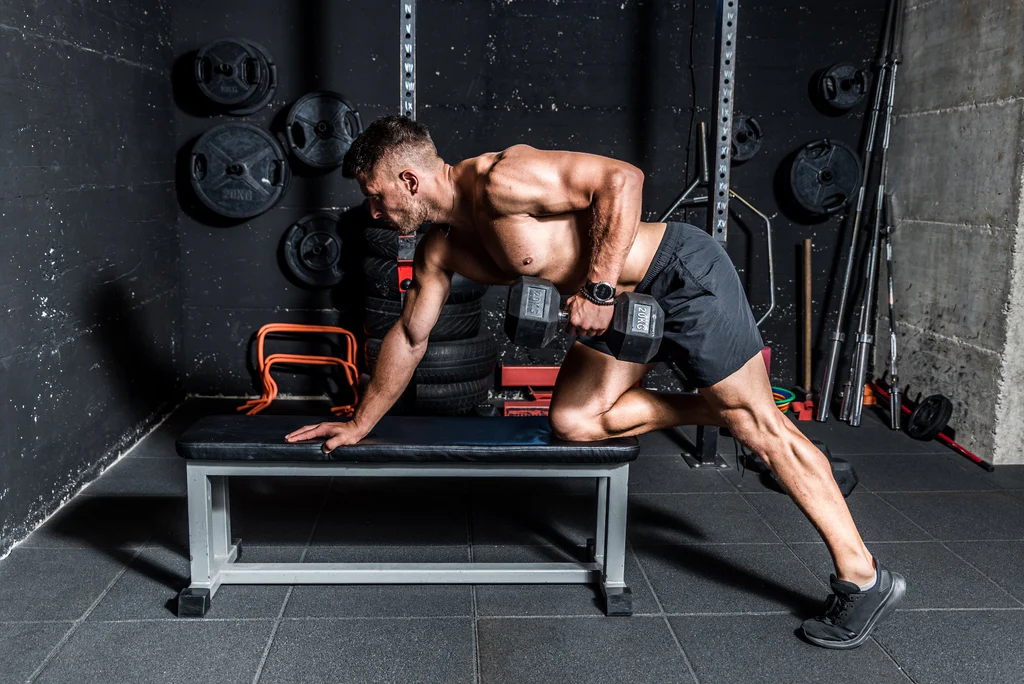
Now let us explore the most effective lat exercises with dumbbells and other back workouts with dumbbells that will help you build serious strength and muscle.
Dumbbell Rows for Complete Back Development
The dumbbell row stands as the foundation of any good back workout. This exercise targets multiple back muscles at once and allows you to lift heavy weight safely. To perform a proper dumbbell row, place one hand and knee on a bench for support while letting the other arm hang down holding a dumbbell. Keep your back flat and parallel to the ground, then pull the weight up toward your hip, focusing on squeezing your shoulder blade back and in.
The key to getting maximum results from rows is controlling the weight throughout the entire movement. Do not jerk the weight up or let it drop quickly. Instead, pull smoothly for two seconds, pause at the top for one second, and lower for three seconds. This controlled tempo keeps constant tension on your muscles and produces better growth.
Many people make the mistake of rotating their torso as they row, which takes work away from the back muscles. Keep your shoulders square and avoid twisting. Think about pulling your elbow straight back rather than lifting the weight up. This small mental shift helps you feel the exercise in the right places.
Incline Bench Rows for Lower Lat Focus
Setting up an adjustable bench at a 45 degree angle creates an excellent position for rowing movements. Lie face down on the bench with a dumbbell in each hand hanging toward the floor. From this position, pull both weights up toward your chest, keeping your elbows close to your body. This angle emphasizes your lower lats and middle back muscles.
The incline bench provides stability that removes any temptation to use momentum or swing the weights. Your chest stays pressed against the pad throughout the entire set, which forces your back muscles to do all the work. This strict form leads to better muscle activation and faster results.
Romanian Deadlifts With Dumbbells
While often thought of as a leg exercise, the Romanian deadlift works your entire posterior chain, including your lower back, upper back, and traps. Stand holding dumbbells at your sides, then push your hips back while keeping your back straight. Lower the weights along your shins until you feel a good stretch in your hamstrings, then squeeze your glutes and stand back up.
This movement teaches you how to maintain proper back position under load, which transfers to better performance in all your other exercises. The constant tension on your spinal erectors and upper back muscles builds the foundation for a strong, injury resistant back.
Dumbbell Pullovers for Lat Stretch
Lie across a bench so only your shoulders rest on the surface, with your feet planted firmly on the floor. Hold a single dumbbell with both hands above your chest, then slowly lower it back over your head in an arc motion. Stop when you feel a good stretch in your lats, then pull the weight back to the starting position.
Pullovers provide a unique stretching component that other exercises cannot match. This stretch under load stimulates muscle growth and improves shoulder mobility. Just be careful not to go too deep if you have shoulder issues, and always control the weight rather than letting it pull your arms back.
Renegade Rows for Core and Back
Get into a push up position with a dumbbell in each hand. Perform a push up, then at the top, row one dumbbell up to your chest while balancing on the other arm and your feet. Alternate sides after each push up. This challenging exercise combines back work with core stability training.
The beauty of renegade rows lies in their efficiency. You get chest work from the push up, back work from the row, and core work from maintaining the plank position throughout. This makes them perfect for home workouts when you want maximum results in minimum time.
Creating Effective Back Workouts With Dumbbells
Having great exercises is only part of the equation. You also need to know how to put them together into effective workouts. A good back dumbbell workout should include exercises that target all the different back muscles from various angles.
Start your workout with compound movements like dumbbell rows or Romanian deadlifts. These exercises allow you to use heavier weights and work multiple muscle groups, so they should come first when you have the most energy. Aim for three to four sets of six to ten repetitions with challenging weight.
After your main compound exercises, move to isolation movements that focus on specific muscles. This might include rear delt flys or dumbbell pullovers. Use lighter weights and higher repetitions, typically three sets of twelve to fifteen reps. This combination of heavy and light work ensures complete muscle development.
Rest periods matter more than most people realize. Between heavy sets, rest for two to three minutes to allow your muscles and nervous system to recover fully. For lighter isolation exercises, one to two minutes is sufficient. Do not rush through your workout trying to finish quickly. Quality work with proper rest produces better results than hurried training.
Progressive overload is the secret to continued improvement. Each week, try to do slightly more than the previous week. This might mean adding one more rep, using a slightly heavier weight, or performing an extra set. Small, consistent improvements add up to dramatic changes over months and years.
Sample Beginner Back Workout
If you are new to back training, start with this simple routine twice per week. Perform dumbbell rows for three sets of ten reps per arm, then do incline bench rows for three sets of twelve reps. Finish with dumbbell pullovers for three sets of fifteen reps. This basic program builds a solid foundation of strength and muscle.
Sample Advanced Back Workout
More experienced lifters can handle greater volume and intensity. Try this routine once or twice weekly: Start with Romanian deadlifts for four sets of eight reps, followed by dumbbell rows for four sets of ten reps per arm. Add renegade rows for three sets of eight reps per side, then finish with rear delt flys for three sets of fifteen reps.
Common Mistakes to Avoid With Back Dumbbell Exercises
Many people struggle to build their back muscles because they make preventable mistakes. Understanding these errors helps you avoid wasted effort and potential injuries.
Using too much weight is probably the most common mistake. Your ego might want to lift heavy, but if you cannot control the weight through a full range of motion with good form, you need to use lighter dumbbells. Focus on feeling your back muscles work rather than just moving weight from point A to point B.
Another frequent problem is not pulling far enough back. Many people stop their rows when the weight reaches their stomach level, but you should pull until the dumbbell touches your hip and your elbow extends well behind your torso. This full range of motion ensures complete muscle fiber recruitment.
Holding your breath during sets is dangerous and reduces your strength. Breathe out as you pull the weight toward you and breathe in as you lower it. Proper breathing keeps your blood pressure stable and provides oxygen to your working muscles.
Neglecting the negative portion of each rep wastes half your potential gains. The lowering phase of an exercise causes significant muscle damage and growth stimulation. Take three to four seconds to lower each weight under control rather than letting it drop quickly.
Failing to engage your core creates instability and increases injury risk. Before every set, take a deep breath, brace your abs like someone is about to punch you in the stomach, and maintain that tension throughout the set. This core stability protects your spine and improves your lifting performance.
Nutrition and Recovery for Back Muscle Growth
You cannot build a strong back through exercise alone. Your muscles grow during rest periods when your body repairs the damage caused by training. Make sure you sleep seven to nine hours per night to maximize recovery and muscle growth.
Protein is essential for building new muscle tissue. Aim for roughly one gram of protein per pound of body weight daily. Good sources include chicken, fish, eggs, dairy products, and protein supplements if needed. Spread your protein intake throughout the day rather than trying to eat it all in one meal.
Staying hydrated helps your muscles function properly and recover faster. Drink water consistently throughout the day, not just during workouts. A good rule is to drink half your body weight in ounces of water daily. If you weigh 160 pounds, that means 80 ounces of water.
How to Progress Your Back Training Over Time
As your strength increases, you need to keep challenging your muscles to continue making gains. Several strategies can help you progress without always needing heavier dumbbells.
Slowing down your repetitions increases time under tension, which stimulates more muscle growth. Try taking five seconds to lower the weight instead of three. This makes lighter weights feel much harder and produces excellent results.
Adding pauses at the peak contraction forces your muscles to work harder. When you reach the top of a row, hold that position for two to three seconds before lowering. This isometric contraction builds strength and helps you develop better mind muscle connection.
Increasing your training volume by adding extra sets or exercises provides a new stimulus for growth. If you have been doing three sets, try four or five. If you have been doing two back exercises per workout, add a third. Just increase gradually to avoid overtraining.
Safety Tips for Back Training
Protecting your back while building your back might sound funny, but it is crucial. Always warm up before lifting heavy weights. Spend five to ten minutes doing light cardio and dynamic stretches to increase blood flow and prepare your muscles for work.
Never round your back during exercises, especially Romanian deadlifts. Keep your spine neutral and chest up throughout all movements. If you feel your form breaking down, stop the set even if you have not completed all your planned reps.
Listen to your body and distinguish between good muscle burn and bad joint pain. Muscle fatigue and soreness are normal and expected. Sharp pains, especially in joints or tendons, signal a problem that requires rest or medical attention.
Frequently Asked Questions About Dumbbell Back Exercises
How often should I train my back with dumbbells?
Most people get best results training their back two to three times per week. This frequency provides enough stimulus for growth while allowing adequate recovery time. If you are a beginner, start with twice weekly and see how your body responds. Make sure you have at least one full day of rest between back workouts to let your muscles recover.
Can I build a big back using only dumbbells?
Yes, absolutely. Many people have built impressive backs using nothing but dumbbells. The key is progressive overload, meaning you gradually increase the challenge over time through heavier weights, more reps, or more sets. Dumbbells allow you to work all the major back muscles effectively, and many professional bodybuilders still include dumbbell exercises in their routines.
What weight dumbbells should I use for back exercises?
The right weight depends on your current strength level and the specific exercise. For heavy compound movements like rows, you might use 25 to 50 pound dumbbells or more. For isolation exercises like rear delt flys, you might only need 10 to 20 pounds. Choose a weight that allows you to complete your target reps with good form while making the last two or three reps challenging.
Why do I not feel my back working during rows?
This common problem usually comes from using too much weight or poor form. Try using lighter dumbbells and focusing on pulling your elbow straight back rather than lifting the weight up. Think about squeezing your shoulder blade toward your spine at the top of each rep. You might also try slowing down your reps to three seconds up, one second pause, and three seconds down. This increased time under tension helps you feel the target muscles working.
Should I do back exercises with dumbbells on the same day as other muscle groups?
This depends on your overall training program. Many people pair back with biceps since both involve pulling movements and your biceps assist during most back exercises. Others prefer a push pull split, training back and biceps one day, chest and triceps another day. Some advanced lifters dedicate entire workouts to just back exercises. All these approaches can work, so choose what fits your schedule and recovery ability.
How long before I see results from back dumbbell workouts?
You should feel stronger within two to three weeks of consistent training. Visible muscle growth typically becomes noticeable after six to eight weeks of proper training and nutrition. Everyone progresses at different rates based on genetics, diet, sleep, and training intensity. Take progress photos monthly to track changes that might be hard to see day to day.
Building Your Back Changes Everything
Your back muscles play a vital role in almost every physical activity you do throughout the day. A strong back improves your posture, making you stand taller and look more confident. It protects your spine from injury during daily activities like bending, lifting, and carrying. Back strength also translates directly to better performance in sports and other exercises.
Back workouts with dumbbells offer a practical, effective way to build strength regardless of where you train or what equipment you own. The exercises we have covered work for everyone from complete beginners to advanced athletes. Start with basic movements like dumbbell rows, focus on perfect form, and progressively increase the challenge over time.
Remember that building an impressive back takes patience and consistency. You will not transform overnight, but stick with your training program, eat adequate protein, get enough sleep, and the results will come. Every workout is an investment in your future health and fitness.
Take action today by choosing three or four exercises from this guide and performing them twice this week. Your back will thank you, your posture will improve, and you will feel stronger in everything you do. Visit HealthGuiders.com for more fitness guides, workout tips, and health information to support your journey toward a stronger, healthier body. Start building the back you want today.