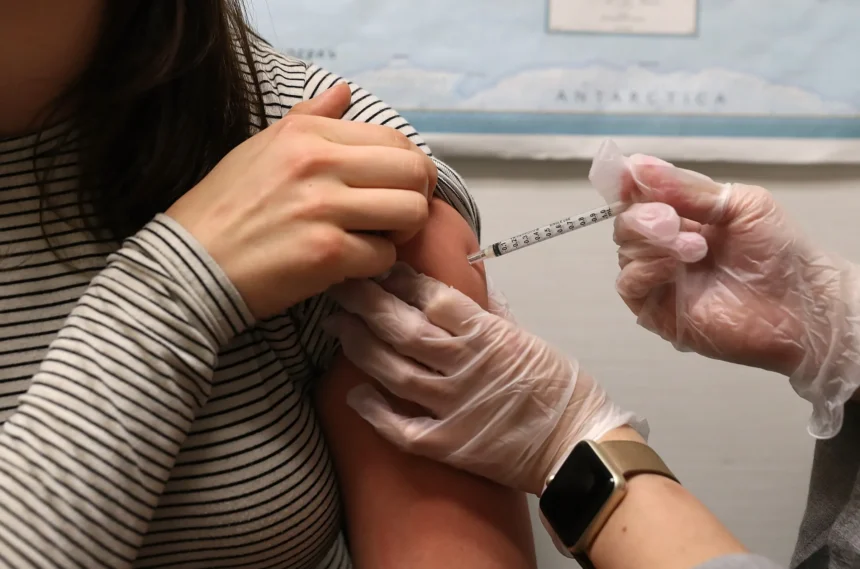
The flu season of 2025-2026 has emerged as one of the most concerning in recent years, with deaths and hospitalizations rising faster than healthcare experts expected. Understanding the connection between flu deaths this year and flu shots can help you make informed decisions about protecting yourself and your loved ones during this challenging respiratory illness season.
Current State of Flu Deaths This Year
The 2025-2026 flu season has shown alarming numbers that demand our attention. According to the Centers for Disease Control and Prevention, there have been approximately 3,100 deaths from flu this season as of late December 2025. These numbers represent lives lost to a preventable disease, making it crucial to understand the severity of this year’s flu outbreak.
What makes these statistics even more concerning is the rapid pace at which cases are spreading. More than 7.5 million people have fallen ill with the flu since October 2025, and over 81,000 individuals have required hospital care. The numbers show that flu activity has reached high or very high levels in 32 states and territories across the United States.
The tragic loss extends to our youngest population as well. Eight children have died from flu-related complications this season, with five of those deaths reported in just one week in mid-December. These pediatric deaths remind us that flu is not just a minor illness but can have devastating consequences for people of all ages.
Why This Flu Season Is Different
Healthcare professionals across the country have noticed something unusual about the 2025-2026 flu season. The virus arrived on time, as expected in October, but the speed at which cases are increasing is remarkable compared to previous years.
The main culprit behind this surge is a new strain of influenza called H3N2 subclade K. This variant emerged in Europe during the summer of 2025, after scientists had already decided which strains to include in this year’s flu vaccine. The new strain contains seven genetic mutations that help it evade some of the immune protection our bodies might have from previous flu infections or vaccinations.
Doctors and virologists have nicknamed this variant “super flu” because of how quickly it spreads through communities. However, medical experts emphasize that while it spreads rapidly, there is no evidence it causes more severe illness than other flu strains. The concern is primarily about the number of people getting sick at once, which can overwhelm hospitals and healthcare systems.
Hospitals nationwide have reported seeing a tremendous surge in patients. In some regions, emergency departments have experienced double the number of flu cases compared to typical years. The rapid escalation means healthcare workers are managing more sick patients than they would normally see at this point in the flu season.
How Flu Shots Work to Prevent Deaths
Flu shots remain one of the most effective tools we have to reduce deaths from influenza. Understanding how they work helps explain why vaccination is so important, even during challenging flu seasons.
When you receive a flu shot, your body gets exposed to inactive pieces of flu viruses. These pieces cannot make you sick, but they train your immune system to recognize and fight the real flu virus if you encounter it later. Your body produces antibodies, which are special proteins that attack and destroy flu viruses before they can make you seriously ill.
The protection from flu shots goes beyond just preventing infection. Even if you get the flu after being vaccinated, the vaccine significantly reduces your chances of developing severe complications that could lead to hospitalization or death. Studies consistently show that vaccinated individuals who do get sick experience milder symptoms and recover faster than those who were not vaccinated.
This season, approximately 130 million doses of flu vaccine have been distributed across the United States. The vaccine contains protection against three main flu strains, including the H1N1 and influenza B viruses. While the H3N2 component may not perfectly match the new subclade K variant, the vaccine still provides valuable protection.
Research from the United Kingdom, which experienced an early flu surge this year, suggests the flu vaccine is about 30 to 40 percent effective at preventing hospitalization in adults. These numbers fall within the typical range of flu vaccine effectiveness. Historical data shows flu vaccines generally range from 40 to 60 percent effectiveness, varying based on how well the vaccine matches circulating strains.
Who Needs Flu Shots Most
The Centers for Disease Control and Prevention recommends that everyone aged six months and older should receive an annual flu vaccination. However, certain groups face higher risks from flu complications and should prioritize getting vaccinated as soon as possible.
Young children, especially those under five years old, are particularly vulnerable to serious flu complications. Their immune systems are still developing, making it harder for them to fight off infections. The eight pediatric deaths this season underscore the importance of vaccinating children to protect them from this potentially deadly virus.
Older adults aged 65 and above also face increased risks from flu. As we age, our immune systems become less effective at fighting infections, and existing health conditions can make flu complications more dangerous. People in this age group are more likely to develop pneumonia, which is one of the leading causes of flu-related deaths.
Pregnant women need flu shots to protect both themselves and their unborn babies. When a pregnant woman gets vaccinated, she passes antibodies to her baby through the placenta. These antibodies continue protecting the infant for several months after birth, during a time when babies are too young to receive their own flu shots.
People with chronic health conditions such as asthma, diabetes, heart disease, or weakened immune systems should also prioritize flu vaccination. These conditions make it harder for the body to recover from flu and increase the risk of serious complications. Just as understanding how is Gloria Copeland health involves monitoring overall wellbeing, managing your health during flu season requires proactive prevention through vaccination.
Healthcare workers and people who live in nursing homes or long-term care facilities face higher exposure to flu viruses and should get vaccinated to protect themselves and the vulnerable people around them.
Safety and Side Effects of Flu Shots
Many people hesitate to get flu shots because of concerns about safety and side effects. Understanding what to expect can help ease these worries and encourage more people to get vaccinated.
The flu vaccine has been safely used for decades, with millions of doses administered each year. The most common side effects are mild and temporary. You might experience soreness, redness, or swelling at the injection site. Some people feel tired or develop a low-grade fever or body aches for a day or two after vaccination.
These mild reactions actually show that your immune system is responding to the vaccine and building protection. They typically go away on their own within one to two days and are far less serious than actually getting the flu.
Serious side effects from flu shots are extremely rare. Severe allergic reactions occur in fewer than one in a million doses. Medical professionals who give vaccines are trained to recognize and treat allergic reactions if they occur.
One important clarification is that flu shots cannot give you the flu. The vaccines contain either inactivated virus pieces or no flu virus at all, making it impossible for them to cause flu infection. If you feel sick after getting vaccinated, you either caught a cold or were already incubating the flu before getting your shot.
For the 2025-2026 season, health authorities recommend using flu vaccines that do not contain thimerosal as a preservative, especially for children under 18, pregnant women, and all adults. Most flu vaccines available this season meet this recommendation.
Taking Action to Protect Yourself
Getting vaccinated is the single most important step you can take to reduce your risk of flu death or serious complications. Even though we are well into the flu season, it is definitely not too late to get your flu shot. The vaccine takes about two weeks to provide full protection, and flu activity typically continues through March or April.
If you have not been vaccinated yet, contact your healthcare provider, pharmacy, or local health department to schedule your flu shot. Many pharmacies offer walk-in flu vaccinations without an appointment, making it convenient to protect yourself.
Beyond vaccination, you can take additional steps to reduce your risk of getting or spreading the flu. Wash your hands frequently with soap and water for at least 20 seconds, especially after being in public places. If soap and water are not available, use hand sanitizer with at least 60 percent alcohol.
Wearing a high-quality mask, such as an N95 or KN95, in crowded indoor spaces or on public transportation can significantly reduce your exposure to flu viruses. This is especially important during periods of high flu activity in your community.
If you do get sick with flu symptoms such as fever, cough, sore throat, body aches, or fatigue, stay home to avoid spreading the virus to others. Contact your healthcare provider within the first 48 hours of symptoms, as antiviral medications work best when started early and can reduce the severity and duration of flu illness.
Looking at Prevention Statistics
The impact of flu vaccination on preventing deaths becomes clear when we examine the data. During typical flu seasons, vaccination prevents thousands of deaths among adults and children. Even in seasons when the vaccine is not a perfect match to circulating strains, vaccinated individuals experience significantly better outcomes than unvaccinated people.
Historical data shows that flu causes between 12,000 to 52,000 deaths annually in the United States, with numbers varying based on the severity of each season and vaccination rates. During the 2024-2025 flu season, which ended last spring, there were 288 pediatric deaths reported by the end of the season. The current season’s death toll continues to rise as we move deeper into winter months.
Hospitalization rates tell an important part of the story as well. This season has seen hospitalizations nearly double in single weeks during peak activity. In one week in December 2025, flu-related hospital admissions jumped from about 9,944 to 19,053 patients. These sudden surges strain hospital resources and highlight why prevention through vaccination is so critical.
The economic impact of flu deaths and illnesses extends beyond healthcare costs. Flu-related deaths represent lost productivity, emotional trauma for families, and preventable suffering that affects entire communities. Every flu death prevented through vaccination represents not just a life saved but also the preservation of families and communities.
Common Questions People Ask About Flu Deaths and Vaccines
Understanding the relationship between flu deaths and vaccination helps answer many questions people have during flu season.
Some wonder why flu deaths still occur despite vaccines being available. The reality is that not everyone gets vaccinated, leaving millions of people vulnerable. Additionally, no vaccine is 100 percent effective, but even partial protection dramatically reduces the risk of death and serious complications.
Others ask whether healthy people need flu shots. The answer is yes. Even healthy individuals can develop serious flu complications, and they can spread the virus to vulnerable people around them. Getting vaccinated protects both you and your community.
Questions about vaccine timing are common. While getting vaccinated in September or October is ideal, getting a flu shot any time during the flu season provides valuable protection. The season typically lasts through May, so it is never too late to benefit from vaccination.
Frequently Asked Questions
What is the main cause of flu deaths?
The main cause of flu deaths is complications that develop from the initial infection. These complications include pneumonia, which is inflammation of the lungs, respiratory failure, and worsening of existing chronic health conditions like heart disease or diabetes. The flu virus weakens the body’s defenses, making it easier for bacterial infections to take hold. Older adults, young children, and people with weakened immune systems face the highest risk of developing these deadly complications.
Can most flu deaths be prevented?
Yes, a significant number of flu deaths can be prevented through vaccination and prompt medical treatment. Research shows that getting vaccinated each year is the most effective way to reduce your risk of dying from flu. When combined with early antiviral treatment for people who do get sick, proper hand hygiene, and staying home when ill, we could prevent many of the thousands of flu deaths that occur each season.
How do flu shots protect against death?
Flu shots work by training your immune system to recognize and fight flu viruses before they can make you seriously ill. Even if you get the flu after being vaccinated, the vaccine significantly reduces the severity of your illness. This means you are much less likely to develop the dangerous complications that can lead to hospitalization and death. Studies consistently show that vaccinated people who get the flu have milder symptoms and faster recovery times.
Is it safe to get a flu shot every year?
Yes, getting a flu shot every year is completely safe for most people. The flu vaccine has been used for decades with an excellent safety record. Millions of people receive flu shots annually with only minor, temporary side effects like arm soreness or mild fatigue. Serious reactions are extremely rare. The benefits of annual vaccination far outweigh any risks for nearly everyone aged six months and older.
Why are there still flu deaths despite vaccines?
Flu deaths continue to occur for several reasons. First, not everyone gets vaccinated, leaving many people unprotected. Second, flu vaccines are not 100 percent effective, though they still dramatically reduce the risk of death. Third, some people have weakened immune systems that do not respond as well to vaccines. Finally, the flu virus constantly changes, which can reduce vaccine effectiveness in some years. Despite these challenges, vaccination remains our best defense against flu deaths.
Who is most at risk of dying from flu this year?
The people most at risk of dying from flu this year include adults aged 65 and older, young children especially under age five, pregnant women, and anyone with chronic health conditions like asthma, diabetes, heart disease, or weakened immune systems. People living in nursing homes or long-term care facilities also face higher risks. The eight pediatric deaths this season remind us that flu can be deadly at any age, making vaccination important for everyone.
What should I do if I get flu symptoms?
If you develop flu symptoms like fever, cough, sore throat, body aches, or extreme fatigue, contact your healthcare provider right away, especially within the first 48 hours. They may prescribe antiviral medications that can reduce the severity and length of your illness. Stay home to avoid spreading the virus to others, get plenty of rest, drink lots of fluids, and take over-the-counter medications as directed to relieve symptoms. Seek emergency care if you have difficulty breathing, chest pain, severe dizziness, or symptoms that improve then suddenly worsen.
Taking Responsibility for Community Health
Protecting yourself through flu vaccination contributes to the health of your entire community. When more people get vaccinated, fewer people get sick, which reduces the overall spread of flu viruses. This concept, called community immunity, helps protect people who cannot get vaccinated due to age or medical conditions.
Every person who gets a flu shot this season helps reduce the burden on our healthcare system. With hospitals already strained by the high number of flu patients, vaccination becomes an act of community responsibility. By protecting yourself, you also help ensure hospital beds and medical resources remain available for people who need them most.
The choice to get vaccinated affects more than just your own health. It impacts your family members, coworkers, and everyone you encounter in your daily life. Young children, elderly relatives, and immunocompromised friends depend on the healthy people around them to reduce their exposure to dangerous viruses.
At HealthGuiders, we believe in empowering people with accurate health information to make informed decisions. Understanding the real risks of flu deaths this year and the proven benefits of flu shots helps you take control of your health and protect the people you care about.
Moving Forward Through Flu Season
As we continue through the 2025-2026 flu season, the numbers of deaths and hospitalizations serve as a sobering reminder that influenza remains a serious threat to public health. The 3,100 deaths reported so far represent individual tragedies and families forever changed by a preventable disease.
While the new H3N2 subclade K variant has made this season particularly challenging, the fundamental tools for protection remain the same. Vaccination, good hygiene practices, staying home when sick, and seeking prompt medical care when needed can dramatically reduce your risk of joining the statistics of flu deaths this year.
Healthcare providers emphasize that it is not too late to get vaccinated. Flu activity typically peaks between December and February but can continue well into spring. Every day you wait is another day you remain vulnerable to a virus that is actively circulating at high levels across the country.
Take action today to protect yourself and your loved ones. Schedule your flu shot, practice good hand hygiene, and stay informed about flu activity in your community. Your decision to get vaccinated could save your life or the life of someone you love.
Remember that prevention is always easier than treatment. The few minutes it takes to get a flu shot provide months of protection during the season when flu deaths are most likely to occur. Make the choice to protect yourself and become part of the solution to reducing flu deaths in your community.
If you have questions or concerns about flu vaccination, talk to your healthcare provider. They can address your specific situation and help you make the best decision for your health. Together, we can work toward a future with fewer flu deaths and healthier communities for everyone.
Visit HealthGuiders regularly for updates on flu season, vaccination information, and tips for staying healthy throughout the year. Your health matters to us, and we are committed to providing you with the reliable information you need to make informed decisions about your wellbeing.
Medical Disclaimer
This article is for informational purposes only and does not constitute medical advice. Always consult a qualified healthcare professional before starting, stopping, or changing any medication, supplement, or treatment.
This content does not promote the sale or use of prescription medications. Information about drugs or therapies is provided for educational purposes only and should not be interpreted as medical guidance. Dosage, effectiveness, and suitability vary from person to person and must be determined by a licensed healthcare provider.