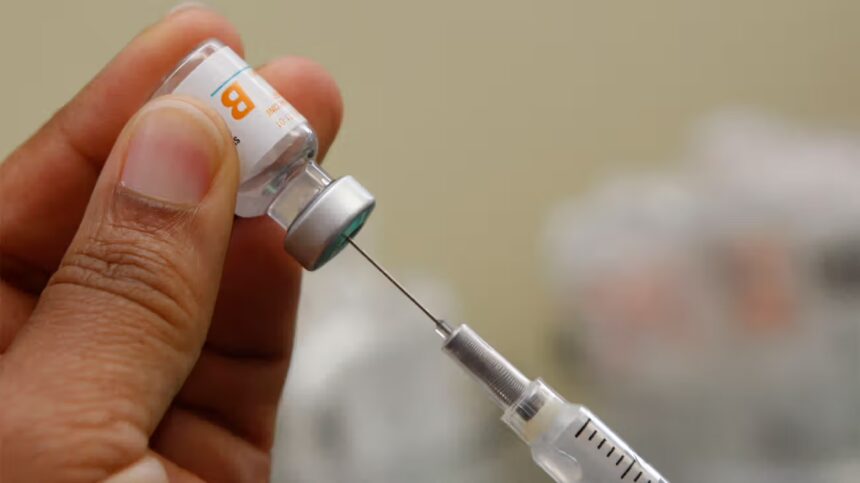
The CDC hepatitis B vaccine schedule is one of the most important vaccination guidelines for protecting people from the hepatitis B virus (HBV). Hepatitis B is a serious liver infection that can spread through blood, body fluids, or from mother to baby at birth. Because the virus can cause lifelong health issues, following the approved CDC guidelines for the Hep B vaccine is important for fast protection, long-term immunity, and overall public health.
In this detailed guide, we will explain the CDC hepatitis B vaccine schedule for newborns, children, adults, and healthcare workers. We will also answer common questions such as: What is the schedule for the Hep B vaccine? What happens if the Hepatitis B vaccine 2nd dose is delayed? And how much vaccine dose is required for adults?
What is hepatitis B and why is vaccination important?
Hepatitis B is a viral infection that affects the liver. It can be either acute (short-term) or chronic (long-term). People with chronic hepatitis B may develop liver failure, cirrhosis, or liver cancer.
The virus spreads through unprotected sex, sharing needles, accidental blood exposure, and from infected mothers to newborn babies. Because infants and young children have a higher chance of developing chronic infection, the CDC and ACIP strongly recommend early vaccination. The hepatitis B vaccine is safe, effective, and provides long-term protection.
Understanding the CDC hepatitis B vaccine schedule
The CDC and ACIP (Advisory Committee on Immunization Practices) publish clear guidelines for the Hep B vaccine, covering doses for newborns, children, adults, and healthcare workers. These schedules are updated regularly to ensure fast and effective immunity for all age groups.
Below is the full 2025 CDC hepatitis B vaccine schedule explained in simple words.
CDC hepatitis B vaccine schedule for newborns
The hepatitis B vaccine for newborns is extremely important because babies infected at birth have a 90% chance of developing lifelong infection.
The CDC recommends a 3-dose schedule for newborns:
- First dose at birth
- Second dose at 1–2 months
- Third dose at 6–18 months
The first dose should be given within 24 hours of birth, especially if the mother’s health status is unknown.
If the mother is hepatitis B positive, the newborn must receive both the hepatitis B vaccine and HBIG (Hepatitis B Immune Globulin) at birth to prevent infection.
Early protection is one of the best steps parents can take to support their child’s long-term health.
CDC hepatitis B vaccine schedule for children and teens
If a child did not receive the vaccine at birth, catch-up vaccination is still possible. The CDC recommends the following catch-up schedule for children and teenagers:
- Dose 1: At any age
- Dose 2: At least 1 month after dose 1
- Dose 3: At least 6 months after dose 1
This ensures complete protection even if the vaccination was missed earlier.
Parents often ask: What is the minimum age for the Hep B vaccine?
Children can safely receive the vaccine as early as birth, and catch-up doses can be given at any time.
CDC hepatitis B vaccine schedule for adults
Adults who were never vaccinated should follow the CDC hepatitis B vaccine schedule for adults. Most adults receive a 3-dose or 2-dose schedule depending on the vaccine brand.
The 3-dose schedule (most common):
- Dose 1: Day 0
- Dose 2: 1 month after dose 1
- Dose 3: 6 months after dose 1
The 2-dose schedule (Heplisav-B for adults):
- Dose 1: Day 0
- Dose 2: 1 month after dose 1
The 2-dose option offers faster protection, which is useful for people who want quick immunity.
Hepatitis B vaccine schedule for adults in India
In India, the schedule is similar to the CDC 3-dose pattern:
- First dose: Day 0
- Second dose: After 1 month
- Third dose: After 6 months
Some adult vaccines may use different volumes, but most Hepatitis B vaccine dose for adults is 1 mL.
CDC hepatitis B vaccination guidelines for healthcare workers
Healthcare workers are at higher risk because they frequently handle blood and needles. The CDC recommends:
3-dose Hep B vaccine schedule
HBsAg testing to confirm immunity
Booster dose only if antibody levels fall below recommended limits
Checking immunity is important for professionals working in hospitals, labs, and clinics.
What if the Hepatitis B vaccine 2nd dose is delayed?
Many people worry about delays. The good news is, you do not need to restart the series.
If dose 2 is delayed:
Take the dose as soon as possible
Continue with dose 3 following the correct minimum gap
Vaccines do not lose effectiveness just because of delay, but completing the series is important for full protection.
Why following the CDC Hep B vaccine schedule matters
Following the CDC hepatitis B vaccine schedule helps:
Build immunity faster
Prevent mother-to-child transmission
Protect healthcare workers and high-risk groups
Reduce liver cancer and cirrhosis risks
Strengthen public health
Vaccination is a simple step but provides powerful lifelong protection.
Safety of the hepatitis B vaccine
Some discussions online, including opinions from public figures like RFK Jr, often mention vaccine concerns. According to CDC and WHO, the hepatitis B vaccine is safe. It has been used for more than 40 years, with millions of people protected worldwide.
Side effects are usually mild, such as soreness or low fever, and serious reactions are extremely rare.
Always discuss with a doctor if you have questions about the vaccine.
Tips for parents to follow the Hep B vaccine schedule
Parents sometimes ask if the Hep B vaccine is needed for newborns. The answer is yes. Giving the vaccine at birth prevents lifelong infection and protects your child early.
To make it easier:
Keep track of vaccination dates
Ask your doctor to update your child’s health card
Use reminders in your phone
Schedule follow-up visits early
Following the schedule helps your child stay healthy and protected.
When adults should consider Hep B vaccination
Adults should take the hepatitis B vaccine if they:
Never received the vaccine before
Work in healthcare
Travel to areas with high infection rates
Have diabetes or liver disease
Live with someone who has hepatitis B
Are planning pregnancy
The vaccine is safe for all healthy adults and most pregnant people.
FAQs about the CDC hepatitis B vaccine schedule
What are the CDC guidelines for Hep B vaccine schedule?
The CDC recommends a 3-dose schedule for newborns and children. Adults can take either a 2-dose or 3-dose schedule depending on the vaccine type.
What is the schedule for the Hep B vaccine?
Most people follow the 3-dose schedule at 0, 1 month, and 6 months.
What is the schedule for the Hepatitis B vaccine for adults?
Adults can take either 2 doses (1 month apart) or 3 doses (over 6 months).
Hepatitis B vaccine schedule for adults dose in mL?
The standard adult dose is 1 mL.
What happens if the Hep B vaccine 2nd dose is delayed?
Nothing serious. You do not need to restart the series. Just continue where you left off.
Hep B vaccine for newborns is given when?
The first dose is given within 24 hours of birth.
Are booster doses required?
Most healthy people do not need boosters.