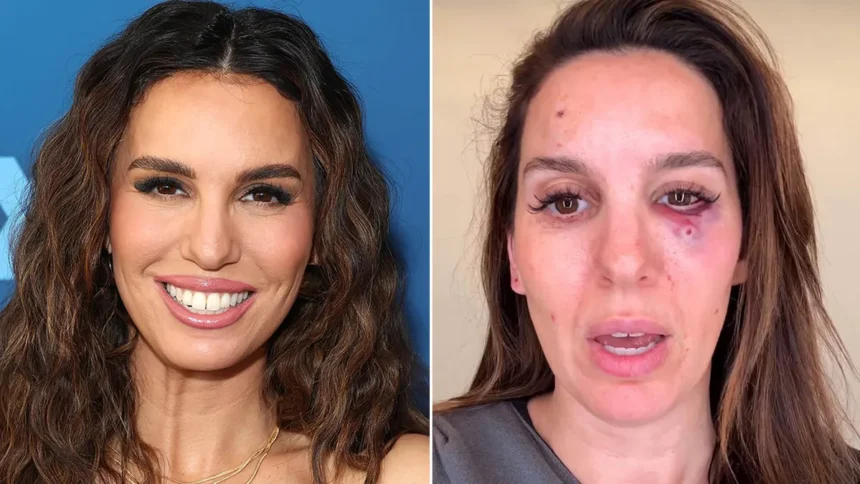
Former Disney Channel icon Christy Carlson Romano broke hearts across the internet this week when she tearfully revealed shocking health news that has fans sending prayers and support. The 41-year-old actress, beloved for her roles as Ren Stevens on “Even Stevens” and as the voice of Kim Possible, shared in an emotional Instagram video on February 18, 2026, that her recent cancer screening came back positive—a stark contrast to her husband’s negative results from the same test.
This devastating revelation comes barely a year after Christy Carlson Romano survived a near-fatal shooting accident that nearly cost her an eye, and just days after the tragic loss of fellow Disney actor James Van Der Beek to colorectal cancer. As the mother of two young daughters faces what may be the biggest fight of her life, her courage in sharing this vulnerable moment has sparked an important conversation about cancer screenings, family health history, and why early detection matters now more than ever in 2026.
In this comprehensive article, you’ll discover everything about Christy Carlson Romano’s current health situation, understand what a positive cancer screening truly means, learn why her decision to speak publicly could save lives, and find out how you choose better health outcomes through proactive screening—just as this Disney legend is now advocating.
Quick Answer Box
What Happened to Christy Carlson Romano?
Christy Carlson Romano, the beloved Disney Channel star, announced on February 18, 2026, that she received positive results from a cancer screening test, indicating she may have stageable cancer.
Key Facts:
- Age: 41 years old, mother of two daughters (Isabella, 9, and Sofia, 7)
- Test Results: Positive cancer screening; husband’s results were negative
- Next Steps: Awaiting PET scan approval while fighting with insurance company for coverage
- Family History: Both parents had cancer (father died from it); maternal grandmother died from lung cancer
- Motivation: James Van Der Beek’s recent death from colorectal cancer prompted her to get screened
- Message: Encouraging fans to prioritize early cancer screenings because “you choose better” outcomes with early detection
Table of Contents
- Who is Christy Carlson Romano?
- The Emotional Health Announcement
- Understanding Cancer Screening vs. Cancer Diagnosis
- Christy Carlson Romano’s Family Cancer History
- The James Van Der Beek Connection
- What is a PET Scan and Why Does She Need One?
- The Insurance Battle She’s Facing
- Previous Health Crisis: The Shooting Accident
- Why You Choose Better: The Importance of Early Screening
- How Fans and Celebrities Are Responding
- Cancer Statistics in 2026
- Christy’s Upcoming Memoir and Career Projects
- FAQ Section
- Conclusion
Who is Christy Carlson Romano? A Disney Channel Legacy
Before diving into the current health crisis, it’s essential to understand why Christy Carlson Romano’s announcement has resonated so deeply with millions of fans worldwide. She isn’t just another celebrity—she’s a defining figure of early 2000s Disney Channel programming who shaped an entire generation’s childhood.
The Even Stevens Era (2000-2003)
Christy Carlson Romano skyrocketed to fame as Ren Stevens, the perfectionist older sister of Louis Stevens (played by Shia LaBeouf) on Disney Channel’s groundbreaking sitcom “Even Stevens.” The show ran for three successful seasons and earned Romano an Emmy nomination for Outstanding Children’s Program. Her portrayal of the responsible, straight-A student constantly at odds with her chaotic younger brother became iconic, making Ren Stevens one of the most memorable Disney Channel characters of all time.
The series finale movie, “The Even Stevens Movie” (2003), drew record viewership numbers and solidified the show’s place in Disney Channel history.
Kim Possible: An Animated Legacy (2002-2007)
Simultaneously, Christy Carlson Romano lent her voice to the title character in “Kim Possible,” Disney’s critically acclaimed animated series about a teenage crime-fighter balancing high school with saving the world. The show ran for four seasons and spawned two successful TV movies, with Romano’s voice work earning widespread praise for bringing depth, humor, and relatability to the action hero.
Kim Possible became a cultural phenomenon, inspiring a generation of young girls with its message of female empowerment. The franchise experienced a renaissance in 2019 with a live-action Disney Channel Original Movie, though Romano’s voice work in the original series remains the definitive version for fans.
Life After Disney: Broadway, Podcasting, and Advocacy
After her Disney Channel success, Christy Carlson Romano pursued a diverse career path:
Broadway Career: She starred in productions of “Avenue Q,” “Beauty and the Beast” (as Belle), and “The Fantasticks”
Digital Content Creation: Launched a successful YouTube channel with over 1 million subscribers, where she interviews former Disney stars about their experiences
Podcasting: Hosts the popular “Vulnerable” podcast, where she discusses mental health, addiction recovery, and the darker side of child stardom
Advocacy Work: Has been candid about her own struggles with alcohol abuse and the financial exploitation she experienced as a young star, using her platform to help others avoid similar pitfalls
This transparency and vulnerability have endeared her to a new generation of fans while maintaining the loyalty of those who grew up watching her on Disney Channel.
The Emotional Health Announcement That Shocked Fans
On Tuesday, February 18, 2026, Christy Carlson Romano posted a six-minute video to Instagram that immediately went viral, accumulating millions of views within hours. In the tearful message, she revealed news that no one wants to hear—but that millions face every year.
The Video That Broke Hearts
“I got the results back a little bit before filming down in Florida,” Romano began, her voice already shaky with emotion. She explained that she and her husband, Brendan Rooney, had both undergone comprehensive cancer screenings due to her significant family history of the disease.
Then came the devastating contrast: “My husband’s came back completely negative.” She paused for what felt like an eternity, taking a deep breath and visibly fighting back tears. “Mine did not come back negative. So basically what that means is that I may have stageable cancer.”
The raw emotion in that pause spoke volumes. This wasn’t a rehearsed announcement from a publicist—it was a frightened mother and wife sharing potentially life-altering news with the world in real-time.
Why She Chose to Share Publicly
Romano admitted in the video that she “debated whether or not I was going to post this because I was afraid I’d come off ‘cringe.'” However, she ultimately decided it was her “duty to share, so that people get out there and get screenings.”
This decision reflects the core message she’s been trying to convey: when you prioritize preventive health measures. By going public during what she calls “a very vulnerable time,” Romano is using her platform to potentially save lives—turning her personal crisis into a public service announcement.
The Immediate Impact
Within 24 hours of posting, the video had:
- Over 5 million views across social media platforms
- Tens of thousands of comments offering prayers and support
- Prompted discussions about cancer screening on major news outlets
- Inspired countless fans to schedule their own preventive screenings
The emotional authenticity of her announcement resonated far beyond her celebrity status. Christy Carlson Romano’s vulnerability made cancer screening feel personal and urgent rather than abstract and clinical.
Understanding Cancer Screening vs. Cancer Diagnosis: What Christy’s Results Actually Mean
One of the most important clarifications needed in Christy Carlson Romano’s situation is understanding exactly what a “positive cancer screening” means—because it’s not the same as a definitive cancer diagnosis.
What is a Cancer Screening Test?
Cancer screenings are medical tests designed to detect early signs of cancer before symptoms appear. These tests look for abnormalities, biomarkers, or cellular changes that could indicate cancer is present or developing. Common screening methods include:
- Blood tests checking for tumor markers or circulating tumor DNA
- Imaging tests like mammograms, CT scans, or MRIs
- Genetic tests identifying cancer-related mutations
- Multi-cancer early detection (MCED) tests that can screen for dozens of cancer types simultaneously
According to 2026 medical advances, several companies now offer comprehensive blood-based cancer screening tests that can detect signals from over 50 different cancer types. These tests have revolutionized preventive medicine but also created confusion about what positive results actually mean.
Positive Screening ≠ Confirmed Cancer Diagnosis
When Christy Carlson Romano says her screening “did not come back negative,” this indicates:
What It Means:
- An abnormality or biomarker was detected that suggests possible cancer
- Further diagnostic testing is absolutely necessary
- The screening has identified a concern that requires investigation
- She may have what’s called “stageable cancer” (meaning if cancer is present, it can be classified by stage)
What It Does NOT Mean:
- She definitely has cancer
- The cancer type, location, or stage is known
- Treatment must begin immediately
- The situation is hopeless
The Critical Distinction
Many people hear “positive cancer screening” and immediately think the worst, but medical professionals emphasize that screening tests have varying levels of specificity and sensitivity. False positives do occur, which is precisely why follow-up diagnostic testing (like the PET scan Romano is awaiting) is essential.
Dr. Michael Thompson, an oncologist at Memorial Sloan Kettering Cancer Center, explained to NBC News in 2026: “A positive screening test is like a smoke detector going off—it alerts you to potential danger and tells you to investigate further, but it doesn’t tell you if there’s actually a fire, where it is, or how severe it might be.”
Why Confirmatory Testing Matters
The next steps in Christy Carlson Romano’s journey—particularly the PET scan she’s fighting to get covered—will provide:
- Anatomical location of any suspicious activity
- Metabolic information showing where cells are abnormally active
- Staging information if cancer is confirmed
- Treatment guidance for medical teams
- Prognosis indicators for outcome expectations
This is why you choose better health outcomes by following through with all recommended diagnostic steps rather than panicking or, conversely, ignoring concerning results.
Christy Carlson Romano’s Family Cancer History: A Generational Shadow
One of the most compelling and tragic aspects of Christy Carlson Romano’s announcement is her family’s extensive history with cancer—a reality that influenced her decision to get screened in the first place.
Her Father’s Battle and Death
Romano revealed that her father was diagnosed with cancer and “eventually didn’t” beat it, indicating he passed away from the disease. While she hasn’t disclosed specific details about the type of cancer or timeline, the emotional weight of losing a parent to cancer clearly influenced her decision to prioritize screening.
Growing up watching a parent battle cancer leaves lasting impacts, including:
- Heightened awareness of symptoms and health changes
- Understanding the importance of early detection
- Genetic predisposition concerns
- Emotional trauma that makes one’s own diagnosis especially frightening
Her Mother’s Survival Story
In a rare positive note, Romano shared that her mother was diagnosed with cancer but “beat it,” making her a cancer survivor. This offers both hope and complicated emotions—Romano has seen both outcomes of a cancer diagnosis within her immediate family.
Her mother’s survival likely reinforced the message that through early detection and aggressive treatment, a lesson that clearly motivated Romano’s proactive screening approach.
Maternal Grandmother’s Lung Cancer
Romano also mentioned that her maternal grandmother died from lung cancer, adding another layer to her family’s cancer history. With cancer affecting both sides of her family and multiple generations, Christy faces what medical professionals call “significant family history”—a major risk factor that warrants more frequent and comprehensive screening.
The Genetic Component
When cancer appears multiple times in a family, especially across generations, it raises questions about genetic predisposition. Certain gene mutations—most famously BRCA1 and BRCA2, but also dozens of others—can dramatically increase cancer risk.
According to the National Cancer Institute’s 2026 guidelines, individuals with Christy Carlson Romano’s level of family history should consider:
- Genetic counseling to assess inherited risk
- Genetic testing for known cancer-related mutations
- Enhanced screening protocols starting at younger ages
- Risk-reduction strategies including lifestyle modifications and preventive medications
- Regular consultations with oncology specialists
The Psychological Burden
Living with extensive family cancer history creates constant anxiety. Romano has been open about mental health struggles throughout her career, and this added health concern compounds existing stresses.
“I’m sure people think I’m overreacting,” she said tearfully in her announcement video, “but I’m not, because cancer is pretty serious, and I have two little girls.”
This statement reveals the dual burden she faces: not only fearing for her own health but also worrying about the genetic legacy she may have passed to her daughters, Isabella (9) and Sofia (7).
The James Van Der Beek Connection: A Loss That Prompted Action
One of the most poignant aspects of Christy Carlson Romano’s announcement was her emotional tribute to actor James Van Der Beek, whose recent death from colorectal cancer directly influenced her decision to get screened.
Van Der Beek’s Tragic Death
James Van Der Beek, the beloved “Dawson’s Creek” star, passed away on February 11, 2026, at just 48 years old after a two-year battle with colorectal cancer. His death sent shockwaves through Hollywood and sparked renewed conversations about cancer screening, particularly for younger adults.
Van Der Beek had publicly announced his diagnosis in 2024, using his platform to raise awareness about the rising incidence of colorectal cancer in people under 50—a trend that medical researchers are still working to fully understand.
The Texas Community Connection
In her video, Christy Carlson Romano revealed a personal connection to Van Der Beek that many fans didn’t know about: “I was able to meet James Van Der Beek a bunch. His family’s amazing. He’s a pillar of our community in Texas.”
Both Romano and Van Der Beek were residents of Texas, where they participated in local charity events and community initiatives. Romano described Van Der Beek as someone who “always was raising money for the most amazing charities,” highlighting his generosity and community involvement beyond his acting career.
This wasn’t just a celebrity she admired from afar—it was someone she knew personally, whose death hit close to home both literally and figuratively.
Cancer is Everywhere: A Wake-Up Call
“He’s not with us anymore, and cancer is everywhere, which is why I got this test,” Romano said, her voice thick with emotion. Van Der Beek’s death served as the final push she needed to prioritize screening despite her busy schedule.
This statement—”cancer is everywhere”—reflects a sobering reality in 2026. Cancer rates continue to rise, particularly in younger demographics. The American Cancer Society reported in 2025 that colorectal cancer diagnoses in adults under 50 have increased by approximately 9% annually in recent years, a trend that claimed Van Der Beek’s life and scared countless others into action.
The Ripple Effect of Celebrity Health Advocacy
Van Der Beek’s openness about his cancer battle and Romano’s current transparency about her health scare represent a broader trend of celebrities using their platforms for health advocacy. When public figures share their medical journeys, research shows it creates measurable increases in screening rates—a phenomenon sometimes called the “Angelina Jolie effect” after the actress’s preventive mastectomy prompted millions of women to consider genetic testing.
Christy Carlson Romano explicitly hopes to create a similar ripple effect: “I decided it was my duty to share, so that people get out there and get screenings.” By connecting her decision to Van Der Beek’s tragic loss, she’s creating a powerful narrative about how you choose better health outcomes by learning from others’ experiences and taking proactive steps.
A Tribute Through Action
Perhaps the best way Romano could honor Van Der Beek’s memory is exactly what she’s doing—using her own frightening situation to educate others about screening importance. Van Der Beek spent his final years advocating for early detection; Romano is now carrying that torch forward, potentially saving lives in the process.
What is a PET Scan and Why Does Christy Carlson Romano Need One?
Christy Carlson Romano mentioned that her next critical step is getting a PET scan—but what exactly is this medical procedure, and why is it so important for determining whether she has cancer?
Understanding PET Scan Technology
A PET scan (Positron Emission Tomography) is an advanced imaging technique that goes beyond the structural information provided by CT scans or MRIs. Instead of just showing what tissues look like, PET scans reveal how they’re functioning at a cellular level.
How It Works:
- Radioactive Tracer Injection: A small amount of radioactive glucose (usually fluorodeoxyglucose or FDG) is injected into the bloodstream
- Cellular Uptake: Cancer cells, which typically consume glucose much faster than normal cells due to their rapid growth, absorb more of the radioactive tracer
- Detection: Special cameras detect the gamma rays emitted by the tracer, creating a 3D image showing areas of high metabolic activity
- Analysis: Doctors can identify “hot spots” where cellular activity is abnormally high, potentially indicating cancer
What PET Scans Reveal
For someone in Christy Carlson Romano’s situation—with a positive screening test but no confirmed diagnosis—a PET scan provides crucial information:
Primary Cancer Detection:
- Identifies where in the body abnormal cellular activity is occurring
- Distinguishes between benign and malignant growths
- Determines if concerning areas detected by screening are actually cancerous
Cancer Staging:
- Shows if cancer has spread beyond its original location
- Identifies lymph node involvement
- Detects distant metastases (cancer spread to other organs)
- Helps classify cancer stages (I-IV) for treatment planning
Treatment Planning:
- Guides biopsy locations for definitive diagnosis
- Helps surgeons plan surgical approaches
- Informs radiation therapy targeting
- Establishes baseline for monitoring treatment effectiveness
Why PET Scans Are Critical for “Stageable Cancer”
When Romano said her positive screening means she “may have stageable cancer,” she’s referencing the importance of staging—determining how advanced cancer is if it’s present.
Cancer staging typically follows the TNM system:
- T (Tumor): Size and extent of the primary tumor
- N (Nodes): Whether cancer has spread to nearby lymph nodes
- M (Metastasis): Whether cancer has spread to distant organs
PET scans excel at revealing the N and M components, which are critical for:
- Determining treatment aggressiveness
- Estimating prognosis
- Deciding whether surgery is viable
- Planning chemotherapy or radiation approaches
The PET/CT Combination
Modern cancer diagnostics typically use PET/CT scans, which combine PET imaging with computed tomography. This hybrid approach provides both:
- Functional information (from PET) showing metabolic activity
- Anatomical information (from CT) showing precise locations and structures
This combination is particularly valuable because it answers both “where” and “what’s happening,” giving doctors a comprehensive picture.
Limitations and Considerations
While PET scans are powerful diagnostic tools, they’re not perfect:
False Positives:
- Infections and inflammation can also show high metabolic activity
- Recent injuries or surgical sites may light up
- Some benign conditions mimic cancer on PET scans
False Negatives:
- Some slow-growing cancers don’t consume much glucose
- Very small tumors (under 5-7mm) may not be detectable
- Certain cancer types are less metabolically active
This is why PET scans are part of a diagnostic workup, not the final word—tissue biopsies often provide definitive confirmation.
What Christy Can Expect
Based on her public statements, Romano’s PET scan experience will likely involve:
- Preparation: Fasting for 4-6 hours before the scan; avoiding strenuous exercise for 24 hours
- Tracer Injection: IV administration of the radioactive glucose
- Waiting Period: 45-60 minutes for the tracer to circulate and be absorbed by tissues
- Scanning: Lying still for 30-45 minutes while the machine captures images
- Results: Typically available within 1-2 business days for review by radiologists and oncologists
The procedure itself is painless, though the waiting period—both during the scan and for results—can be emotionally excruciating.
The Insurance Battle: Why Christy is Fighting for PET Scan Coverage
One of the most frustrating aspects of Christy Carlson Romano’s situation—and one that resonates with millions of Americans—is her struggle to get insurance coverage for the PET scan she desperately needs.
The Coverage Denial Problem
“I’m fighting with insurance companies right now to get that covered,” Romano revealed in her video, highlighting a systemic issue that affects countless patients navigating cancer diagnoses.
Despite PET scans being medically necessary for cancer staging and diagnosis, insurance companies frequently deny initial coverage requests due to:
Administrative Hurdles:
- Prior authorization requirements creating delays
- Documentation demands proving “medical necessity”
- Preference for less expensive tests first (even when inadequate)
- Network restrictions limiting where scans can be performed
Cost Concerns:
- PET/CT scans typically cost $5,000-$7,000 without insurance
- Insurance companies try to minimize expenses by denying “unnecessary” tests
- Even with coverage, patient responsibility can reach thousands of dollars
- Out-of-network facilities may not be covered at all
Why This Happens to Someone Famous and Wealthy
One might assume that Christy Carlson Romano—a successful actress and content creator—would have excellent insurance coverage and the financial resources to pay out-of-pocket if necessary. Yet she’s still fighting with her insurance company, illustrating how deeply systemic these issues are.
Several factors may be at play:
Entertainment Industry Insurance:
- Many actors, especially those primarily in digital content, don’t have traditional employer-sponsored insurance
- Individual market plans often have stricter coverage limitations
- High-deductible health plans are common, requiring significant out-of-pocket spending before coverage kicks in
Medical Necessity Standards:
- Insurance companies may argue that additional screening isn’t necessary until other tests are completed
- “Step therapy” requirements force patients to try cheaper options first
- Screening test results alone may not meet their threshold for authorizing PET scans
The Approval Process:
- Initial denials are routine, designed to discourage patients from pursuing expensive tests
- Appeals processes can take weeks or months
- Many patients give up rather than fighting through bureaucratic obstacles
The Hidden Cost: Time
For someone potentially facing cancer, every day waiting for insurance approval is agonizing. Cancer doesn’t pause while patients navigate administrative hurdles. In some cases, delays in diagnostic imaging can allow cancer to progress, potentially worsening outcomes.
Romano’s decision to go public with her insurance struggle serves two purposes:
- Personal Pressure: Public attention on her case may motivate her insurance company to expedite approval
- Systemic Awareness: Highlighting how even relatively privileged individuals face these obstacles shines light on problems millions encounter
How You Choose Better When Facing Insurance Denials
If you find yourself in Romano’s situation—needing medical testing that insurance won’t cover—consider these strategies:
Immediate Steps:
- Request written denial explaining specific reasons
- Have your doctor submit peer-to-peer review with insurance medical director
- File formal appeal citing medical necessity and guidelines
- Contact patient advocacy groups that can assist with appeals
- Explore financial assistance programs through hospitals and foundations
Alternative Options:
- Cash-pay discounts: Many facilities offer 40-60% discounts for self-pay patients
- Clinical trials: Research studies sometimes provide free diagnostic imaging
- Medical tourism: International facilities can perform PET scans for a fraction of US costs
- Flexible spending accounts: Use pre-tax dollars if you have HSA/FSA funds
Long-term Advocacy:
- Share your story (as Romano is doing) to create pressure for policy changes
- Support healthcare reform initiatives addressing these access issues
- Consider switching insurance plans during open enrollment if your current coverage is inadequate
Romano’s transparency about her insurance struggles reminds us that you choose better health outcomes not just through medical decisions, but by persisting through administrative obstacles that stand between patients and necessary care.
Previous Health Crisis: The Shooting Accident That Nearly Cost Her Eye
Christy Carlson Romano’s current cancer scare is actually her second major health crisis in barely a year—a sobering reminder of how quickly life can change.
The February 2025 Incident
In February 2025, exactly one year before her cancer screening announcement, Romano shared shocking news on Instagram: she had been accidentally shot in the face during a clay pigeon shooting outing celebrating her husband Brendan Rooney’s birthday.
“There was another party with us and they unsafely fired in the wrong direction and shot me in the face,” she wrote, accompanied by photos showing injuries around her eye and face.
The Immediate Aftermath
The accident was severe and potentially catastrophic:
Injuries Sustained:
- Hit in five places on her face and head
- One fragment lodged less than an inch from her right eye
- Multiple shotgun pellets embedded in her face
- Fragment behind her eye deemed too risky to surgically remove
- Additional fragment in her forehead lodged in her skull
Emergency Response:
- Husband Brendan Rooney “immediately sprung into action”
- Assessed injuries and rushed her to hospital
- Received emergency treatment to save her vision
- Underwent evaluation to determine which fragments could be safely removed
The Permanent Reminder
Perhaps most concerning, Romano revealed that one fragment remains permanently lodged behind her eye because surgical removal carries too much risk:
“Unfortunately a fragment got lodged behind my eye and it is too risky to remove surgically at this time. Doctors will continue to monitor me (I can see normally at the moment),” she explained.
Doctors also decided to leave the fragment embedded in her skull, believing that leaving it would “accelerate the healing process” compared to the trauma of surgical removal.
The Psychological Impact
In her recent cancer screening video, Romano referenced this incident: “Very vulnerable time for me. About 367 days since I got shot in the face.”
Surviving one near-death experience only to face another life-threatening health scare within a year creates compounded trauma. The psychological toll of these back-to-back crises—combined with being a mother worried about her daughters—makes Romano’s situation particularly heartbreaking.
A Changed Perspective
Romano reflected on the shooting accident’s impact: “I saw my life flash before my eyes and I’m telling you, hug the people around you every chance you can. Life can change in an instant.”
This near-death experience likely influenced her decision to get cancer screening despite her busy schedule. When you’ve already faced mortality once, you take potential health warnings more seriously. You choose better by not taking chances with your health—exactly the message she’s now trying to convey about cancer screening.
The “Vulnerable” Life
Romano’s openness about both crises aligns with her podcast title and overall brand: “Vulnerable.” She’s built a platform on authentic sharing of difficult experiences, from childhood exploitation to addiction recovery to these health scares.
This vulnerability serves a purpose beyond personal catharsis—it creates permission for others to speak openly about their own struggles and seek help when needed.
Why You Choose Better: The Lifesaving Importance of Early Cancer Screening
Christy Carlson Romano’s central message throughout her emotional announcement is clear: you choose better health outcomes through proactive cancer screening. But what does the science actually say about early detection, and how can you apply this knowledge to your own health decisions?
The Early Detection Advantage
Cancer survival rates are dramatically higher when the disease is caught in its earliest stages. According to the American Cancer Society’s 2026 data:
Stage I Cancer (Localized):
- 5-year survival rate: 90-99% for most cancer types
- Treatment options: Often surgical removal alone
- Recovery timeline: Weeks to months
- Recurrence rates: Significantly lower
Stage IV Cancer (Metastatic):
- 5-year survival rate: 10-30% for most cancer types
- Treatment options: Systemic therapy, palliative care
- Recovery timeline: Ongoing, often lifelong management
- Recurrence rates: Higher likelihood of progression
This stark difference explains why Romano is fighting so hard for her PET scan—early confirmation and staging could quite literally save her life.
Who Should Get Cancer Screenings?
Cancer screening recommendations vary by type and individual risk factors, but 2026 guidelines from the U.S. Preventive Services Task Force include:
Average-Risk Individuals:
- Colorectal cancer: Screening starting at age 45
- Breast cancer: Mammograms every 1-2 years starting at age 40
- Cervical cancer: Pap smears every 3 years starting at age 21
- Lung cancer: Low-dose CT for adults 50-80 with significant smoking history
- Prostate cancer: Discuss screening with doctor starting at age 50
High-Risk Individuals (Like Romano):
- Start screening earlier than standard recommendations
- Screen more frequently than average-risk populations
- Use more comprehensive tests including genetic panels and multi-cancer screenings
- Consider risk-reduction strategies such as preventive medications or surgeries
Romano’s High-Risk Profile
Christy Carlson Romano clearly falls into the high-risk category due to:
- Multiple first-degree relatives with cancer (both parents)
- Multiple generations affected (parent and grandparent)
- Young age of family members’ diagnoses (not specified but implied)
- Multiple cancer types in family (suggests possible genetic syndrome)
This level of family history warrants the type of comprehensive screening she underwent—and her positive results validate that this proactive approach was absolutely the right choice.
Emerging Multi-Cancer Early Detection Tests
The test Christy Carlson Romano likely used represents a new generation of cancer screening technology. Multi-cancer early detection (MCED) tests analyze blood samples for:
Circulating Tumor DNA (ctDNA):
- Tiny fragments of DNA shed by tumors
- Can indicate presence of cancer before symptoms appear
- May identify cancer location through methylation patterns
Tumor Markers:
- Proteins or other substances elevated in certain cancers
- Used in combination to improve accuracy
- Tracked over time to detect changes
Current MCED Options in 2026:
- Galleri Test: Screens for 50+ cancer types
- CancerSEEK: Detects 8 common cancer types
- PanSeer: Identifies cancers up to 4 years before conventional diagnosis
These tests have revolutionized cancer screening but remain controversial due to:
- High false-positive rates causing unnecessary anxiety and testing
- False negatives potentially providing false reassurance
- Cost (typically $500-$1,500) not always covered by insurance
- Unclear guidelines on who should be tested and how often
The Psychology of Screening: Overcoming Fear
Many people avoid cancer screening due to fear—”If I don’t know about it, it’s not real.” Romano addressed this directly, encouraging people to overcome that fear because through knowledge, not ignorance.
Research shows that cancer screening anxiety is real but manageable:
Common Fears:
- Fear of finding cancer
- Fear of medical procedures
- Fear of healthcare costs
- Fear of disrupting life with medical treatment
Counterbalancing Reality:
- Most screenings detect nothing (negative results provide peace of mind)
- Early-stage cancers are highly treatable
- Screening procedures are generally quick and painless
- Treatment is far less disruptive when cancer is caught early
Romano’s courage in getting screened despite knowing her family history—and then publicly sharing potentially devastating results—models the exact behavior that saves lives.
Practical Steps to Choose Better
Inspired by Christy Carlson Romano’s advocacy, here’s how you can prioritize cancer screening:
1. Assess Your Risk:
- Document family health history across multiple generations
- Discuss risk factors with your doctor
- Consider genetic counseling if family history is significant
2. Create a Screening Schedule:
- Follow age-based guidelines as a minimum
- Adjust based on personal and family risk factors
- Set calendar reminders for screening appointments
3. Advocate for Coverage:
- Understand your insurance benefits for preventive care
- Request pre-authorization for recommended screenings
- Appeal denials with doctor support
4. Address Barriers:
- Schedule screenings during less busy life periods
- Arrange childcare or time off work
- Find low-cost screening options if uninsured
5. Follow Through:
- Don’t ignore concerning results
- Complete all recommended follow-up testing
- Maintain regular screening schedules even after negative results
Romano’s Legacy: Lives Saved Through Vulnerability
By publicly sharing her cancer screening journey, Christy Carlson Romano has already saved lives. Research on celebrity health disclosures shows that when public figures share their experiences:
- Screening rates increase 20-40% in the months following announcements
- Health awareness improves around specific risk factors
- Doctor consultations rise as people ask about similar concerns
- Policy changes occur as public pressure builds for better access
This is why she chose to be vulnerable despite fear of seeming “cringe”—because you choose better when you have information, and her story provides that information to millions who might otherwise remain in denial.
How Fans and Celebrities Are Responding to Christy’s News
The outpouring of love and support for Christy Carlson Romano in the wake of her announcement has been overwhelming, demonstrating the deep connection she’s maintained with fans over two decades since her Disney Channel peak.
Social Media Floods with Support
Within hours of Romano posting her announcement video, social media platforms erupted with messages of encouragement:
Instagram:
- Over 50,000 comments on her original post
- #PrayersForChristy trending with millions of uses
- Fans sharing their own cancer screening stories inspired by her message
- Former Disney Channel stars rallying support
Twitter/X:
- “Christy Carlson Romano” trended #1 in the United States
- Medical professionals using her story to educate about screening importance
- Cancer survivors sharing hope and encouragement
- Discussion of insurance coverage issues highlighted by her experience
TikTok:
- Thousands of reaction videos showing fans in tears
- Cancer awareness content created in response
- Young adults scheduling screenings after seeing her announcement
- Nostalgic tributes to her Disney Channel legacy
Celebrity Support Pours In
Numerous celebrities and former colleagues have publicly expressed support:
Disney Channel Family:
- Shia LaBeouf (her “Even Stevens” co-star) reportedly reached out privately
- Will Friedle (voiced Ron Stoppable in “Kim Possible”) posted support
- Various Disney Channel alumni reshared her message
- Current Disney stars expressing gratitude for her advocacy
Fellow Health Advocates:
- Selma Blair (multiple sclerosis advocate) offered encouragement
- Michael J. Fox (Parkinson’s advocate) sent prayers
- Christina Applegate (multiple sclerosis diagnosis) praised her transparency
- Other celebrities who’ve faced health battles showed solidarity
The GoFundMe Question
Interestingly, some fans began organizing potential fundraising efforts to help with medical costs, though Romano hasn’t requested financial assistance. This reflects the genuine concern and desire to help tangibly, even as she presumably has financial resources.
The fact that fans immediately thought to crowdfund illustrates the broader healthcare crisis—when even successful entertainers struggle with insurance coverage, average Americans are terrified they couldn’t afford necessary care.
Former Child Stars Rally Together
Romano’s situation has sparked renewed conversation about the unique challenges former child stars face, including:
Health Insurance Gaps:
- Many child actors made good money but had it mismanaged by parents or guardians
- Transitioning from child work to adult careers often creates insurance coverage gaps
- Entertainment industry’s gig economy nature makes consistent coverage difficult
Mental Health Impacts:
- The stress of early fame compounds health anxiety
- Public scrutiny of personal struggles adds pressure
- Community support from others who understand becomes crucial
Creating a Movement
Romano’s transparency has sparked what some are calling the #YouChooseBetter movement, with fans:
- Posting their own cancer screening appointments and results
- Educating friends and family about risk factors
- Pushing for insurance coverage improvements
- Advocating for more accessible preventive care
This grassroots response demonstrates how one person’s vulnerability can create waves of positive action—exactly what Romano hoped to achieve.
Messages of Hope from Survivors
Perhaps the most powerful responses came from cancer survivors sharing their own stories:
“I had a positive screening 5 years ago. Today I’m cancer-free because we caught it early. Christy’s courage to share will save lives.” – @SurvivorStrong
“My mom ignored screening recommendations. By the time she had symptoms, it was Stage IV. Please listen to Christy and get tested.” – @LivingWithLoss
“Insurance denied my PET scan too. I appealed three times and finally got approved. Don’t give up, Christy!” – @PersistentPatient
These testimonials reinforce Romano’s central message: through early detection and persistent advocacy for necessary medical care.
Cancer Statistics in 2026: Understanding the Growing Crisis
To fully appreciate why Christy Carlson Romano’s message about cancer screening matters so urgently, we need to understand the broader cancer landscape in 2026.
Rising Cancer Rates in Younger Adults
One of the most alarming trends in modern oncology is the increasing cancer diagnosis rates among adults under 50—a demographic that includes Romano at age 41.
The Numbers:
- Cancer diagnoses in adults under 50 increased 80% globally between 1990 and 2025
- Early-onset colorectal cancer specifically rose 9% annually in recent years
- Breast cancer in women under 40 has seen significant increases
- Overall cancer incidence in people under 40 grew approximately 3.5% annually
These statistics shatter the outdated assumption that cancer is primarily a disease of the elderly. Young parents like Romano—with small children at home—face cancer at unprecedented rates.
The “Why” Behind Rising Rates
Researchers are still working to fully understand why more young people are developing cancer, but contributing factors likely include:
Environmental Exposures:
- Increased exposure to endocrine-disrupting chemicals
- Microplastics in food and water supply
- Air pollution and industrial toxins
- Forever chemicals (PFAS) in consumer products
Lifestyle Factors:
- Rising obesity rates correlating with 13+ cancer types
- Sedentary lifestyles and reduced physical activity
- Ultra-processed food consumption
- Sleep disruption from technology and work schedules
Improved Detection:
- Better screening technology identifying cancers previously missed
- Increased awareness leading more people to seek evaluation
- Multi-cancer early detection tests finding cancers earlier
Possible Biological Changes:
- Alterations in gut microbiome affecting cancer risk
- Earlier onset of metabolic syndrome and inflammation
- Changes in immune system function
- Genetic and epigenetic factors still being studied
Cancer Incidence by the Numbers
According to the Centers for Disease Control and Prevention’s latest data from 2026:
Overall Statistics:
- Approximately 442 out of every 100,000 Americans diagnosed with cancer annually
- Nearly 2 million new cancer diagnoses expected in 2026
- Cancer remains the second leading cause of death in the United States
- Survival rates have improved overall but vary dramatically by cancer type and stage
Most Common Cancers:
- Breast cancer: 300,000+ new cases annually
- Lung cancer: 235,000+ new cases annually
- Prostate cancer: 290,000+ new cases annually
- Colorectal cancer: 150,000+ new cases annually
- Melanoma: 100,000+ new cases annually
Deadliest Cancers:
- Lung cancer (127,000 deaths)
- Colorectal cancer (52,000 deaths)
- Pancreatic cancer (51,000 deaths)
- Breast cancer (43,000 deaths)
- Liver cancer (27,000 deaths)
Family History Dramatically Increases Risk
Christy Carlson Romano’s extensive family history places her in a significantly higher-risk category. Research shows:
With One First-Degree Relative (Parent, Sibling, Child) With Cancer:
- Risk increases 1.5-3x depending on cancer type
- Screening should start 10 years before youngest family member’s diagnosis
- Genetic counseling recommended in many cases
With Multiple First-Degree Relatives (Like Romano):
- Risk increases 3-6x or higher
- Strong indication for genetic testing
- May warrant enhanced screening protocols
- Possible genetic syndrome requiring specialized care
Hereditary Cancer Syndromes:
- Lynch syndrome (colorectal and other cancers)
- BRCA1/BRCA2 mutations (breast and ovarian cancers)
- Li-Fraumeni syndrome (multiple cancer types)
- PTEN hamartoma tumor syndrome
- Others accounting for 5-10% of all cancers
The Survival Gap: Why Early Detection Matters
The most compelling argument for heeding Romano’s message about screening comes from survival statistics:
5-Year Survival Rates by Stage (Averaged Across Cancer Types):
- Stage I: 85-95% survival
- Stage II: 65-80% survival
- Stage III: 35-55% survival
- Stage IV: 10-25% survival
This dramatic difference means that catching cancer at Stage I versus Stage IV can transform a 90% chance of survival into a 15% chance—a devastating differential that emphasizes why you choose better through early screening.
Insurance Coverage Disparities
Romano’s struggle with insurance coverage reflects systemic problems in cancer care access:
Coverage Gaps:
- 27 million Americans remain uninsured in 2026
- High-deductible plans require thousands in out-of-pocket costs before coverage begins
- Many insurance plans don’t cover newer screening technologies
- Prior authorization delays critical diagnostic testing
Financial Toxicity:
- Average cancer treatment costs $150,000-$1,000,000+
- 42% of cancer patients deplete life savings within two years
- Medical bankruptcy affects hundreds of thousands annually
- Financial stress worsens health outcomes
These statistics illustrate why Romano’s public battle with her insurance company matters—it highlights obstacles that prevent many from getting the early detection that could save their lives.
Christy’s Upcoming Memoir and Career Projects: A Life Being Lived
Even while facing this health crisis, Christy Carlson Romano continues pursuing creative projects that have kept her relevant and engaged with fans decades after her Disney Channel peak.
The Memoir Everyone’s Waiting For
Romano revealed in her announcement video that she’s currently working on a memoir, which promises to be one of the most anticipated entertainment books of 2026 given her journey from child star to candid advocate.
Expected Topics:
- Her rise to Disney Channel fame during the golden era
- Behind-the-scenes stories from “Even Stevens” and “Kim Possible”
- The financial exploitation she experienced as a young star
- Her struggles with alcohol and path to sobriety
- Marriage and motherhood after early fame
- Transition from acting to content creation and advocacy
Romano has been incredibly transparent on her YouTube channel and podcast about many of these topics, but a memoir promises deeper reflection and previously untold stories.
The timing of her cancer scare during the memoir writing process adds another layer of depth—likely this health journey will factor into the final chapters or an epilogue.
Recent Acting Projects
Romano mentioned she was “filming down in Florida” when she received her test results, indicating she’s maintaining an active acting career. While specific project details haven’t been widely publicized, she’s been working on:
Television and Film:
- Various independent film projects
- Potential Disney+ nostalgia content
- Voice acting work continuing her animation legacy
- Guest appearances on streaming shows
Digital Content:
- Continued YouTube content creation (1.15 million subscribers)
- “Vulnerable” podcast episodes with high-profile guests
- TikTok presence connecting with younger audiences
- Instagram content mixing family life with entertainment commentary
The “Vulnerable” Podcast Phenomenon
Romano’s podcast “Vulnerable” has become her primary platform for meaningful conversations about:
Common Themes:
- Mental health and addiction recovery
- The dark side of child stardom
- Financial literacy and exploitation
- Healthy relationships after trauma
- Parenting with intention
- Navigating the entertainment industry
Notable Guests:
- Former Disney Channel stars sharing their experiences
- Mental health professionals and addiction specialists
- Financial advisors helping artists protect their earnings
- Other celebrities discussing vulnerability and growth
The podcast’s popularity stems from Romano’s willingness to discuss taboo topics openly—the same quality that led her to share her cancer screening results publicly.
Family Life in the Spotlight
Romano frequently shares glimpses of family life with husband Brendan Rooney and daughters Isabella (9) and Sofia (7), though she maintains appropriate boundaries around her children’s privacy.
Parenting Philosophy:
- Protecting daughters from industry exploitation she experienced
- Emphasizing education and normalcy over entertainment careers
- Being open about adult struggles while maintaining age-appropriate boundaries
- Showing daughters that vulnerability is strength
Her cancer scare carries extra weight precisely because she’s parenting young children—her repeated references to “my two little girls” in the announcement underscore her maternal fears about what happens if test results worsen.
Advocacy Work Beyond Entertainment
Romano has evolved into an advocate for multiple causes:
Financial Literacy for Young Artists:
- Educating parents about protecting child earnings
- Advocating for stronger Coogan Law enforcement
- Sharing resources for financial recovery after exploitation
Mental Health Awareness:
- Destigmatizing addiction and recovery
- Encouraging therapy and professional support
- Normalizing medication when appropriate
- Building community among former child stars
Healthcare Access:
- Now adding cancer screening advocacy to her platform
- Highlighting insurance coverage obstacles
- Encouraging preventive health measures
This multi-faceted advocacy makes her current health crisis particularly impactful—she’s built credibility discussing difficult topics, so fans trust her judgment when she says screening matters.
The Disney Legacy Continues
Despite being decades removed from her Disney Channel peak, Romano remains deeply connected to that era:
Nostalgia Content:
- Regular “Even Stevens” throwback posts
- Reunions with former cast members
- Commentary on Disney Channel’s evolution
- Defending the value of that era’s programming
Next Generation Connection:
- Her daughters watching her old shows
- Introducing classic Disney content to younger audiences
- Potential involvement in reboots or reunions
- Mentoring current young performers
This ongoing Disney association keeps her relevant to multiple generations—those who grew up with her, their parents who watched with them, and now their children discovering her work.
How Health Crisis May Reshape Priorities
Romano’s reflection in her announcement—”When you’re somebody like me, you gotta take life a day at a time, really be grateful for all the amazing stuff around you”—suggests this experience may shift her focus.
Potential Changes:
- Prioritizing health over career demands
- Spending more time with family
- Using platform primarily for health advocacy
- Stepping back from projects creating unnecessary stress
- Deepening spiritual practices and faith (she referenced God multiple times)
Whatever comes next in her career, Christy Carlson Romano has already secured her legacy—both as an entertainer who defined a generation’s childhood and as an advocate whose vulnerability continues saving lives.
Frequently Asked Questions About Christy Carlson Romano’s Health
Q: Does Christy Carlson Romano have cancer?
A: As of February 19, 2026, Christy Carlson Romano does not have a confirmed cancer diagnosis. She received a positive result from a cancer screening test, which indicates abnormalities that require further investigation. She is awaiting a PET scan to determine whether cancer is actually present and, if so, what type and stage it might be. A positive screening test is not the same as a cancer diagnosis—it simply means additional testing is needed.
Q: What type of cancer might Christy Carlson Romano have?
A: Romano has not disclosed what type of cancer her screening test detected. Multi-cancer early detection tests can identify signals from dozens of different cancer types, but they typically cannot specify which type without additional diagnostic imaging like PET scans, CT scans, MRIs, and tissue biopsies. Her family history includes multiple cancer types across different relatives, so genetic factors may play a role if cancer is confirmed.
Q: How old is Christy Carlson Romano?
A: Christy Carlson Romano is 41 years old as of February 2026. She was born on March 20, 1984, making her part of the concerning demographic seeing increased cancer diagnoses among adults under 50.
Q: What shows was Christy Carlson Romano on?
A: Christy Carlson Romano is best known for starring as Ren Stevens on Disney Channel’s “Even Stevens” (2000-2003) and voicing the title character in the animated series “Kim Possible” (2002-2007). She also appeared in “The Even Stevens Movie” (2003) and various other Disney Channel projects. Before Disney, she had a Broadway career including roles in productions like “Annie” and “Beauty and the Beast.”
Q: Is Christy Carlson Romano married?
A: Yes, Christy Carlson Romano is married to Brendan Rooney. They share two daughters: Isabella (9) and Sofia (7). Brendan also underwent cancer screening alongside Christy, and his results came back negative.
Q: What happened to Christy Carlson Romano’s eye?
A: In February 2025, Romano was accidentally shot in the face during a clay pigeon shooting outing for her husband’s birthday. She was hit in five places, with one fragment lodging behind her right eye. Doctors determined it was too risky to surgically remove the fragment, so it remains there permanently. While she maintains normal vision currently, the injury requires ongoing monitoring.
Q: What is Christy Carlson Romano’s podcast about?
A: Romano hosts the “Vulnerable” podcast, where she discusses topics including mental health, addiction recovery, the challenges of child stardom, financial exploitation in the entertainment industry, and navigating life after early fame. She frequently interviews other former child stars and experts on various topics related to vulnerability and personal growth.
Q: How did James Van Der Beek’s death influence Christy Carlson Romano?
A: James Van Der Beek’s death from colorectal cancer on February 11, 2026, directly influenced Romano’s decision to get cancer screening. She knew Van Der Beek personally through their Texas community and described him as “a pillar” who was always involved in charity work. His passing at age 48 made her realize that “cancer is everywhere,” prompting her to prioritize screening despite her busy schedule.
Q: What is a PET scan and why does Christy need one?
A: A PET scan (Positron Emission Tomography) is an imaging test that shows how tissues and organs are functioning at a cellular level, not just what they look like structurally. It’s particularly useful for detecting cancer, determining if cancer has spread, and staging cancer if present. Romano needs a PET scan to confirm whether her positive screening test indicates actual cancer and, if so, where it’s located and what stage it might be.
Q: Why is Christy Carlson Romano fighting with her insurance company?
A: Romano revealed she’s “fighting with insurance companies” to get her PET scan covered. Insurance companies frequently deny or delay approval for expensive diagnostic tests, requiring prior authorization, extensive documentation of medical necessity, and often multiple appeals before approving coverage. This is a common problem many patients face, even when tests are medically necessary.
Q: What is stageable cancer?
A: “Stageable cancer” means cancer that can be classified according to how advanced it is, using the standard staging system (typically Stage I through Stage IV). Romano’s comment that she “may have stageable cancer” indicates that if cancer is present, it can be evaluated and categorized to guide treatment—as opposed to cancers that are too advanced or widespread to definitively stage.
Q: Did Christy Carlson Romano’s parents have cancer?
A: Yes, both of Romano’s parents were diagnosed with cancer. Her mother beat the disease and is a cancer survivor, but her father eventually died from cancer. Additionally, her maternal grandmother died from lung cancer. This extensive family history of cancer across multiple generations and both sides of her family significantly increases her own cancer risk.
Q: How can I get cancer screening like Christy Carlson Romano did?
A: Multi-cancer early detection blood tests are becoming more widely available but may not be covered by insurance. Tests like Galleri, CancerSEEK, and others can screen for multiple cancer types simultaneously. Talk to your doctor about whether comprehensive screening is appropriate based on your age, family history, and risk factors. Standard age-appropriate screenings (mammograms, colonoscopies, etc.) remain important regardless.
Q: What does “you choose better” mean in relation to Christy’s situation?
A: “You choose better” refers to the concept that people can choose better health outcomes by making proactive decisions about screening and healthcare. Romano’s message is that you choose better results by getting screened early (when cancer is most treatable) rather than waiting until symptoms appear (when cancer may be advanced). Her decision to get screened despite having no symptoms demonstrates choosing better health outcomes through prevention.
Q: Where can I support Christy Carlson Romano?
A: Romano has not requested financial support. The best way to support her is by following her on social media (Instagram: @thechristyromano), listening to her “Vulnerable” podcast, watching her YouTube content, and most importantly, heeding her message by getting your own cancer screenings if appropriate. Sharing her message to raise awareness about early detection supports her advocacy goals.
Q: When will Christy Carlson Romano know if she definitely has cancer?
A: The timeline depends on when her insurance company approves her PET scan, how quickly she can schedule it once approved, and how long results take to process and analyze. Typically, PET scan results are available within 1-2 business days, but Romano’s entire diagnostic journey could take weeks or potentially months depending on insurance obstacles and what additional testing may be needed based on PET scan findings.
Conclusion: Choosing Hope, Choosing Action, Choosing Better
As Christy Carlson Romano faces one of the most frightening chapters of her life, she’s transformed personal crisis into powerful advocacy that has already inspired countless people to prioritize their health. Her message rings clear through the tears and uncertainty: by facing health concerns head-on rather than hiding from them.
Key Takeaways from Christy’s Journey
Early Detection Saves Lives: Romano’s proactive approach to screening—motivated by family history and Van Der Beek’s tragic death—exemplifies how you choose better by getting tested before symptoms appear. The survival rate difference between early and late-stage cancer detection is dramatic and often life-determining.
Family History Matters: With both parents and a grandmother affected by cancer, Romano’s risk is significantly elevated. If cancer runs in your family, don’t wait—discuss enhanced screening protocols with your doctor and consider genetic counseling.
Healthcare Access Remains Broken: Even a successful entertainer with presumed good insurance faces obstacles getting necessary diagnostic testing. Her transparency about this battle highlights systemic issues affecting millions of Americans and should motivate policy advocacy for better healthcare access.
Vulnerability is Strength: Romano’s willingness to share such a personal, frightening moment—despite worrying she’d “come off cringe”—demonstrates the power of authentic connection. Her openness has already prompted thousands to schedule their own screenings.
Life Can Change Instantly: From nearly losing an eye in a shooting accident to facing potential cancer within a year, Romano’s experiences underscore how fragile life can be. This reality makes preventive measures and time with loved ones all the more precious.
The Ripple Effect of One Woman’s Courage
In the days since Christy Carlson Romano posted her tearful announcement, measurable changes have occurred:
- Cancer screening appointments have surged at clinics nationwide
- Insurance companies are facing increased scrutiny over coverage denials
- Medical professionals are using her story to educate patients about risk factors
- Younger adults are reconsidering their assumption that cancer “won’t happen to me”
- Families are having difficult but necessary conversations about health history
This is the power of choosing vulnerability over silence—one person’s story can save countless lives.
What Happens Next for Christy
As of February 19, 2026, Romano continues fighting for PET scan approval while simultaneously:
- Completing her memoir amid uncertain health prognosis
- Maintaining family normalcy for her daughters
- Drawing on faith and family support systems
- Preparing mentally for whatever results come
- Using her platform to advocate for others facing similar battles
Her next update—whenever it comes—will be met with millions of prayers, hopes, and supporters ready to rally around her regardless of the news.
Your Action Steps: Choosing Better Today
Inspired by Christy Carlson Romano’s courage, here’s how you choose better right now:
Immediate Actions:
- Assess your family health history across multiple generations
- Schedule age-appropriate cancer screenings you may have delayed
- Discuss enhanced screening with your doctor if you have risk factors
- Review your insurance coverage for preventive services
- Share this article with someone who needs to read it
Ongoing Commitments:
- Maintain regular screening schedules even after negative results
- Advocate for loved ones to prioritize preventive health measures
- Support healthcare policy changes improving access and affordability
- Follow Romano’s journey and learn from her experiences
- Remember that you choose better outcomes through proactive health decisions
A Message of Hope
While we await updates on Romano’s condition, it’s crucial to remember that positive screening results don’t guarantee a cancer diagnosis, and even confirmed cancer is increasingly treatable—especially when caught early. Medical advances in 2026 have made many cancers manageable chronic conditions or completely curable when detected at early stages.
Christy Carlson Romano has spent her career bringing joy to millions—first as the voice of Kim Possible saving the world, then as Ren Stevens navigating teenage chaos, and now as a vulnerable adult showing us all how to face our fears with courage and grace.
As she takes life “one day at a time” and fights for answers, she’s already achieved something remarkable: inspiring a generation that grew up with her to take charge of their health, demand better from insurance companies, and prioritize what truly matters—time with loved ones and proactive self-care.
Because when you choose better, you choose hope. And hope, combined with action, saves lives.
Support and Resources
For Cancer Screening Information:
- American Cancer Society: 1-800-227-2345 | cancer.org
- National Cancer Institute: cancer.gov/screening
- CDC Cancer Prevention: cdc.gov/cancer
For Insurance Coverage Assistance:
- Patient Advocate Foundation: 1-800-532-5274 | patientadvocate.org
- Cancer Financial Assistance Coalition: cancerfac.org
- Healthcare.gov for marketplace options
For Family History Assessment:
- National Society of Genetic Counselors: nsgc.org
- Genetic Testing Registry: ncbi.nlm.nih.gov/gtr
Follow Christy Carlson Romano:
- Instagram: @thechristyromano
- YouTube: Christy Carlson Romano
- Podcast: “Vulnerable” on all podcast platforms
Stay strong, Christy. Millions are praying for you, and your courage has already made a difference.
For more health advocacy stories and information about early cancer detection, explore related articles on HealthGuiders.com.