The mention of Nipah virus sends chills down the spine of health officials across India. With a staggering fatality rate of up to 75%, this deadly disease has repeatedly emerged in Kerala and other parts of India, claiming lives and triggering widespread fear. As we navigate through 2026, understanding Nipah virus isn’t just important—it could save your life or the life of someone you love.
I’ve been following India’s battle with Nipah virus since the devastating 2018 Kerala outbreak, and what strikes me most is how this tiny pathogen continues to challenge our healthcare system despite significant advances in preparedness. Let me walk you through everything you need to know about Nipah virus in India in 2026.
What Exactly is Nipah Virus?
Nipah virus is a zoonotic disease, meaning it jumps from animals to humans. Discovered in Malaysia in 1999, this virus belongs to the same family as measles and mumps, but it’s far deadlier. The natural carriers are fruit bats, specifically the Pteropus species commonly found across India.
Here’s what makes Nipah particularly frightening: it attacks your brain and lungs simultaneously. The virus causes severe brain inflammation (encephalitis) while also triggering respiratory failure. This double assault on vital organs explains why so many patients don’t survive.
The World Health Organization considers Nipah a priority pathogen requiring urgent research and preparedness—it’s on the same list as Ebola and novel coronaviruses that could trigger the next pandemic.
Current Nipah Situation in India 2026
As of January 2026, India isn’t facing an active widespread outbreak, but don’t let that lull you into complacency. Kerala maintains what’s called a “Yellow Alert” status, meaning enhanced surveillance is continuously active in high-risk districts like Kozhikode, Malappuram, and Ernakulam.
The state learned hard lessons from previous outbreaks. After the 2023 Kozhikode outbreak that claimed two lives, Kerala’s health department implemented year-round monitoring systems. Every hospital in high-risk zones now has protocols to identify and isolate suspected Nipah cases within 24 hours.
What’s different in 2026? For starters, diagnostic testing has dramatically improved. The National Institute of Virology developed a rapid test that delivers results in just 4-6 hours instead of the previous 48-72 hour wait. This speed matters tremendously when every hour counts in containing an outbreak.
Why Kerala Keeps Getting Hit
You might wonder why Kerala experiences repeated Nipah outbreaks while other states remain largely unaffected. The answer lies in a perfect storm of ecological and social factors.
Kerala’s lush Western Ghats host massive populations of fruit bats carrying the virus. These bats don’t get sick—they’re simply carriers. The problem starts when human activities intersect with bat habitats.
Traditional date palm sap collection, called toddy tapping, creates the primary infection pathway. Farmers place collection vessels on date palm trees overnight. Bats visit these trees, contaminating the sap with their saliva and urine. When people drink this raw, unboiled sap the next morning, they ingest the virus directly.
Add to this Kerala’s high population density—860 people per square kilometer—and you have ideal conditions for person-to-person transmission once the initial spillover occurs.
Recognizing Nipah Symptoms: The Early Warning Signs
Recognizing Nipah symptoms early dramatically improves survival chances. The disease progresses in stages, and catching it early means better access to life-saving intensive care.
The First 72 Hours: Nipah starts like many common viral infections, which makes early diagnosis tricky. You’ll experience sudden high fever (101-104°F), severe headache that feels debilitating, muscle pain throughout your body, vomiting, and sore throat.
Many people initially mistake these symptoms for flu or dengue fever. However, there’s a critical difference—Nipah symptoms intensify rapidly.
Days 3-7: The Danger Zone: This is when Nipah reveals its true nature. Neurological symptoms emerge: confusion, disorientation, excessive drowsiness, difficulty breathing, and chest discomfort. Some patients describe feeling like their mind is slipping away, unable to focus or think clearly.
Severe Stage: Without proper medical care, the disease progresses to severe brain inflammation, seizures, and coma within 24-48 hours. Respiratory failure requiring mechanical ventilation often occurs simultaneously.
Here’s my advice: If you’re in Kerala or any high-risk area and develop fever combined with ANY neurological symptom—confusion, severe drowsiness, or difficulty staying awake—get to a hospital immediately. Don’t wait to see if it gets better.
How Nipah Virus Spreads: Understanding the Danger
Nipah employs multiple transmission routes, which makes containing outbreaks challenging.
From Bats to Humans: The primary route involves consuming bat-contaminated products—especially raw date palm sap. Eating fruits partially consumed by bats also poses risk, though this accounts for fewer cases. Even environmental contamination matters—that well contaminated by bat droppings in the 2018 outbreak infected an entire family.
Human-to-Human Transmission: This aspect makes Nipah particularly concerning for healthcare workers and family caregivers. The virus spreads through close contact with bodily fluids: respiratory secretions from coughing, blood during medical procedures, and saliva during caregiving.
Healthcare settings account for 40-50% of secondary cases in outbreaks. A doctor or nurse examining a patient without proper protective equipment can contract the virus. Family members caring for sick relatives face similar risks.
The virus doesn’t spread as easily as COVID-19 or flu—you need close, direct contact. But once transmission chains start in hospitals or households, stopping them requires aggressive intervention.
Treatment Options in 2026: The Reality Check
Let me be direct: no approved cure exists for Nipah virus as of 2026. This harsh reality means treatment focuses entirely on keeping you alive while your immune system fights the virus.
Intensive Supportive Care: Severe cases require ICU admission with round-the-clock monitoring. Doctors provide mechanical ventilation for respiratory failure, medications to control seizures, IV fluids to maintain blood pressure, and nutritional support.
The quality of intensive care directly determines survival. Patients receiving early, advanced medical support have approximately 50% survival rates compared to just 15-25% without adequate care.
Experimental Treatments: Some hope exists in experimental therapies. Remdesivir, the antiviral used for COVID-19, has shown activity against Nipah in laboratory studies. Kerala hospitals have used it in severe cases with mixed results.
More promising are monoclonal antibody therapies currently in Phase II clinical trials. Early results suggest these antibodies might reduce mortality if given within 72 hours of symptom onset. However, these treatments aren’t yet widely available.
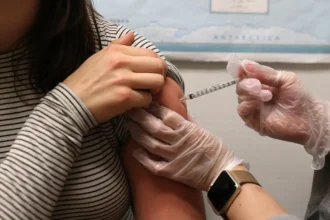
Vaccine Development: The Serum Institute of India is conducting Phase II trials of a Nipah vaccine. If successful, limited deployment to high-risk populations—healthcare workers, agricultural workers, laboratory personnel—could begin by late 2027.
Prevention: Your Best Defense Against Nipah
Since no cure exists, prevention becomes paramount. Fortunately, simple measures dramatically reduce your risk.
Avoid Raw Date Palm Sap: This single action eliminates the highest-risk exposure. In Kerala and other high-risk areas, don’t consume raw toddy or fresh date palm juice. If you do consume these products, ensure they’ve been boiled at high temperatures (above 70°C for at least 5 minutes) which kills the virus.
Practice Fruit Safety: Inspect fruits carefully for bite marks or unusual damage. Wash all fruits thoroughly with clean water, peel fruits before eating, and never consume fruits found on the ground. While fruit transmission is less common than sap consumption, it’s still a documented route.
Maintain Distance from Bat Colonies: Avoid areas where fruit bats roost, especially during their breeding season (December-February). Cover wells and water storage containers to prevent bat contamination.
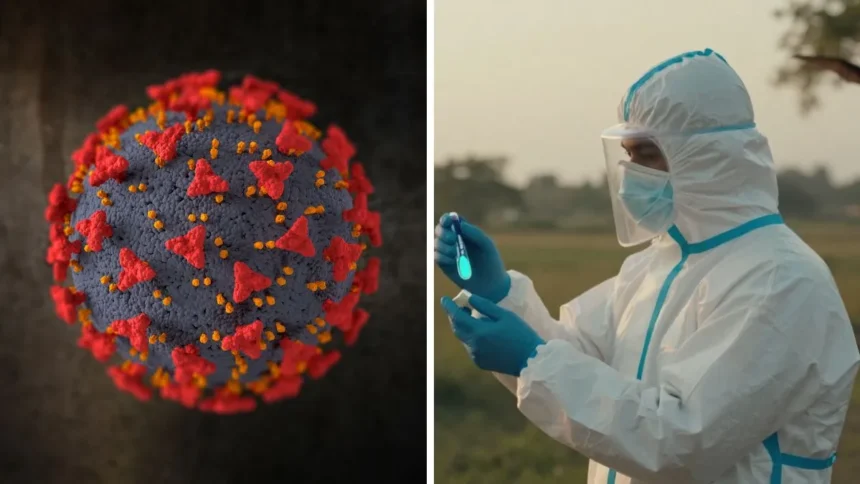
Protect Healthcare Workers: If you’re a healthcare worker, strict adherence to infection control protocols is non-negotiable. This means proper N95 respirators or PAPRs, face shields, double gloves, fluid-resistant gowns, and meticulous hand hygiene. Kerala’s experience shows that healthcare worker infections plummet when these protocols are followed rigorously.
High-Risk Groups Who Need Extra Caution
Not everyone faces equal Nipah risk. Understanding vulnerability helps you assess your personal risk level.
Date Palm Tappers: These agricultural workers face the highest occupational risk. They handle potentially contaminated sap daily, often consuming fresh sap themselves. Many lack protective equipment and depend economically on this traditional practice.
Healthcare Workers: Doctors, nurses, and laboratory personnel managing suspected or confirmed cases face significant exposure risk, particularly during aerosol-generating procedures like intubation.
Rural Agricultural Communities: Farmers working in orchards visited by fruit bats, handling fruits, and living in close proximity to bat habitats experience elevated risk.
Children and Elderly: Age matters with Nipah. Children show higher case fatality rates (approaching 80-90%) and more rapid disease progression. Elderly patients with underlying health conditions also fare worse.
What Makes 2026 Different: Progress and Challenges
India has made remarkable progress since the devastating 2018 outbreak. Kerala now has dedicated Nipah treatment facilities with trained staff, pre-positioned PPE stockpiles, digital contact tracing systems, and rapid response teams ready to deploy within hours.
The diagnostic landscape has transformed. Rapid testing now delivers results in hours instead of days. Enhanced surveillance systems detect unusual disease patterns faster. Public awareness in high-risk areas has improved significantly.
However, challenges persist. Rural areas still lack adequate intensive care facilities. Healthcare worker shortages in high-risk zones create staffing pressures. Convincing communities to abandon traditional practices like raw toddy consumption remains difficult when these practices represent cultural heritage and economic livelihood.
The Path Forward: Hope on the Horizon
Despite Nipah’s deadliness, there’s reason for cautious optimism. Vaccine trials are progressing. Monoclonal antibody treatments show promise. Surveillance systems grow more sophisticated each year. International collaboration accelerates research.
Kerala’s experience demonstrates that rapid detection and aggressive containment can prevent small outbreaks from becoming large-scale epidemics. The 2019 and 2021 outbreaks were contained quickly with minimal cases, proving that preparedness works.
What You Should Do Right Now
If you live in or plan to visit Kerala, West Bengal, or other high-risk areas, take these practical steps:
Stay informed through official channels—follow the Kerala State Health Department and Ministry of Health advisories. Avoid raw date palm products completely during high-risk seasons (December-March). Seek immediate medical attention for unexplained fever with neurological symptoms. Support public health measures like contact tracing and quarantine when outbreaks occur.
If you’re a healthcare worker in high-risk areas, ensure you’ve received proper training in Nipah protocols. Practice PPE donning and doffing regularly. Never compromise on infection control, even when tired or rushed.
Final Thoughts
Nipah virus in India 2026 represents an ongoing challenge requiring sustained vigilance. While no active major outbreak is occurring right now, the ecological conditions that allow spillover events persist. Fruit bats will continue inhabiting Kerala’s forests. Traditional practices will continue creating exposure opportunities.
What has changed is India’s capacity to respond. Enhanced preparedness, improved diagnostics, better treatment protocols, and growing public awareness create a stronger defense than ever before. Combined with promising vaccine development, the future looks incrementally brighter.
The key to staying safe is simple: awareness without panic, precaution without paranoia. Understand the risks, take sensible preventive measures, and trust that India’s public health system stands more prepared than ever to detect and contain outbreaks quickly.
Nipah virus is deadly serious, but with knowledge, preparation, and community cooperation, India can continue minimizing its impact while researchers work toward that ultimate goal—effective vaccines and treatments that finally neutralize this dangerous pathogen.
Stay safe, stay informed, and remember: in the battle against Nipah, knowledge truly is your best protection.