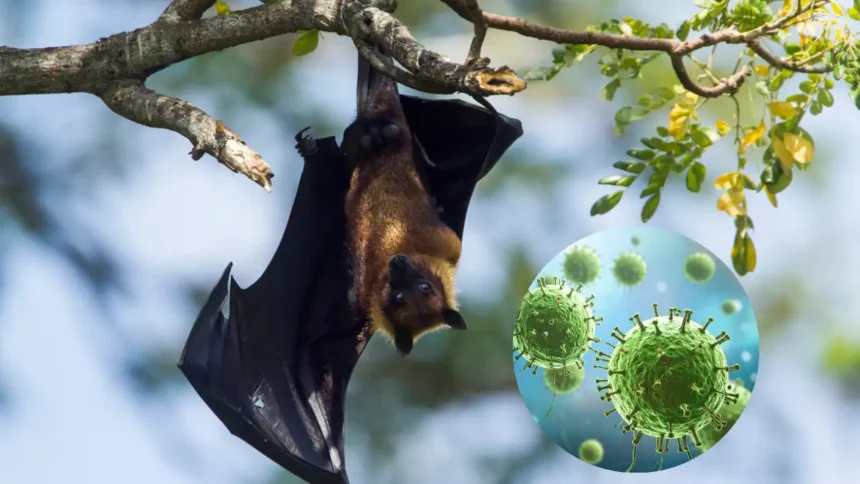
Have you heard about the Nipah virus that has been causing outbreaks across Asia? If you live in India or nearby countries, understanding this dangerous virus could save your life or someone you love. This deadly disease has a frightening death rate of up to 75 percent, and cases continue to appear across South Asia every year. As we navigate through 2026, staying informed about Nipah virus symptoms, transmission, and prevention becomes more important than ever.
The Nipah virus is not just another health concern. It represents one of the most dangerous infectious diseases monitored by global health organizations today. From Kerala to Bangladesh, this virus has claimed hundreds of lives since its first discovery in 1998. With recent outbreaks reported in 2025 and early 2026, knowing how to protect yourself and your family has never been more critical.
In this detailed guide, you will learn everything about the Nipah virus including what causes it, how it spreads, what symptoms to watch for, and most importantly, how to prevent infection. We will explore recent outbreaks, understand why this virus is so deadly, and discover what medical experts are doing to fight it.
What is Nipah Virus and Why Should You Care
Nipah virus is a dangerous infection that spreads from animals to humans. Scientists call this type of disease a zoonotic virus. The natural carriers of this virus are fruit bats, also known as flying foxes. These bats belong to the Pteropus species and live throughout Asia, the South Pacific, and Australia.
When the virus first appeared in Malaysia in 1998, nobody knew what they were dealing with. Pig farmers started getting very sick with brain infections, and many died. Doctors initially thought it was Japanese encephalitis, but they were wrong. After careful investigation, scientists discovered this was a completely new virus. They named it after the village of Kampung Sungai Nipah in Malaysia where the first outbreak happened.
The Nipah virus belongs to the Henipavirus family. What makes this virus particularly scary is how quickly it can kill. Once infected, a person can go from having a simple fever to falling into a coma within just 24 to 48 hours. The virus attacks both the lungs and the brain, causing severe breathing problems and brain swelling.
Since that first outbreak in Malaysia, the virus has appeared repeatedly in Bangladesh and India. Bangladesh has experienced almost yearly outbreaks since 2001. Kerala State in India has dealt with nine separate Nipah virus outbreaks since 2018 alone. As of 2025, Bangladesh has documented 347 total cases with a death rate of 71.7 percent. These numbers tell us this virus remains a serious threat.
How Nipah Virus Spreads From Animals to Humans
Understanding how the Nipah virus spreads is your first step in protecting yourself. The virus has several different pathways to reach humans, and each one requires specific preventive actions.
Fruit bats are the original source of all Nipah virus infections. These bats carry the virus naturally without getting sick themselves. When infected bats eat fruits or drink date palm sap, they leave behind saliva, urine, or droppings that contain the virus. If humans consume these contaminated foods or drinks, they can become infected.
In Bangladesh and eastern India, most infections happen when people drink raw date palm sap. Local farmers collect this sweet sap from palm trees during winter months from December to May. Unfortunately, fruit bats love this sap too. They visit the collection pots at night, drink the sap, and sometimes urinate or defecate in it. When people consume this contaminated sap without boiling it first, they get infected with the Nipah virus.
Another transmission path involves farm animals, especially pigs. During the original Malaysian outbreak, pigs became infected after eating fruits contaminated by bat droppings. These infected pigs then spread the virus to farmers who worked closely with them. Cattle, goats, horses, dogs, and cats can also catch the virus from contaminated food.
The most concerning transmission path is human to human spread. Unlike many animal diseases, Nipah virus can pass directly between people through close contact. Healthcare workers, family members, and caregivers face the highest risk. The virus spreads through body fluids including blood, urine, saliva, nasal secretions, and respiratory droplets from coughing or sneezing.
Hospital outbreaks have been particularly deadly. During a 2001 outbreak in Siliguri, India, 75 percent of infected people were either hospital staff or visitors who came to see patients. This shows how easily the virus spreads in healthcare settings without proper protection measures.
Recognizing Nipah Virus Symptoms Early Could Save Your Life
Spotting Nipah virus symptoms early is challenging but absolutely critical for survival. The virus typically takes 4 to 14 days after exposure before symptoms appear. However, some cases have shown symptoms appearing months or even years later in what doctors call dormant or latent infections.
The early symptoms of Nipah virus look similar to many common illnesses, which makes diagnosis difficult. People usually start with fever, headaches, muscle pain, vomiting, and sore throat. These symptoms could easily be mistaken for the flu or a common cold. That is why doctors need to know if you have visited areas where Nipah outbreaks occur.
As the disease progresses, respiratory symptoms appear. Infected people develop a cough and have difficulty breathing. Some patients experience atypical pneumonia and severe respiratory problems. In serious cases, this can lead to acute respiratory distress syndrome where the lungs fail to provide enough oxygen to the body.
The most dangerous phase begins when the virus attacks the brain. Doctors call this acute encephalitis or brain inflammation. Symptoms during this phase include dizziness, drowsiness, confusion, and altered consciousness. Patients may experience seizures and neurological problems. The deterioration can be shockingly fast, with people falling into comas within 24 to 48 hours of developing brain symptoms.
Some people infected with Nipah virus show no symptoms at all. These asymptomatic cases are more common with the Malaysian strain of the virus. However, even people without symptoms can potentially spread the virus to others, making outbreak control more difficult.
For those who survive Nipah virus infection, recovery is often not complete. Many survivors face long term neurological problems including persistent seizures, personality changes, and other brain function issues. These complications can last for years or even become permanent.
Current Nipah Virus Outbreaks in India and Bangladesh
As we move through 2026, the Nipah virus continues to threaten communities across South Asia. Understanding current outbreak patterns helps you assess your risk and take appropriate precautions.
Kerala State in India remains a major hotspot for Nipah virus activity. Between May and July 2025, four confirmed cases appeared in two Kerala districts. Two patients died from the infection. The cases occurred in Malappuram and Palakkad districts. This marked the first time Palakkad District ever reported a Nipah outbreak. Health authorities continue monitoring these areas closely for any new cases.
The pattern of these Kerala outbreaks suggests ongoing risk from fruit bat populations in the region. Unlike Bangladesh where most infections come from contaminated date palm sap, Kerala infections often trace back to eating fruits that bats have partially eaten or touched. The exact source of infection for the 2025 cases remains under investigation.
Bangladesh continues experiencing regular Nipah cases as well. Between January and August 2025, four fatal cases were reported from four different districts across Bangladesh. None of these cases appeared connected to each other, suggesting multiple separate spillover events from bats to humans. Three cases followed the typical seasonal pattern occurring during the date palm sap harvesting season. However, one case appeared outside the usual season with no history of drinking raw date palm sap, leaving the infection source unknown.
West Bengal in India also reported Nipah cases recently. In January 2026, five cases appeared in West Bengal, adding to concerns about the virus spreading to new areas. Health officials rushed to implement containment measures including contact tracing and isolation of suspected cases.
The recurring nature of these outbreaks highlights a persistent problem. Fruit bats carrying the virus live throughout these regions. Human activities like farming and food collection bring people into contact with areas where infected bats live or feed. Without a vaccine or cure, preventing new outbreaks requires constant vigilance and education about risk factors. Much like staying informed about various health conditions through resources like how is gloria copeland health, understanding Nipah virus requires ongoing attention to current health information.
Why Nipah Virus Has Such a High Death Rate
The extremely high death rate from Nipah virus makes it one of the world’s most dangerous infectious diseases. Understanding why this virus is so deadly helps explain why health experts consider it a potential pandemic threat.
The case fatality rate for Nipah virus ranges from 40 to 75 percent depending on the outbreak location and quality of medical care available. In some outbreaks, three out of every four infected people died. This death rate far exceeds most other infectious diseases. For comparison, the death rate for COVID-19 was around 1 to 2 percent globally.
Several factors contribute to this high mortality. First, the virus attacks multiple organ systems simultaneously. It causes both severe respiratory problems and brain inflammation at the same time. Managing patients becomes extremely difficult when they need intensive care for failing lungs and swelling brains simultaneously.
Second, the disease progresses incredibly fast. Patients can go from early symptoms to critical condition within days. The rapid deterioration from brain inflammation to coma happens so quickly that even with the best medical care, doctors often cannot save patients. By the time many people seek medical help, the virus has already caused extensive damage.
Third, no specific treatments exist for Nipah virus infection. Doctors can only provide supportive care, meaning they treat symptoms and try to keep patients alive while their immune systems fight the virus. They cannot give any medication that directly attacks and kills the virus. This supportive care includes helping patients breathe with ventilators, providing fluids through IVs, controlling seizures with medications, and managing fever and pain.
Fourth, diagnostic delays increase mortality. The early symptoms mimic many other common illnesses, so patients and doctors may not suspect Nipah virus initially. By the time proper testing confirms the diagnosis, the disease may have already progressed to dangerous stages. Early detection significantly improves survival chances, but recognizing Nipah early remains challenging.
The Bangladesh strain of Nipah virus appears more deadly than the Malaysian strain. The Bangladesh strain more frequently causes respiratory symptoms and spreads more easily between humans. It also seems to cause more severe brain inflammation. These differences in virus strains affect both outbreak severity and mortality rates.
Healthcare system quality also impacts survival rates. Countries with better equipped hospitals, trained medical staff, and established infection control systems save more patients. Kerala State in India, for example, has a relatively strong healthcare system and has achieved lower death rates in recent outbreaks compared to some other regions.
Prevention Strategies That Actually Work Against Nipah Virus
Since no vaccine or cure exists for Nipah virus, prevention becomes your only defense against this deadly disease. Fortunately, several proven strategies can significantly reduce your infection risk.
The most important prevention strategy involves avoiding contact with fruit bats and their droppings. If you live in areas where Nipah outbreaks occur, stay away from trees where bats roost during the day. Never touch anything that could be contaminated with bat urine, saliva, or droppings. This includes fallen fruits, especially those showing bite marks from bats.
When collecting or consuming date palm sap, always boil it thoroughly first. Raw date palm sap is the single biggest source of Nipah infections in Bangladesh. The boiling process kills any virus present in the sap. You can also prevent bat contamination by covering sap collection pots with bamboo skirts or other protective barriers that keep bats away.
Proper food handling protects you from bat transmitted infections. Always wash fruits and vegetables thoroughly before eating them. Peel fruits whenever possible. Throw away any fruits that show signs of bat bites or have been lying on the ground where bat droppings could contaminate them. These simple steps remove most viral contamination.
Farmers and animal handlers need extra precautions. If you work with pigs, cattle, goats, or other farm animals, watch for signs of illness in your animals. Sick animals should be isolated immediately. Wear protective gloves and clothing when handling sick animals or their tissues. Use proper safety equipment during slaughtering procedures. These measures prevent virus transmission from infected animals to humans.
Hand hygiene ranks among the most effective prevention methods. Wash your hands frequently with soap and water, especially after handling animals or food items that bats might have touched. Good hand washing removes virus particles from your skin before they can enter your body through your eyes, nose, or mouth.
If someone in your household or community becomes infected with Nipah virus, avoiding close contact becomes crucial. Do not share food, drinks, or bedding with infected individuals. Healthcare workers and family caregivers must wear complete personal protective equipment including N95 respirator masks, gloves, gowns, and eye protection. The virus spreads through respiratory droplets and body fluids, so these barriers prevent transmission.
Community awareness makes prevention efforts more effective. Talk to your neighbors about Nipah virus risks. Share information about proper food handling and the dangers of consuming raw date palm sap. When communities work together to implement prevention measures, outbreak risks decrease significantly.
Medical Research and Future Hope for Nipah Virus Treatment
While we currently lack approved treatments and vaccines for Nipah virus, scientists around the world are working hard to develop medical solutions. Understanding these research efforts gives us hope for better protection in the future.
Several vaccine candidates are now in human clinical trials. The University of Oxford is testing a vaccine called ChAdOx1 NipahB with 51 participants. This trial represents the first time a Nipah vaccine has been tested in humans. Another promising candidate called PHV02, developed by Public Health Vaccines in the United States, is preparing for mid stage trials in Bangladesh during early 2026. The Coalition for Epidemic Preparedness Innovations has committed over 100 million US dollars to fund Nipah vaccine research and development.
These vaccines work by teaching your immune system to recognize and fight the Nipah virus before you get infected. The PHV02 vaccine uses the same technology as the successful Ebola vaccine, which gives scientists confidence it could work well. If these trials succeed and vaccines get approved, they could be stockpiled in outbreak prone regions. High risk groups like healthcare workers and people living near fruit bat habitats could receive protection.
Researchers are also testing potential treatments for infected patients. A medication called remdesivir, which was used against COVID-19, has shown promising results in animal studies against Nipah virus. Another treatment approach uses monoclonal antibodies. These are specially designed proteins that can grab onto the virus and help your immune system destroy it. One monoclonal antibody called m102.4 has completed early safety testing and is being used on a case by case basis for some patients.
Scientists continue studying how the Nipah virus works at the molecular level. They have discovered that the virus uses specific proteins to attach to human cells and enter them. Understanding these mechanisms helps researchers design better vaccines and treatments. They have identified the exact receptors the virus targets on cell surfaces, which opens new possibilities for blocking infection.
Diagnostic testing has improved significantly. New testing methods can detect Nipah virus infection faster and more accurately than before. Early diagnosis remains critical for improving survival chances and preventing spread. Better diagnostics mean doctors can start supportive care sooner and implement isolation measures to protect others.
International collaboration strengthens these research efforts. Organizations like the World Health Organization, the US Centers for Disease Control and Prevention, and research institutions across multiple countries share data and resources. This global approach helps accelerate progress toward effective medical countermeasures.
What to Do If You Suspect Nipah Virus Exposure
Knowing how to respond if you think you have been exposed to Nipah virus could save your life. Quick action and proper medical care significantly improve your chances of survival.
If you have been in an area where Nipah outbreaks have occurred and develop symptoms like fever, headache, cough, or breathing difficulties, seek medical attention immediately. Do not wait to see if symptoms get worse. Call ahead to alert the healthcare facility so they can prepare proper isolation and protective measures. This protects both you and healthcare workers.
When seeking medical care, be completely honest about your potential exposure to the virus. Tell doctors if you have consumed raw date palm sap, eaten fruits that might have been contaminated by bats, had contact with sick farm animals, or been near someone infected with Nipah virus. This information helps doctors make the right diagnosis quickly.
Healthcare providers will need to test you for Nipah virus infection. The testing process typically involves collecting samples from your throat, nose, blood, urine, or cerebrospinal fluid. These samples go to specialized laboratories equipped to handle dangerous viruses safely. Test results may take several days to come back.
While waiting for test results, doctors will likely isolate you to prevent potential spread to others. You will receive supportive care to manage your symptoms. This might include medications to reduce fever and pain, fluids to prevent dehydration, oxygen support if you have breathing difficulties, and medications to control seizures if they develop.
If you have had contact with someone diagnosed with Nipah virus but do not have symptoms yet, contact your local health department. They will monitor you for symptom development during the incubation period. This monitoring typically lasts 14 days. During this time, avoid close contact with other people as much as possible.
Family members and caregivers of Nipah virus patients need special guidance. If you must care for an infected person, always wear complete personal protective equipment. This includes an N95 mask or higher level respirator, gloves, gown, and eye protection. Never touch the patient or their belongings without proper protection. Wash your hands thoroughly after any contact.
For communities experiencing outbreaks, staying informed through reliable health sources becomes essential. Follow guidance from your local health authorities and the World Health Organization. Avoid spreading unverified information or rumors that could cause panic or lead people to ignore real protective measures. Visit Health Guiders regularly for updated, accurate health information.
Frequently Asked Questions About Nipah Virus
Can Nipah virus spread through the air like COVID-19?
Nipah virus primarily spreads through direct contact with infected body fluids rather than through the air over long distances. However, the virus can spread through respiratory droplets when an infected person coughs or sneezes near someone else. This means you need to be in close contact with an infected person to get the virus through respiratory transmission. Healthcare workers should still use N95 respirators or higher protection because droplet transmission can occur in healthcare settings.
Is there any cure or vaccine available for Nipah virus in 2026?
As of early 2026, no approved vaccine or specific cure exists for Nipah virus infection. However, several vaccine candidates are currently in human trials, with results expected within the next few years. Treatment remains limited to supportive care where doctors help manage symptoms and keep patients alive while their immune system fights the virus. Some experimental treatments like monoclonal antibodies are available on a compassionate use basis for severely ill patients.
Which countries have reported Nipah virus cases?
Nipah virus outbreaks have been confirmed in Malaysia, Singapore, Bangladesh, India, and the Philippines. Within India, most cases occur in Kerala State and West Bengal. Bangladesh experiences cases almost every year, particularly during the date palm sap harvesting season from December to May. However, fruit bats that carry the virus live throughout Asia, Australia, and the South Pacific, so the virus could potentially emerge in other countries where these bats exist.
How long can Nipah virus survive outside the body?
Research suggests Nipah virus can survive in bat urine for several days at room temperature, which is why contaminated date palm sap remains infectious. The virus is sensitive to heat and common disinfectants. Boiling liquids like date palm sap kills the virus immediately. Regular cleaning with soap and water or standard disinfectants destroys the virus on surfaces. This is why proper food handling and hygiene practices are so effective at preventing infection.
Can animals other than bats and pigs carry Nipah virus?
While fruit bats are the natural reservoir and pigs were the main intermediate host in Malaysia, other farm animals can become infected. Cases of Nipah virus have been found in cattle, goats, horses, dogs, and cats. Any mammal that comes into contact with contaminated food or infected animals could potentially carry the virus. This is why farmers and animal handlers need to take precautions with all sick animals in outbreak areas.
What is the difference between the Malaysian and Bangladesh strains of Nipah virus?
The Malaysian strain and Bangladesh strain differ in several important ways. The Malaysian strain causes more asymptomatic infections and has not shown strong human to human transmission. The Bangladesh strain more frequently causes respiratory symptoms and spreads more easily between people through close contact. The Bangladesh strain also appears to have a higher death rate. These differences affect how outbreaks spread and how health authorities respond.
Can survivors of Nipah virus get infected again?
Current research suggests that people who survive Nipah virus infection develop antibodies that provide some level of immunity. However, scientists are not certain how long this immunity lasts or how strong it is. Some evidence suggests survivors maintain antibodies for several years after recovery. The rarity of Nipah cases makes it difficult to study reinfection patterns. Survivors should still take precautions to avoid exposure since immunity duration remains uncertain.
Why does Kerala State in India have so many Nipah outbreaks?
Kerala has experienced repeated Nipah outbreaks for several reasons. The state has large populations of Pteropus fruit bats living in close proximity to human settlements. Kerala’s agricultural practices and dietary habits bring people into frequent contact with fruits that bats feed on. The state also has excellent disease surveillance systems, so they detect cases that might be missed in other regions. The combination of high bat populations, human bat interaction, and good detection systems explains the recurring outbreaks.
Are children more at risk for Nipah virus than adults?
Nipah virus can infect people of all ages, but risk depends more on exposure than age. Anyone who consumes contaminated date palm sap, eats contaminated fruits, or has close contact with infected animals or people can get infected regardless of age. One tragic outbreak in Bangladesh in 2011 killed 21 schoolchildren who had consumed contaminated date palm sap. Children may be at higher risk because they are less aware of food safety precautions and more likely to eat unwashed fruits.
How quickly should you seek medical help after exposure to Nipah virus?
You should seek medical attention immediately if you develop any symptoms like fever, headache, or respiratory problems after potential exposure to Nipah virus. Do not wait to see if symptoms worsen. The disease can progress from mild symptoms to critical condition within days. Early medical care, even though it is only supportive treatment, significantly improves survival chances. Prompt diagnosis also allows for isolation measures that prevent spread to family members and healthcare workers.
Take Action to Protect Yourself and Your Community
The Nipah virus represents a serious health threat that demands awareness and action from everyone living in or visiting outbreak prone regions. While this disease has a frightening death rate and no cure, you now have the knowledge to protect yourself and your loved ones.
Remember that simple prevention measures make a huge difference. Boil date palm sap before drinking it, wash and peel fruits thoroughly, avoid contact with bats and their droppings, practice good hand hygiene, and seek immediate medical care if you develop symptoms after potential exposure. These straightforward actions can save your life.
Stay informed about outbreaks in your area by following updates from reliable health sources. Share what you have learned with your family and community. When everyone understands the risks and prevention strategies, entire communities become safer. Community education and cooperation remain our strongest tools against this virus until vaccines and treatments become available.
If you want to learn more about protecting your health from various conditions and staying updated on important health topics, visit Health Guiders for comprehensive, reliable health information. Your health and safety depend on staying informed and taking appropriate preventive actions.
The fight against Nipah virus continues through scientific research, public health efforts, and individual actions. While scientists work toward vaccines and treatments, your vigilance and preventive practices form the front line defense. Together, we can reduce the impact of this deadly virus and protect vulnerable communities from future outbreaks.
Disclaimer
This article is for informational purposes only and does not constitute medical advice. Always consult a qualified healthcare professional before starting, stopping, or changing any medication, supplement, or treatment. If you suspect exposure to Nipah virus or develop symptoms after visiting outbreak areas, seek immediate medical attention from healthcare providers familiar with infectious disease management.