
Your hamstrings are one of the most important muscle groups in your body, yet they often get overlooked during workout routines. These powerful muscles on the back of your thighs help you walk, run, jump, and perform everyday activities with ease. Whether you are recovering from an injury, looking to improve your athletic performance, or simply want stronger legs, understanding and practicing proper hamstring exercises can make a huge difference in your daily life.
The good news is that you do not need fancy equipment or a gym membership to build strong, healthy hamstrings. With the right exercises and consistent practice, you can develop these muscles from the comfort of your home. This comprehensive guide will walk you through everything you need to know about hamstring training, from basic movements to advanced techniques.
What Are Your Hamstring Muscles and Why Do They Matter
Before diving into specific exercises, it helps to understand what your hamstrings actually do. Your hamstring muscles are made up of three separate muscles that run along the back of your thigh. These include the semimembranosus, the semitendinosus, and the biceps femoris. Together, these muscles work to bend your knee and extend your hip, which means they play a role in almost every lower body movement you make.
Think about simple activities like getting up from a chair, climbing stairs, or picking something up from the floor. All of these movements require your hamstrings to work properly. When your hamstrings are weak or tight, you may experience pain in your knees, lower back, or hips. You might also find it harder to perform athletic activities or even complete basic daily tasks without discomfort.
Strong hamstrings also help protect your knees from injury. They work together with your quadriceps to keep your knee joint stable and balanced. When one muscle group is much stronger than the other, it can pull your knee out of proper alignment and increase your risk of injury. This is why many doctors and physical therapists emphasize the importance of hamstring strengthening exercises for overall leg health.
The Amazing Benefits of Hamstring Strengthening Exercises
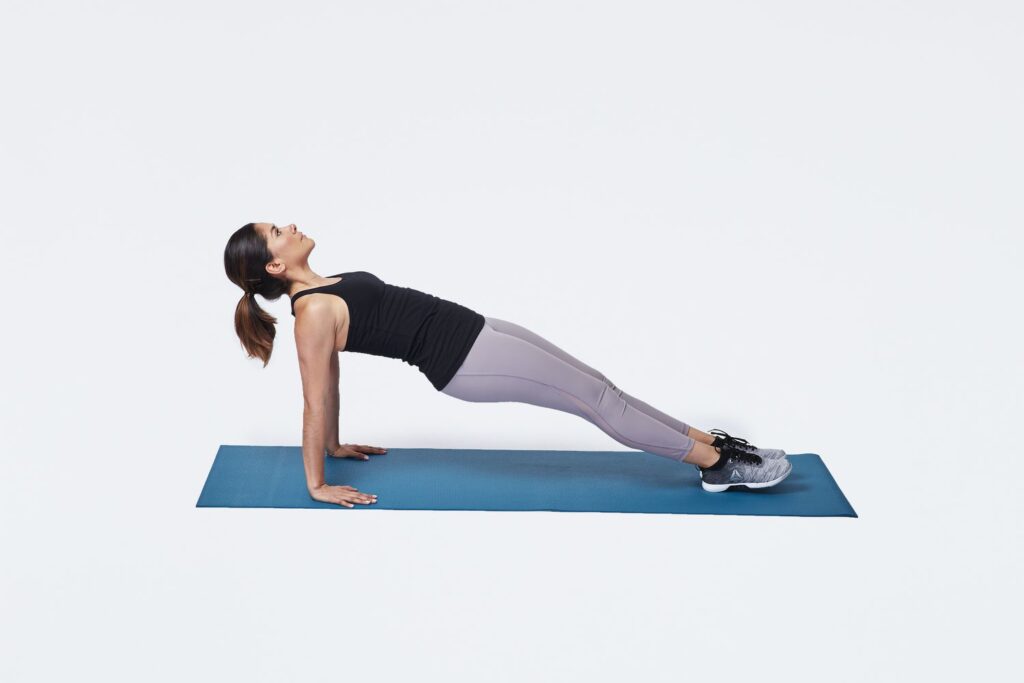
Regular hamstring training offers benefits that extend far beyond just building bigger muscles. When you strengthen your hamstrings, you are investing in your overall health and quality of life. Here are some of the most important benefits you can expect from consistent hamstring work.
First, strong hamstrings make everyday activities much easier. Whether you are gardening, playing with your children or grandchildren, or simply bending down to tie your shoes, you will notice that these tasks become less challenging. Your legs will feel more stable and powerful, giving you confidence in your movements throughout the day.
Second, building strong hamstrings significantly reduces your risk of injury. Weak hamstrings are more prone to strains and tears, especially during activities that involve sudden movements or changes in direction. By strengthening these muscles, you create a protective barrier that helps prevent these painful injuries from occurring in the first place.
Third, hamstring exercises improve your athletic performance in nearly every sport. Whether you enjoy running, cycling, swimming, or team sports, strong hamstrings give you more explosive power and better endurance. Runners often find that hamstring training helps them run faster and longer without fatigue or discomfort.
Additionally, proper hamstring training helps create better muscle balance in your legs. When your hamstrings and quadriceps are equally strong, your knee joint functions more smoothly and efficiently. This balance is crucial for preventing chronic knee pain and maintaining healthy joints as you age.
Just like maintaining good overall health is important, as highlighted in resources about how is gloria copeland health, taking care of your leg muscles through regular exercise is essential for long-term wellness and mobility.
Ready to Start Your Fitness Journey?
Visit HealthGuiders.com for more expert advice on building strength, preventing injuries, and living a healthier life. Our comprehensive guides are designed to help you achieve your fitness goals safely and effectively.
Best Hamstring Exercises for Beginners
If you are new to hamstring training, starting with basic exercises is the smartest approach. These beginner-friendly movements allow you to build strength gradually without overwhelming your muscles or risking injury. Each exercise focuses on proper form and controlled movement, which are essential foundations for more advanced training later on.
Glute Bridge
The glute bridge is an excellent starting point for hamstring strengthening exercises. This simple movement targets your hamstrings and glutes while also engaging your core muscles. To perform a glute bridge, lie flat on your back with your knees bent and feet flat on the floor about shoulder-width apart. Push through your heels to lift your hips off the ground until your body forms a straight line from your knees to your shoulders. Squeeze your glutes and hamstrings at the top of the movement, then slowly lower back down.
Start with three sets of ten repetitions, resting for about one minute between sets. As this becomes easier, you can increase the number of repetitions or hold the top position for longer periods. This exercise is particularly beneficial because it teaches you how to properly activate your hamstrings and glutes together.
Standing Hamstring Curl
The standing hamstring curl is another beginner-friendly option that requires no equipment. Stand next to a chair or wall for balance support. Lift one heel off the floor and bring it toward your buttocks by bending your knee. Focus on squeezing the muscles in the back of your thigh as you hold this position for a moment before lowering your foot back down.
Perform three sets of eight to twelve repetitions on each leg. This exercise helps you develop the knee flexion function of your hamstrings, which is important for walking and running. You can make this exercise more challenging by adding ankle weights or resistance bands once you have mastered the basic movement.
Seated Hamstring Squeeze
This gentle exercise is perfect for those recovering from hamstring injury exercises or dealing with knee discomfort. Sit in a sturdy chair with one foot resting directly in front of a chair leg. Bend your knee and pull your heel straight back into the chair leg, applying pressure as if you are trying to drag your foot backward. Hold this position for several seconds, focusing on the muscle contraction in the back of your thigh.
Complete three sets of ten holds on each leg. This isometric exercise helps strengthen your hamstrings without requiring a large range of motion, making it ideal for early-stage hamstring rehab exercises.
Intermediate Hamstring Muscles Workout Techniques
Once you have built a solid foundation with beginner exercises, you can progress to intermediate movements that challenge your hamstrings in new ways. These exercises typically involve more complex movements or additional resistance.
Romanian Deadlift
The Romanian deadlift is one of the most effective hamstring exercises you can perform. This movement emphasizes the hip extension function of your hamstrings while also strengthening your lower back and glutes. Stand with your feet shoulder-width apart, holding a weight at your hips with an overhand grip. Keep a slight bend in your knees as you push your hips backward, lowering the weight along the front of your legs.
Lower until you feel a gentle stretch in your hamstrings, typically when your torso reaches about parallel to the ground. Then drive your hips forward to return to standing. Start with light weights and perform three sets of six to eight repetitions. Focus on maintaining a flat back throughout the movement and keeping the weight close to your body.
Walking Lunges
Walking lunges work your entire lower body, with special emphasis on your hamstrings during the push-back phase. Take a large step forward with one foot and lower your body until both knees form roughly ninety-degree angles. Push through your front heel to bring your back foot forward into the next lunge.
Continue alternating legs as you walk forward for eight to twelve steps per leg. Your hamstrings work hard to pull your body weight back up from each lunge position. This exercise also improves your balance and coordination while building functional strength for everyday activities.
Bridge Curl
This advanced variation of the basic bridge targets your hamstrings more intensely. Place a folded towel or paper plate under your feet so they can slide easily. Start in a bridge position with your hips lifted. Slowly slide your feet away from your body by straightening your knees, then pull them back toward your hips using your hamstrings.
This exercise challenges your hamstrings in both knee flexion and hip extension simultaneously, making it highly effective for building strength and muscle control. Perform three sets of eight to ten repetitions.
Advanced Best Hamstring Workouts for Serious Strength
When you are ready for the most challenging hamstring exercises, these advanced movements will take your strength to the next level. These exercises require good body control, balance, and a solid strength foundation.
Single Leg Romanian Deadlift
This unilateral exercise forces one leg to support your entire body weight while performing a hip hinge movement. Stand on one leg while holding a weight in the opposite hand. Slowly hinge at your hip, lowering your chest toward the floor while extending your free leg behind you for balance. Keep your back straight and your core engaged throughout the movement.
Lower until you feel a strong stretch in your hamstring, then squeeze your glutes and hamstrings to return to standing. This exercise builds tremendous strength while also improving your balance and stability. Start with three sets of six to eight repetitions per leg.
Bulgarian Split Squat
Place your rear foot on an elevated surface like a bench or chair. Position your front foot far enough forward that when you lower down, your front shin stays mostly vertical. Lower your body by bending your front knee until your thigh is roughly parallel to the ground. Your hamstrings work hard during both the lowering and rising phases of this movement.
Perform three sets of eight to twelve repetitions per leg. You can hold dumbbells at your sides to increase the challenge. This exercise builds serious lower body strength while also improving your flexibility and range of motion.
Kettlebell Swing
The kettlebell swing is a dynamic, explosive movement that develops power in your hamstrings and glutes. Stand with your feet slightly wider than shoulder-width apart, gripping a kettlebell with both hands. Hinge at your hips to swing the kettlebell back between your legs, then explosively drive your hips forward to swing the kettlebell up to chest height.
The power for this movement comes entirely from your hip thrust, not your arms. Your hamstrings load during the backswing and explode during the forward drive. Perform three sets of twelve to fifteen repetitions. This exercise not only builds strength but also improves your cardiovascular fitness and athletic power.
Essential Hamstring Stretch Exercises for Flexibility
While building strength is important, maintaining flexibility in your hamstrings is equally crucial for preventing injury and improving performance. Tight hamstrings can limit your range of motion and increase your risk of strains. These stretching exercises should be performed after your strength training or as a separate flexibility session.
Lying Hamstring Stretch with Towel
Lie on your back with one knee bent toward your chest. Loop a towel or strap around the bottom of your raised foot. Gently straighten your leg while using the towel to pull it toward your head. You should feel a comfortable stretch along the back of your thigh. Hold this position for thirty to sixty seconds, then switch legs. This stretch is gentle enough for daily use and helps maintain healthy hamstring flexibility.
Standing Hamstring Stretch
Place one foot on a low step, box, or chair with your foot flat on the surface. Keep your elevated leg straight and slowly hinge forward at your hips, pushing your bottom backward. You should feel a stretch along the back of your elevated leg. Hold for thirty to sixty seconds, breathing deeply and relaxing into the stretch.
This functional stretch mimics positions you might encounter in daily life, making it particularly useful for improving flexibility that transfers to real-world movements. Repeat two to three times per leg.
Need Personalized Guidance?
Every body is different, and finding the right exercise routine for your specific needs is important. Visit HealthGuiders.com to explore our extensive library of health and fitness resources tailored to help you succeed on your wellness journey.
Creating Your Perfect Hamstring Training Routine
Now that you understand the various hamstring exercises available, it is time to put together an effective training routine. A well-designed program should include a mix of strength exercises and flexibility work, progressing gradually from basic to more advanced movements as your fitness improves.
For beginners, start by training your hamstrings two to three times per week. Choose three to four exercises from the beginner category and perform two to three sets of each. Allow at least one day of rest between hamstring workouts to give your muscles time to recover and grow stronger.
As you progress to intermediate and advanced exercises, you can maintain the same training frequency but increase the intensity by adding weight or performing more challenging variations. Listen to your body and never push through sharp pain. Some muscle soreness after working out is normal, but severe pain might indicate you are doing too much too soon.
Remember to always warm up before your hamstring workout with five to ten minutes of light cardio and dynamic stretching. This prepares your muscles for the work ahead and reduces your risk of injury. After your workout, spend time cooling down with gentle static stretches to improve flexibility and reduce muscle tightness.
Common Mistakes to Avoid During Hamstring Training
Even with the best intentions, many people make mistakes that limit their progress or increase their injury risk when performing hamstring exercises. Being aware of these common errors helps you train more effectively and safely.
One of the biggest mistakes is neglecting proper form in favor of lifting heavier weights or doing more repetitions. Quality always beats quantity when it comes to strength training. Focus on controlling each movement and feeling your hamstrings work rather than just moving weight from point A to point B.
Another common error is ignoring the importance of balanced training. Your hamstrings work closely with your quadriceps, so training only one muscle group can create imbalances that lead to injury. Make sure your workout routine includes exercises for all major leg muscles.
Many people also skip the warm-up and cool-down phases, jumping straight into intense exercise. This approach significantly increases your injury risk and can lead to excessive muscle soreness. Always take time to prepare your body before training and help it recover afterward.
Finally, some people try to progress too quickly, adding weight or difficulty before they have mastered the basic movement patterns. Build a solid foundation first, then gradually increase the challenge as your strength and skill improve.
When to See a Professional About Hamstring Pain
While hamstring exercises are generally safe and beneficial, there are times when professional medical advice is necessary. If you experience sudden, sharp pain in your hamstring during exercise, especially accompanied by a popping sensation, you may have strained or torn the muscle. Stop exercising immediately and consult a healthcare provider.
Persistent hamstring pain that does not improve with rest and gentle stretching also warrants professional evaluation. A physical therapist can assess your movement patterns, identify any underlying issues, and create a personalized hamstring rehab exercises program to help you recover safely.
If you notice significant strength differences between your legs, or if one hamstring feels much tighter than the other, these imbalances should be addressed with professional guidance. A qualified fitness professional or physical therapist can help you correct these issues before they lead to more serious problems.
Frequently Asked Questions About Hamstring Exercises
How often should I do hamstring exercises?
For best results, aim to train your hamstrings two to three times per week. This frequency allows you to build strength while giving your muscles adequate time to recover between workouts. If you are just starting out, you might want to begin with twice weekly sessions and gradually increase as your fitness improves. Remember that rest days are just as important as training days for muscle growth and recovery.
Can I do hamstring exercises every day?
While light stretching and mobility work can be done daily, intense hamstring strengthening exercises should not be performed every day. Your muscles need time to repair and grow stronger after a workout, which typically takes forty-eight hours. Training the same muscle group every day can lead to overtraining, increased injury risk, and slower progress toward your goals.
What are the best hamstring exercises for beginners?
The best starting exercises include glute bridges, standing hamstring curls, and seated hamstring squeezes. These movements are easy to learn, require minimal or no equipment, and allow you to focus on proper form without excessive challenge. As you build strength and confidence, you can progress to more advanced exercises like Romanian deadlifts and lunges.
How long does it take to strengthen hamstrings?
Most people begin noticing improvements in hamstring strength within four to six weeks of consistent training. However, significant strength gains typically take three to six months of regular exercise. Your progress depends on factors like your starting fitness level, training frequency, exercise selection, and overall consistency. Stay patient and trust the process.
Are hamstring exercises good for knee pain?
Yes, strengthening your hamstrings can help reduce certain types of knee pain, especially when the pain is caused by muscle imbalances or weakness. Strong hamstrings help stabilize your knee joint and take pressure off the surrounding structures. However, if you have knee pain, it is important to consult with a healthcare provider before starting any new exercise program to ensure the exercises are appropriate for your specific condition.
Can hamstring exercises help with lower back pain?
Properly performed hamstring exercises can indeed help with some types of lower back pain. Tight or weak hamstrings can alter your posture and put extra stress on your lower back. By improving hamstring strength and flexibility, you may experience reduced back discomfort. However, severe or persistent back pain always requires professional medical evaluation.
Do I need equipment for hamstring exercises?
No, you can perform many effective hamstring exercises using just your body weight. Movements like glute bridges, hamstring curls, and lunges require no equipment at all. As you progress, adding simple tools like resistance bands, dumbbells, or kettlebells can increase the challenge and continue your strength development, but they are not necessary for building strong, healthy hamstrings.
What is the difference between hamstring strengthening and stretching?
Hamstring strengthening exercises focus on building muscle power and endurance through resistance movements, while stretching exercises aim to improve flexibility and range of motion. Both are important for overall hamstring health. Strengthening makes your muscles more powerful and injury-resistant, while stretching keeps them flexible and prevents tightness. A complete hamstring program includes both types of exercises.
Final Thoughts on Building Stronger Hamstrings
Developing strong, flexible hamstrings is one of the best investments you can make in your long-term health and fitness. These powerful muscles play a crucial role in nearly every movement you make throughout the day, from simple tasks like walking to complex athletic activities. By incorporating the hamstring exercises outlined in this guide into your regular routine, you will build strength, prevent injuries, and improve your overall quality of life.
Remember that consistency is key when it comes to seeing results. You do not need to spend hours in the gym or use fancy equipment to build strong hamstrings. Simple, effective exercises performed regularly with good form will deliver excellent results over time. Start where you are, use what you have, and focus on gradual, steady progress.
Whether you are recovering from an injury, preparing for athletic competition, or simply want to move through life with greater ease and confidence, proper hamstring training can help you achieve your goals. Take the first step today by choosing a few exercises from this guide and committing to regular practice. Your future self will thank you for the effort you put in now.