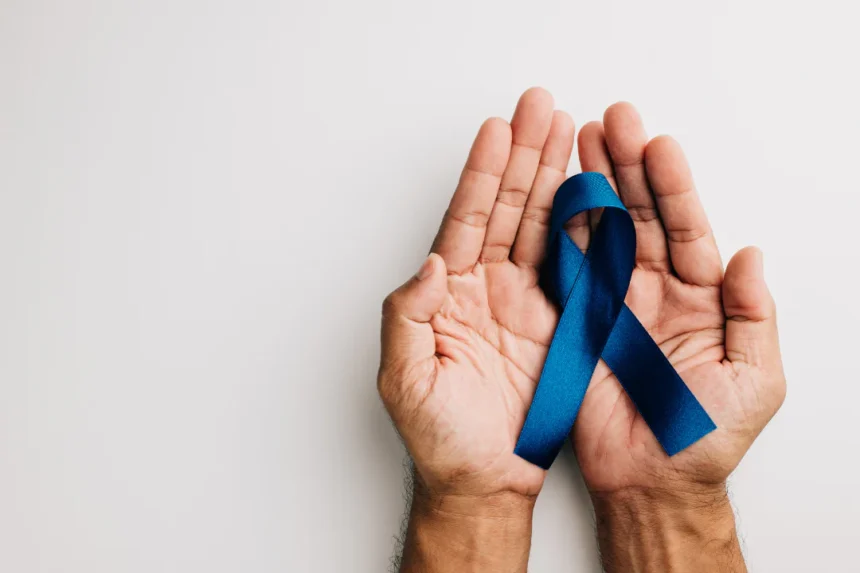
Men’s Mental Health Month is observed every June, dedicated specifically to raising awareness about the mental health challenges that men face worldwide. This month-long observance serves as a crucial reminder that mental health conditions affect everyone, regardless of gender, and that seeking help is a sign of strength, not weakness.
While conversations around mental health have become more common in recent years, men still face unique barriers when it comes to discussing their emotional struggles. Understanding when Men’s Mental Health Month occurs and what it represents can help break down these barriers and encourage more men to prioritize their mental wellbeing.
Understanding Men’s Mental Health Month
Men’s Mental Health Month takes place throughout the entire month of June each year. This awareness campaign was established to address the alarming statistics surrounding men’s mental health and to create safe spaces where men feel comfortable discussing their feelings and challenges.
The timing of this observance in June makes it particularly significant. As we move into summer, many people experience changes in their routines, social interactions, and even their mood patterns. This month provides an opportunity to check in with ourselves and the men in our lives about their mental and emotional state.
During Men’s Mental Health Month, organizations worldwide host events, share resources, and start conversations aimed at reducing the stigma around men seeking mental health support. The goal is simple but powerful to let men know that taking care of their mental health is just as important as maintaining their physical health.
Why Men’s Mental Health Deserves Special Attention
Men face distinct challenges when it comes to mental health care. Traditional masculine norms often discourage men from expressing vulnerability or admitting they need help. These cultural expectations can lead to serious consequences, including untreated depression, anxiety, and even increased suicide risk.
Research shows that men are significantly less likely than women to seek professional help for mental health concerns. This reluctance stems from various factors, including fear of appearing weak, lack of awareness about available resources, and societal pressure to always appear strong and in control.
The statistics paint a concerning picture. Men account for nearly three out of four suicide deaths in many countries, making suicide one of the leading causes of death among men under 50. These numbers highlight why dedicated awareness efforts like Men’s Mental Health Month are so critically important.
Men also tend to express mental health struggles differently than women. Instead of openly discussing sadness or anxiety, men might display irritability, anger, or engage in risky behaviors. They may also turn to substance use as a coping mechanism, which can mask underlying mental health issues and prevent them from getting proper treatment.
Understanding these patterns helps explain why focused attention on men’s mental health is necessary. Just as we understand that different health conditions require specialized approaches, mental health support needs to be tailored to address the specific ways men experience and express emotional distress.
Common Mental Health Challenges Men Face
Depression affects millions of men each year, though it often goes undiagnosed because men may not recognize the symptoms or feel comfortable discussing them. Male depression can manifest as persistent tiredness, difficulty sleeping, loss of interest in activities once enjoyed, or increased irritability rather than obvious sadness.
Anxiety disorders are also prevalent among men, though they frequently remain hidden. Men experiencing anxiety might throw themselves into work or exercise excessively as a way to manage their symptoms without addressing the root cause. This avoidance can lead to burnout and worsening mental health over time.
Post-traumatic stress disorder affects many men, particularly those who have served in the military, worked in high-stress professions, or experienced traumatic events. The symptoms can be debilitating but are often dismissed or minimized, preventing men from seeking the specialized care they need.
Substance use disorders disproportionately affect men, often developing as a way to self-medicate underlying mental health conditions. Rather than addressing feelings of depression or anxiety directly, some men turn to alcohol or drugs, creating a dangerous cycle that worsens both their mental and physical health.
Relationship and family stress can significantly impact men’s mental wellbeing. Pressures related to providing for loved ones, managing work-life balance, or dealing with divorce and custody issues can trigger or worsen mental health conditions. Many men struggle silently with these stressors rather than reaching out for support.
Breaking Down Barriers to Mental Health Care
One of the biggest obstacles men face is the stigma surrounding mental health treatment. Many men grow up hearing messages that real men don’t cry, don’t show weakness, or should be able to handle problems on their own. These harmful beliefs prevent countless men from getting the help they need and deserve.
Education plays a crucial role in breaking down these barriers. When men understand that mental health conditions are medical issues with biological foundations, not personal failings, they become more willing to seek treatment. Mental health is no different from physical health both require attention, care, and sometimes professional intervention.
Creating supportive environments where men feel safe discussing their struggles makes a tremendous difference. This can happen through workplace wellness programs, community support groups, or simply friends and family members showing openness and understanding when men try to share their feelings.
Access to male-friendly mental health resources also matters. Some men feel more comfortable talking to male therapists or participating in men’s support groups where they can connect with others facing similar challenges. Having diverse options for treatment helps ensure that every man can find an approach that works for them.
Technology has opened new doors for mental health support that may appeal to men who feel uncomfortable with traditional therapy. Online counseling, mental health apps, and virtual support groups provide accessible options for men to begin their healing journey in ways that feel less intimidating.
Much like taking care of physical health concerns, addressing mental health requires consistent attention and sometimes professional guidance. For instance, just as people monitor various health conditions (including concerns like <a href=”https://www.healthguiders.com/how-is-gloria-copeland-health/”>how is gloria copeland health</a>), paying attention to mental health warning signs should become a regular practice.
Recognizing Warning Signs in Yourself and Others
Knowing the warning signs of mental health struggles can help men identify when they need support. Persistent feelings of sadness, hopelessness, or emptiness that last for weeks are clear indicators that something needs attention. These feelings don’t just go away on their own and deserve professional care.
Changes in sleep patterns, whether sleeping too much or too little, often signal underlying mental health concerns. Similarly, significant changes in appetite or weight without trying can indicate depression or anxiety that needs to be addressed.
Withdrawing from social activities, hobbies, or relationships that once brought joy is another red flag. When men start isolating themselves or losing interest in life, it’s time to reach out for help, either for themselves or to encourage a loved one to seek support.
Increased irritability, anger outbursts, or becoming easily frustrated over small things can indicate that a man is struggling emotionally. While society often accepts or even expects men to show anger rather than sadness, these expressions of emotion still signal that something is wrong.
Physical symptoms without clear medical causes, such as persistent headaches, digestive issues, or unexplained pain, can sometimes be manifestations of mental health struggles. The mind and body are deeply connected, and emotional distress often shows up physically.
Taking Action During Men’s Mental Health Month and Beyond
If you’re a man struggling with mental health concerns, the most important step is acknowledging that you deserve support. Reaching out to a healthcare provider is a brave and necessary action. Primary care doctors can provide initial assessments and referrals to mental health specialists when needed.
Therapy offers powerful tools for managing mental health conditions. Cognitive behavioral therapy, for example, helps men identify and change negative thought patterns that contribute to depression and anxiety. Other therapeutic approaches address trauma, relationship issues, or specific challenges men face.
Building a support network makes a significant difference in mental health recovery. This might include trusted friends, family members, support groups, or online communities where men can share experiences and coping strategies. No one should face mental health challenges alone.
Lifestyle factors also play important roles in mental wellbeing. Regular exercise, adequate sleep, healthy eating, and stress management techniques like meditation or mindfulness can all support mental health. While these practices don’t replace professional treatment when needed, they complement therapy and medication effectively.
For those who care about men struggling with mental health issues, showing support matters immensely. Simply letting someone know you’re there to listen without judgment can open the door for them to share their struggles. Encouraging professional help while offering ongoing support creates a safety net that helps men feel less alone.
Resources and Support Available
Numerous organizations provide excellent resources for men’s mental health. The National Alliance on Mental Illness offers education, support groups, and advocacy for people affected by mental health conditions. Their resources specifically address challenges men face and provide practical guidance for getting help.
Crisis hotlines provide immediate support when someone is in distress. The National Suicide Prevention Lifeline operates 24/7 and connects people with trained counselors who can provide support during difficult moments. Knowing these resources exist can literally save lives.
Many workplaces now offer employee assistance programs that provide free, confidential counseling services. These programs recognize that supporting employee mental health benefits everyone and removes financial barriers that might prevent men from seeking help.
Online therapy platforms have made mental health care more accessible and affordable. These services connect people with licensed therapists through video calls, phone calls, or messaging, making it easier for men to fit treatment into their schedules and comfort levels.
Community mental health centers provide low-cost or sliding-scale services for people without insurance or with limited financial resources. No one should go without mental health care due to cost, and these centers help ensure everyone can access needed support.
At Health Guiders, we’re committed to providing comprehensive health information that helps you make informed decisions about your wellbeing. Whether you’re concerned about mental health, physical health conditions, or overall wellness, our resources can guide you toward better health outcomes.
Frequently Asked Questions
What is the purpose of Men’s Mental Health Month?
Men’s Mental Health Month aims to raise awareness about the unique mental health challenges men face and reduce the stigma that prevents them from seeking help. This annual observance encourages open conversations about men’s emotional wellbeing and promotes access to mental health resources and support systems.
When did Men’s Mental Health Month start?
Men’s Mental Health Month began gaining recognition in the 1990s, though it has evolved significantly over the decades. The observance has grown alongside increasing awareness that traditional masculine norms often discourage men from addressing their mental health needs, leading to serious consequences including higher suicide rates among men.
What are the most common mental health issues affecting men?
The most common mental health conditions affecting men include depression, anxiety disorders, post-traumatic stress disorder, and substance use disorders. Men also face challenges related to anger management, relationship stress, and work-related burnout. These conditions often go untreated because men may not recognize symptoms or feel comfortable seeking help.
How can I support a man struggling with mental health issues?
Supporting a man with mental health challenges starts with creating a judgment-free space where he feels safe sharing his feelings. Listen without trying to immediately fix the problem, validate his experiences, and gently encourage professional help when appropriate. Small gestures like checking in regularly and showing consistent support can make a tremendous difference.
Does insurance cover mental health treatment for men?
Most health insurance plans cover mental health services, including therapy and psychiatric care, thanks to mental health parity laws that require equal coverage for mental and physical health conditions. However, coverage details vary by plan, so it’s important to check with your insurance provider about specific benefits, copays, and which providers are in-network.
Are there mental health resources specifically designed for men?
Yes, many organizations now offer resources tailored to men’s mental health needs. These include men’s support groups, male therapists who specialize in issues men commonly face, and online communities where men can connect with others experiencing similar challenges. These specialized resources recognize that men may benefit from approaches that address their unique experiences and communication styles.
Take the Next Step Toward Better Mental Health
Understanding when Men’s Mental Health Month occurs is just the beginning. The real work lies in applying this awareness to our daily lives, checking in with ourselves and the men we care about, and taking action when we recognize that support is needed.
Mental health doesn’t follow a calendar, and the need for support extends far beyond a single month. However, Men’s Mental Health Month provides a valuable opportunity to start conversations, educate ourselves about available resources, and commit to prioritizing mental wellbeing throughout the year.
If you or someone you know is struggling with mental health challenges, remember that help is available and recovery is possible. Taking that first step toward support, whether by scheduling a therapy appointment, calling a crisis hotline, or simply opening up to a trusted friend, demonstrates courage and self-care.
Visit Health Guiders regularly for more information about mental health, physical wellness, and comprehensive health guidance that empowers you to live your best life. Your mental health matters, and seeking support is always the right choice.