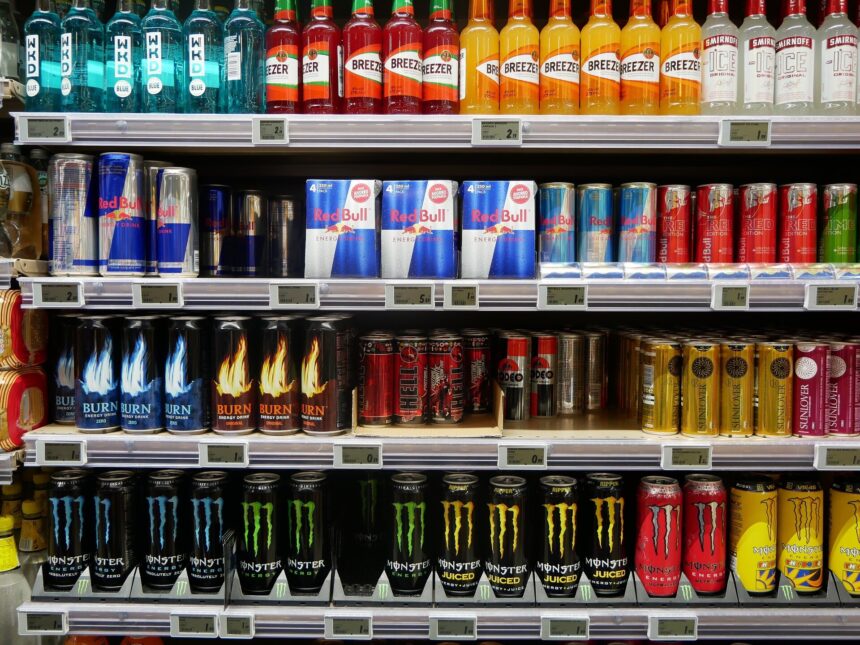
Energy drinks have become incredibly popular, especially among young adults and teenagers looking for a quick boost. You can find them everywhere, from gas stations to grocery stores. But have you ever wondered if these colorful cans could actually harm your health? Recent studies have raised serious concerns about the connection between energy drinks and stroke risk, making it crucial to understand what you’re putting into your body.
A stroke happens when blood flow to your brain gets blocked or when a blood vessel in your brain bursts. This is a medical emergency that can cause lasting damage or even death. While most people think strokes only happen to older folks, the truth is that anyone can have a stroke, and your daily habits play a huge role in your risk level.
Understanding the Link Between Energy Drinks and Stroke Risk
Energy drinks contain a powerful mix of caffeine, sugar, and other stimulants that can significantly affect your cardiovascular system. When you drink an energy drink, your heart rate increases, your blood pressure goes up, and your blood vessels can become narrower. All of these changes put extra stress on your heart and brain.
Research from 2011 and more recent studies have shown that regular consumption of energy drinks can lead to serious health problems. The risk of energy drink consumption became clearer when doctors started noticing young, otherwise healthy people showing up in emergency rooms with stroke symptoms shortly after consuming these beverages.
The main problem is that energy drinks do not just give you a gentle energy boost. They flood your system with massive amounts of caffeine, often equivalent to four or five cups of coffee in a single can. This sudden caffeine overload can cause your blood vessels to constrict rapidly, potentially leading to a stroke, especially if you already have underlying risk factors.
What is the Number One Cause of Stroke?
High blood pressure, also called hypertension, is the leading cause of strokes worldwide. When your blood pressure stays too high for too long, it damages the delicate blood vessels in your brain, making them more likely to burst or get blocked. Energy drinks can cause temporary spikes in blood pressure that, over time, can contribute to chronic hypertension.
Other major stroke causes include smoking, diabetes, high cholesterol, obesity, and physical inactivity. However, what makes energy drinks particularly concerning is that they can worsen multiple risk factors at once. The high sugar content contributes to obesity and diabetes, while the stimulants directly raise blood pressure and heart rate.
Can 80% of Strokes Really Be Prevented?
Yes, research shows that approximately 80% of strokes are preventable through lifestyle changes and proper medical care. This is great news because it means you have significant control over your stroke risk. The key is understanding which habits increase your risk and making healthier choices.
Preventing strokes involves managing your blood pressure, eating a balanced diet, exercising regularly, avoiding smoking, and limiting alcohol consumption. It also means being careful about what you drink. If you regularly consume energy drinks, you might be unknowingly increasing your stroke risk, even if you’re doing everything else right.
Making simple changes like replacing energy drinks with water, green tea, or natural fruit juices can significantly lower your risk. Your body doesn’t need artificial stimulants to function properly. Most people feel tired because they’re not getting enough sleep, not because they need more caffeine.
Are Energy Drinks Bad for Your Arteries?
Absolutely. Energy drinks can cause significant damage to your arteries through multiple mechanisms. First, the high caffeine content causes immediate vasoconstriction, which means your blood vessels become narrower. This forces your heart to work harder to pump blood through your body.
Second, the massive amount of sugar in most energy drinks contributes to inflammation throughout your body, including in your arterial walls. Over time, this inflammation can lead to atherosclerosis, a condition where fatty deposits build up inside your arteries, making them stiff and narrow.
Third, energy drinks contain various other stimulants and additives whose long-term effects on arterial health are not fully understood. Some of these substances may act as neurotoxins, affecting not just your arteries but also your brain cells directly. The combination of all these ingredients creates a perfect storm for cardiovascular damage.
Energy Drink Heart Effects and Cardiovascular Concerns
The energy drink heart effects extend far beyond just temporary increases in heart rate. Regular consumption has been linked to serious conditions including heart failure, irregular heartbeat patterns, and even sudden cardiac death in some cases.
When you drink an energy drink, your heart is forced to work much harder than normal. Your heart rate might increase by 20 to 30 beats per minute or more. For someone with an undiagnosed heart condition, this sudden stress could trigger a heart attack or stroke.
Studies have documented cases of young athletes collapsing during sports activities after consuming energy drinks. The combination of physical exertion and the stimulant effects creates dangerous strain on the cardiovascular system. This is why many medical professionals now advise against consuming energy drinks before exercise.
Is It Okay to Drink an Energy Drink Every Day?
No, drinking energy drinks daily is not recommended by health experts. While you might feel fine in the short term, regular consumption can lead to serious long-term health problems. Your body can develop tolerance to caffeine, meaning you’ll need more and more to get the same effect, creating a dangerous cycle.
Daily energy drink consumption can disrupt your natural sleep patterns, leading to chronic fatigue that makes you want to drink more energy drinks. This vicious cycle can damage your cardiovascular system, affect your mental health, and increase your stroke risk significantly.
If you currently drink energy drinks every day, consider gradually reducing your intake. Replace one energy drink per week with a healthier alternative until you’ve eliminated them completely. Your body will thank you, and you’ll likely notice improvements in your sleep quality, mood, and overall energy levels.
Too Much B12 From Energy Drinks and Other Concerns
Many energy drinks contain extremely high doses of vitamin B12 and other B vitamins. While B12 is essential for health, getting too much from energy drinks can cause problems. Your body can only absorb a certain amount of B12 at once, and the rest is wasted. More concerning is that excessive B vitamin intake has been associated with potential health risks when combined with other energy drink ingredients.
The problem isn’t just the B12 itself but how it interacts with the massive doses of caffeine, sugar, and other stimulants. This combination can overwhelm your system and contribute to the various health risks associated with energy drinks, including increased stroke risk.
Energy Drinks and Brain Health: Beyond Stroke Risk
The connection between energy drinks and brain health extends beyond just stroke risk. Research has begun exploring links between regular energy drink consumption and conditions like Alzheimer’s disease and other forms of cognitive decline.
While energy drinks and Alzheimer’s research is still in early stages, scientists are concerned about how chronic inflammation and oxidative stress from energy drink consumption might affect long-term brain health. The brain is extremely sensitive to blood flow changes and inflammation, both of which are affected by energy drink consumption.
Some ingredients in energy drinks may act as neurotoxins when consumed in large amounts or over long periods. These substances can potentially damage brain cells and affect cognitive function. Young people who consume energy drinks regularly might be setting themselves up for cognitive problems later in life.
Just as people wonder about health conditions of public figures like how is Gloria Copeland health, we should pay close attention to how our daily choices affect our own wellbeing, especially when it comes to preventable risk factors.
Are Energy Drinks Dietary Supplements?
This is an important question because the classification affects how these products are regulated. Many energy drinks are marketed as dietary supplements rather than beverages, which means they face less stringent regulation than food and drinks. This loophole allows manufacturers to include higher doses of caffeine and other stimulants than would be permitted in regular soft drinks.
The dietary supplement classification means energy drinks don’t have to follow the same safety testing and labeling requirements as other beverages. This makes it harder for consumers to understand exactly what they’re consuming and in what amounts.
What Demographic Consumes the Most Energy Drinks?
Young adults between 18 and 34 years old are the biggest consumers of energy drinks, followed by teenagers. This is particularly concerning because these age groups often underestimate health risks and may not understand the long-term consequences of regular consumption.
Males consume energy drinks more frequently than females, and consumption is higher among college students, shift workers, and people in high-stress jobs. Athletes and gym-goers also represent a significant portion of energy drink consumers, despite the potential cardiovascular risks these drinks pose during physical activity.
The popularity among young people is especially worrying because stroke risk accumulates over time. Habits formed in youth often continue into adulthood, and the damage from years of energy drink consumption might not become apparent until later in life.
Making Healthier Choices for Your Brain and Heart
If you’re concerned about energy drinks and stroke risk, the best action you can take is to stop consuming them or significantly reduce your intake. Instead, focus on natural ways to boost your energy levels.
Get adequate sleep each night, aiming for seven to nine hours. Sleep is the most effective way to restore your energy naturally. Stay hydrated by drinking plenty of water throughout the day. Dehydration often causes fatigue that people mistake for needing caffeine.
Eat a balanced diet rich in fruits, vegetables, whole grains, and lean proteins. These foods provide sustained energy without the crash that comes after energy drinks. Exercise regularly, as physical activity actually increases your energy levels over time, even though it might seem counterintuitive.
If you need caffeine, choose healthier sources like green tea or black coffee in moderation. These beverages provide caffeine without the excessive sugar and questionable additives found in energy drinks. Remember, your long-term health is far more valuable than a temporary energy boost.
Take Action Today for a Healthier Tomorrow
Understanding the connection between energy drinks and stroke risk is the first step toward protecting your health. The evidence is clear that these beverages pose significant risks to your cardiovascular and neurological health, especially with regular consumption.
At Health Guiders, we’re committed to providing you with accurate, helpful information that empowers you to make better health decisions. Your brain and heart are precious, and they deserve better than the temporary fix that energy drinks provide.
If you found this article helpful, explore more of our health guides and share this information with friends and family who might be putting themselves at risk. Small changes today can prevent serious health problems tomorrow. Visit our website regularly for more evidence-based health information that can help you live your best, healthiest life.
Frequently Asked Questions About Energy Drinks and Stroke Risk
How quickly can energy drinks affect stroke risk?
Energy drinks can affect your stroke risk immediately after consumption. Studies have shown that blood pressure and heart rate increase within 30 minutes of drinking an energy drink, and these effects can last for several hours. Some stroke cases have been reported within hours of energy drink consumption, particularly in people with underlying risk factors.
Can young people have strokes from energy drinks?
Yes, young people can and have experienced strokes after consuming energy drinks. While strokes are more common in older adults, the stimulants in energy drinks can trigger strokes in young, otherwise healthy individuals, especially when combined with other risk factors like dehydration, stress, or physical exertion.
How many energy drinks are too many?
Health experts generally recommend avoiding energy drinks altogether. However, if you do consume them, limiting intake to no more than one per week is safer than daily consumption. Even one energy drink can cause temporary health effects, and regular consumption significantly increases health risks.
What should I do if I experience symptoms after drinking an energy drink?
If you experience chest pain, severe headache, vision changes, difficulty speaking, numbness, or extreme dizziness after consuming an energy drink, seek immediate medical attention. These could be signs of a stroke or other serious cardiovascular event. Call emergency services right away, as quick treatment is critical.
Are sugar-free energy drinks safer?
Not necessarily. While sugar-free energy drinks eliminate some risks associated with high sugar intake, they still contain high levels of caffeine and other stimulants that can increase stroke risk. The artificial sweeteners used in sugar-free versions may also have their own health concerns. The safest option is to avoid energy drinks entirely.
Can energy drinks cause permanent damage?
Yes, regular energy drink consumption can cause permanent damage to your cardiovascular system and brain. Repeated stress on blood vessels can lead to lasting changes that increase stroke and heart disease risk. Some effects, like arterial damage, may be irreversible, especially if consumption continues over many years.
What are the warning signs that energy drinks are affecting my health?
Warning signs include persistent headaches, irregular heartbeat, chest discomfort, difficulty sleeping, anxiety, digestive problems, and feeling dependent on energy drinks to function normally. If you experience any of these symptoms, stop consuming energy drinks and consult a healthcare provider.
How long does it take for the body to recover after stopping energy drinks?
Most people notice improvements within a few days to weeks after stopping energy drinks. Sleep patterns typically improve first, followed by more stable energy levels throughout the day. However, if you’ve consumed energy drinks regularly for years, complete cardiovascular recovery may take several months, and some damage might be permanent.